 Save to Pinterest
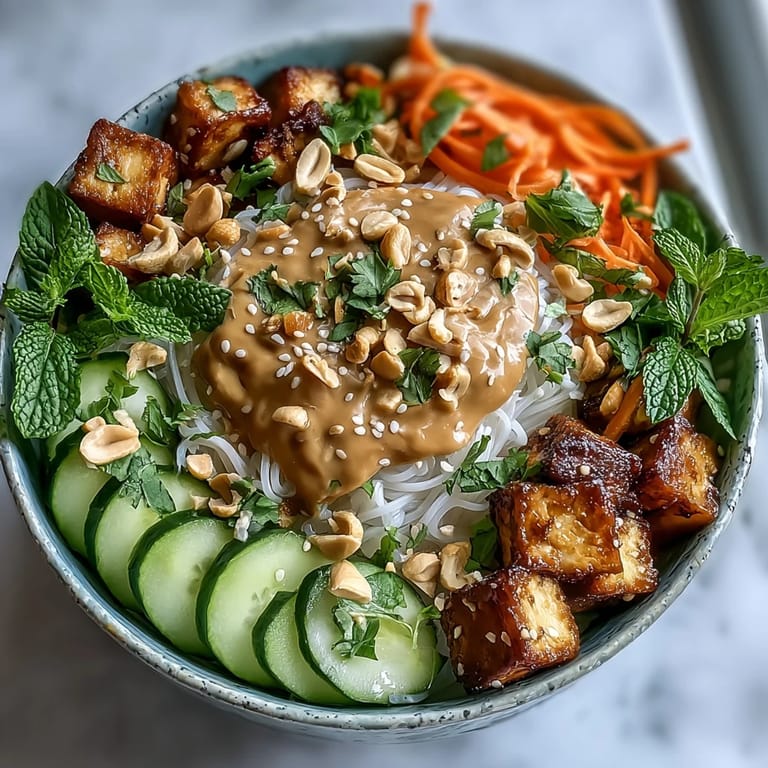
 There's something magical about deconstructing a spring roll and turning it into a bowl—it happened by accident one Thursday when I had all the ingredients prepped but couldn't be bothered with rolling. My friend walked in, saw the colorful pile of vegetables, noodles, and sauce, and said, "This is actually better." She was right. Now it's become my go-to when I want that fresh, vibrant feeling of spring rolls without the fussy rolling process.
I made this for my coworkers during a potluck, and watching them dig into their own bowls—mixing and adjusting as they went—was when I realized this dish hits differently than traditional spring rolls. There's something interactive about it, almost meditative, the way people slow down to arrange their vegetables and drizzle their sauce.
Ingredients
- Rice vermicelli noodles: They're delicate but sturdy enough to hold up to tossing, and that initial sesame oil coating keeps them from clumping into a sad noodle brick.
- Carrots and cucumber: Julienne them thin so they have that satisfying snap when you bite down—thick cuts will be limp and forgettable.
- Red bell pepper: The sweetness balances the savory sauce, and red ones have a softer texture than green, which matters here.
- Red cabbage: It stays crisp longer than green cabbage and adds a beautiful color contrast that makes the bowl feel restaurant-worthy.
- Bean sprouts: Fresh and raw only—cooked ones lose their entire personality and just become mushy.
- Spring onions: Use both the white and green parts; the white adds a subtle bite while the green keeps things fresh and grassy.
- Cilantro and mint: These aren't garnishes here—they're core to the flavor profile, so don't skip them or use dried herbs.
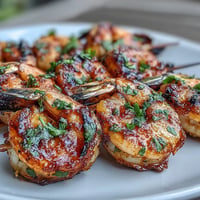
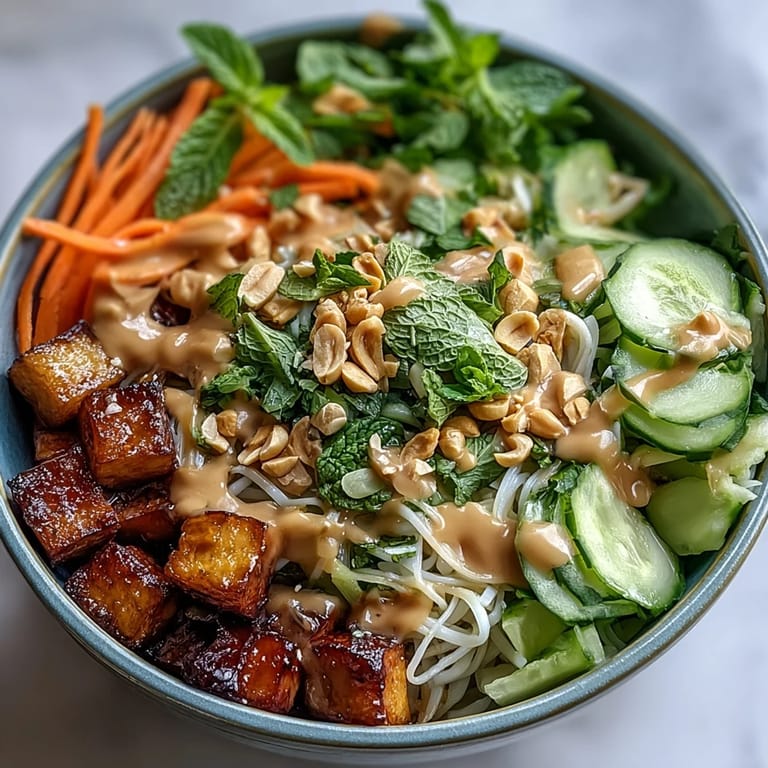
- Tofu or shrimp: Press your tofu thoroughly before cooking so it actually browns and crisps instead of steaming, and make sure your shrimp are chilled before serving.
- Creamy peanut butter: Not the natural kind with oil separation—that will throw off your sauce consistency.
- Soy sauce: Use tamari if you need gluten-free, and don't skimp on quality because you can taste the difference in the final sauce.
- Rice vinegar: The acid cuts through the richness and keeps the sauce from tasting one-note.
- Maple syrup or honey: A touch of sweetness rounds out the peanut sauce and prevents it from being aggressively salty or bitter.
- Sesame oil: A little goes a long way—this stuff is flavor-intense and will overpower the dish if you're heavy-handed.
- Garlic and ginger: Fresh only; the bottled versions taste like sad regret compared to the real thing.
Tired of Takeout? 🥡
Get 10 meals you can make faster than delivery arrives. Seriously.
One email. No spam. Unsubscribe anytime.
Instructions
- Cook and cool the noodles:
- Follow the package timing exactly—overcooked noodles turn into mush, and undercooked ones stay tough and unpleasant. After draining and rinsing under cold water, that sesame oil toss is essential; it creates a thin barrier that keeps them from sticking together into one dense clump.
- Prep your vegetables separately:
- Keep them in their own bowls until assembly so each one stays crisp and distinct. This also means you can prep everything ahead and just toss the bowls together when you're ready to eat.
- Cook your protein with intention:
- For tofu, make sure it's patted completely dry before it hits the oil—moisture is the enemy of crispiness. For shrimp, if they're not already cooked, a quick pan-fry over medium-high heat takes just a couple of minutes; overcook them even slightly and they become rubbery and sad.
- Build your peanut sauce:
- Whisk everything together first, then add water gradually while tasting—you want it to coat a spoon without being soup. If it gets too thin, add more peanut butter; if it's too thick, keep adding water one tablespoon at a time.
- Assemble with care:
- Divide noodles first, then arrange vegetables in piles or rows rather than mixing them all together—it looks better and lets people choose what they want in each bite. Drizzle the sauce just before eating so everything stays crisp.
 Save to Pinterest
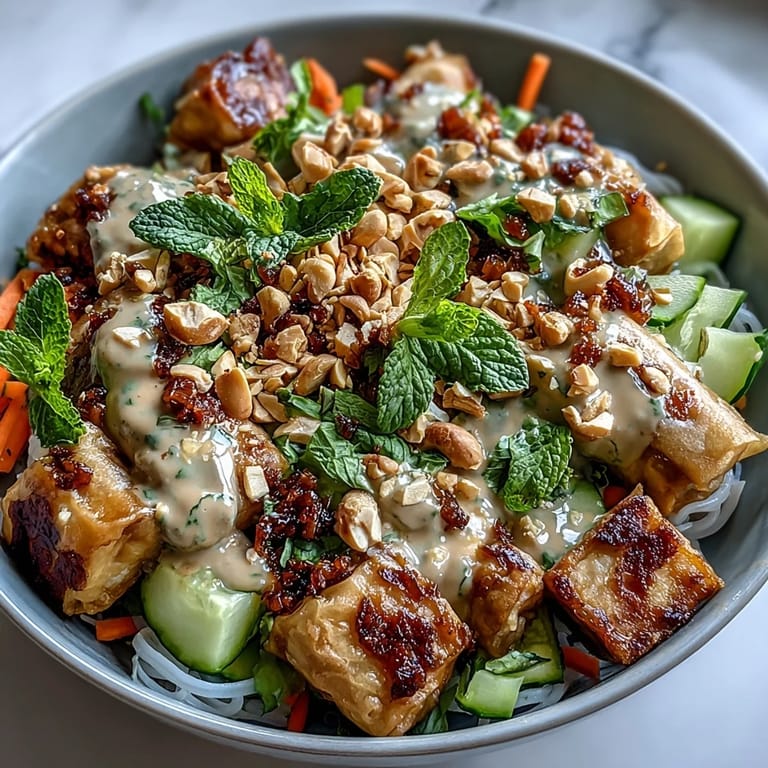
 The best part about this bowl? It's when someone who normally hates vegetables sees themselves actually enjoying a whole pile of them, simply because they're cut right, arranged beautifully, and dressed in that incredible peanut sauce. Food doesn't have to be complicated to be memorable.
Why This Bowl Works Better Than Rolled Spring Rolls
Spring rolls are delicious but they're also fiddly and time-consuming—you're wrestling with rice paper, everything gets wet, and half of it falls apart before you eat it anyway. A deconstructed bowl gives you all the same flavors and textures with none of the frustration, and honestly, you taste each component more clearly when they're not all stuck together in that wrapper.
Making This Dish Your Own
The beauty of a bowl is that it's infinitely customizable—if your farmers market is bursting with radishes, slice them thin and add them. If you love heat, drizzle in some sriracha or add fresh chilis. I've made versions with grilled chicken, crispy tempeh, and even hard-boiled eggs, and they all work perfectly.
Timing and Make-Ahead Tips
You can prep everything up to 4 hours ahead—vegetables in their bowls, noodles tossed with oil, protein cooked and chilled, sauce made and stored. This is the kind of dish that actually gets better when you're organized because everything stays cold and crisp and nothing gets soggy or warm.
- Cook your noodles the day before if you want to save time on assembly day.
- If you're meal prepping, divide everything into containers but keep the sauce separate until you're ready to eat.
- The peanut sauce keeps for three days refrigerated, so you could make a double batch and use it on grain bowls, sandwiches, or roasted vegetables.
 Save to Pinterest
 This bowl has become my answer to the question "What should we eat tonight?" because it's fast, it's healthy, and somehow it always feels like something special. Make it once, and you'll be making it constantly.
Recipe FAQs
- → Can I substitute the protein?
Yes, you can use tofu, shrimp, or grilled chicken depending on your preference for vegetarian, pescatarian, or meat options.
- → How do I make it gluten-free?
Use tamari instead of regular soy sauce to ensure the bowl remains gluten-free.
- → What is the best way to prepare noodles?
Cook rice vermicelli according to package directions, rinse under cold water, and toss with sesame oil to prevent sticking.
- → Can I add spice to the sauce?
Yes, incorporate sriracha or fresh chili slices to the peanut sauce for a spicy kick.
- → What garnishes enhance this bowl?
Roasted peanuts, toasted sesame seeds, and lime wedges add crunch and brightness to balance flavors.