 Save to Pinterest
 Last summer, my neighbor stopped by with a basket of blueberries from her garden, and I found myself standing at the kitchen counter wondering how to turn them into something special for Sunday brunch. The tartness of those berries sparked an idea—what if I paired them with bright lemon and the natural tang of sourdough? That casserole came together so effortlessly, and the moment it emerged from the oven, golden and puffed, I knew I'd stumbled onto something people would ask for again and again.
I made this for a small gathering on a crisp October morning, and what struck me most wasn't the compliments (though there were plenty) but watching someone take a second bite and pause, genuinely tasting how the lemon zest cuts through the richness without overpowering anything. That quiet moment of recognition reminded me why home cooking matters.
Ingredients
- Sourdough bread, cut into 1-inch cubes (1 loaf, about 400 g): Day-old bread is your secret weapon here—it's drier and soaks up custard far better than fresh bread, which tends to get mushy.
- Fresh blueberries (2 cups): Their tartness is essential to balance the creamy custard; frozen berries work beautifully too, and honestly, they sometimes release more juice, intensifying the flavor.
- Lemon zest (from 1 large lemon): This is where the brightness lives, so don't skip it or reduce it—zest generously and taste as you go.
- Large eggs (6): They're the binding agent that transforms milk and cream into a silky custard, so room temperature eggs whisk in more smoothly.
- Whole milk (2 cups): The everyday richness that keeps this from feeling too heavy.
- Heavy cream (3/4 cup): This adds luxury and helps the custard set properly, creating that tender, almost custardy texture rather than rubbery.
- Granulated sugar (1/2 cup): Sweet enough to balance the lemon without drowning the tart flavors you're building.
- Pure vanilla extract (2 tsp): Use good vanilla; cheap extracts can taste sharp and hollow against these delicate flavors.
- Ground cinnamon (1/2 tsp): Just enough warmth to tie everything together without announcing itself loudly.
- Fine sea salt (1/4 tsp): This tiny pinch amplifies all the other flavors, making everything taste more like itself.
- Lemon juice (from 1 lemon): The liquid counterpart to the zest, brightening the custard from within.
- Sliced almonds (1/2 cup, optional): They add textural contrast and a gentle nuttiness that catches the light when toasted.
- Turbinado or coarse sugar (2 tbsp, optional): Creates a subtle crunch on top that breaks beautifully when you take your first bite.
Tired of Takeout? 🥡
Get 10 meals you can make faster than delivery arrives. Seriously.
One email. No spam. Unsubscribe anytime.
Instructions
- Prepare Your Vessel:
- Butter or spray your 9x13-inch baking dish generously, paying attention to the corners where bread tends to stick. A well-greased dish makes serving so much easier and ensures those golden edges stay attached to the casserole rather than the pan.
- Layer with Intention:
- Spread half your sourdough cubes across the bottom, then scatter half the blueberries and half the lemon zest over them. Repeat with remaining bread, berries, and zest in another layer. This distribution ensures every bite gets fruit and brightness.
- Whisk the Custard Base:
- In a large bowl, combine eggs, milk, cream, granulated sugar, vanilla, cinnamon, salt, and lemon juice, whisking until the mixture is smooth and the sugar dissolves completely. If you feel tiny grains, keep whisking—this takes just a minute longer and makes a real difference in texture.
- Soak the Bread:
- Pour your custard evenly over the bread and fruit, then press down gently with the back of a wooden spoon so the bread begins absorbing liquid. Don't mash it—just encourage contact between bread and custard.
- Refrigerate for Flavor Development:
- Cover and refrigerate for at least 30 minutes, though overnight is genuinely better; the bread becomes saturated and the flavors meld into something deeper than they start out. I often assemble this the night before, which transforms it from a project into convenience.
- Heat Your Oven:
- Preheat to 350°F (175°C) about 15 minutes before baking so the oven is fully ready when your casserole goes in.
- Add Optional Crunch:
- If using almonds and turbinado sugar, sprinkle them over the top now for golden toasted flavor and textural contrast. Skip this step if you prefer a cleaner presentation—the casserole is delicious either way.
- Bake Until Golden:
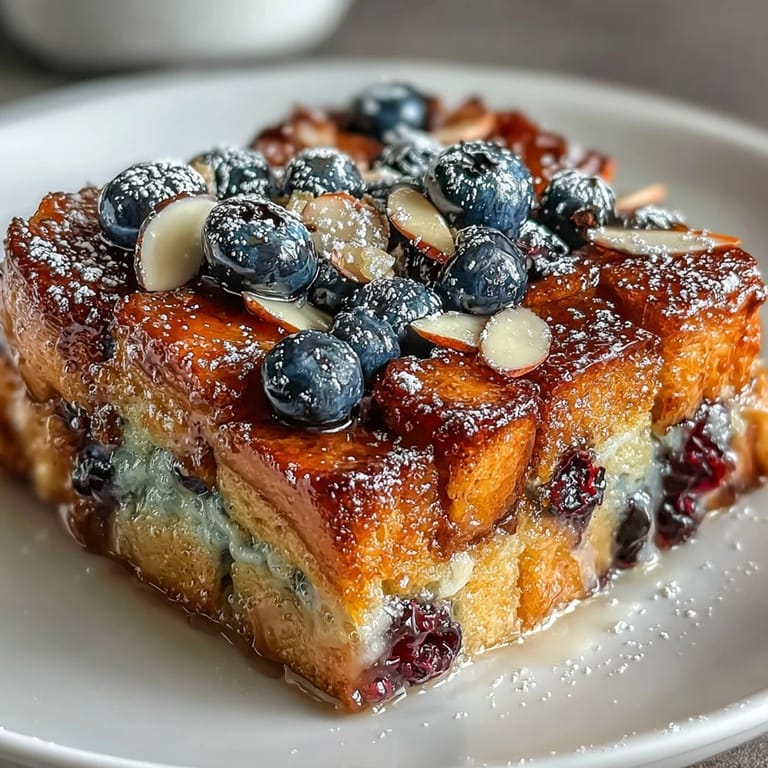
- Bake uncovered for 45 to 50 minutes, until the top is puffed and golden and a knife inserted into the center comes out clean with just the faintest custard clinging to it. A slightly jiggly center will set as it cools; overdone casserole becomes dense and rubbery.
- Rest and Serve:
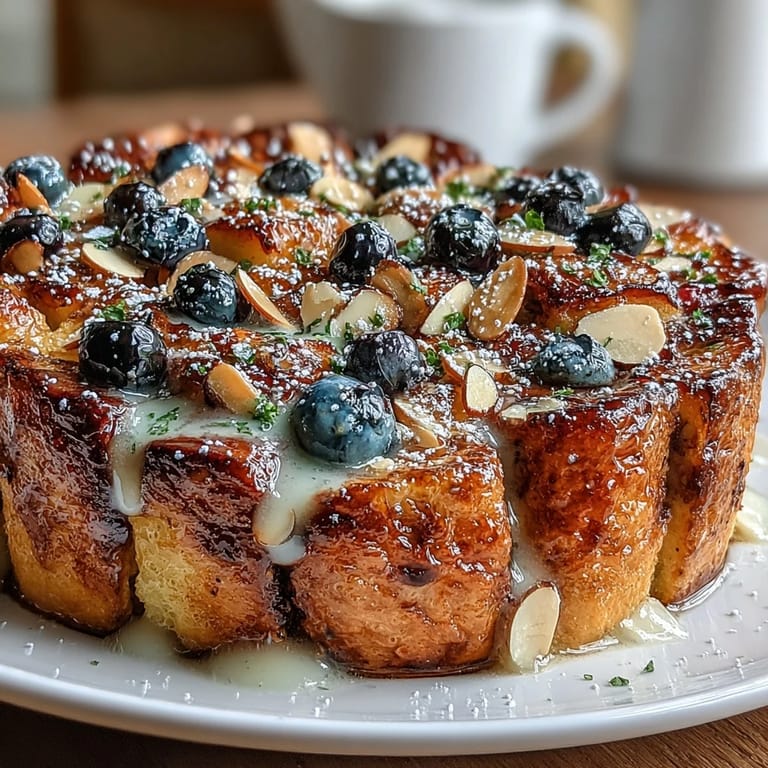
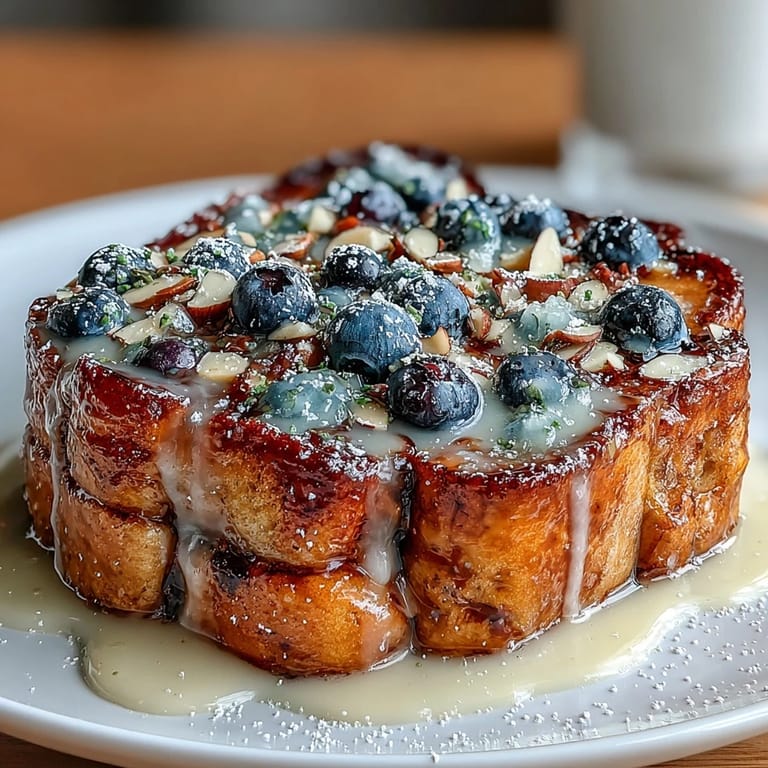
- Let the casserole rest for 10 minutes after baking—this gives the structure time to set so each serving holds together beautifully. Dust generously with powdered sugar and serve warm with maple syrup or lemon curd drizzled over top.
 Save to Pinterest
 A few weeks ago, I watched a friend serve this to her newly merged blended family, all eight of them chattering around the table, reaching for seconds without hesitation. That's when I realized this dish does what the best breakfast foods do—it brings people to the table and keeps them there a little longer than they'd planned to stay.
Why Sourdough Makes the Difference
Regular sandwich bread would soak up custard too quickly and turn to mush, but sourdough has structure. Its open crumb and slight tartness mean it absorbs the custard gradually, creating pockets of custardy richness throughout while maintaining integrity. The tang also echoes the lemon without competing with it, creating depth rather than confusion.
The Lemon and Blueberry Balance
Blueberries alone would make this too sweet and one-dimensional, but lemon zest and juice cut through that sweetness with brightness and complexity. The trick is using both zest and juice—zest provides aromatic intensity while juice adds actual acid that your palate registers as cleanliness. Together, they elevate this from a simple custard casserole into something you actually crave.
Timing and Temperature Considerations
Overnight refrigeration isn't just convenient—it actually improves the dish by allowing the bread to fully hydrate and flavors to deepen. When you pull it from the fridge the next morning, the casserole bakes more evenly because everything is at a stable temperature. This makes your job easier and the result more predictable.
- Room temperature eggs whisk into the custard more smoothly and create a silkier texture than cold eggs straight from the fridge.
- If baking straight from the refrigerator, add 5 to 10 minutes to your baking time and watch the top carefully so it doesn't brown too quickly.
- The casserole will continue to cook slightly as it rests, so pull it from the oven when it's set but still has the tiniest jiggle in the very center.
 Save to Pinterest
 This casserole has become my answer to the question that keeps me up the night before a brunch: what can I make that tastes special but doesn't demand my attention in the morning? That's the gift of it, really.
Recipe FAQs
- → Can I use frozen blueberries instead of fresh?
Yes, frozen blueberries can be used directly without thawing; they add a burst of flavor and moisture during baking.
- → What bread works best for this dish?
Sourdough bread is ideal due to its sturdy texture and tangy flavor, which holds the custard well and complements the citrus notes.
- → How can I make it dairy-free?
Substitute whole milk and heavy cream with almond or oat milk and coconut cream for a dairy-free alternative.
- → Is it necessary to refrigerate before baking?
Refrigerating for at least 30 minutes helps the bread absorb the custard fully, enhancing texture and flavor.
- → Can this be prepared ahead for gatherings?
Yes, assembling it the night before and baking the next morning makes it a convenient option for entertaining.
- → What toppings can enhance this dish?
Sliced almonds and turbinado sugar add a delightful crunch, while serving with maple syrup or lemon curd brings complementary sweetness.