 Save to Pinterest
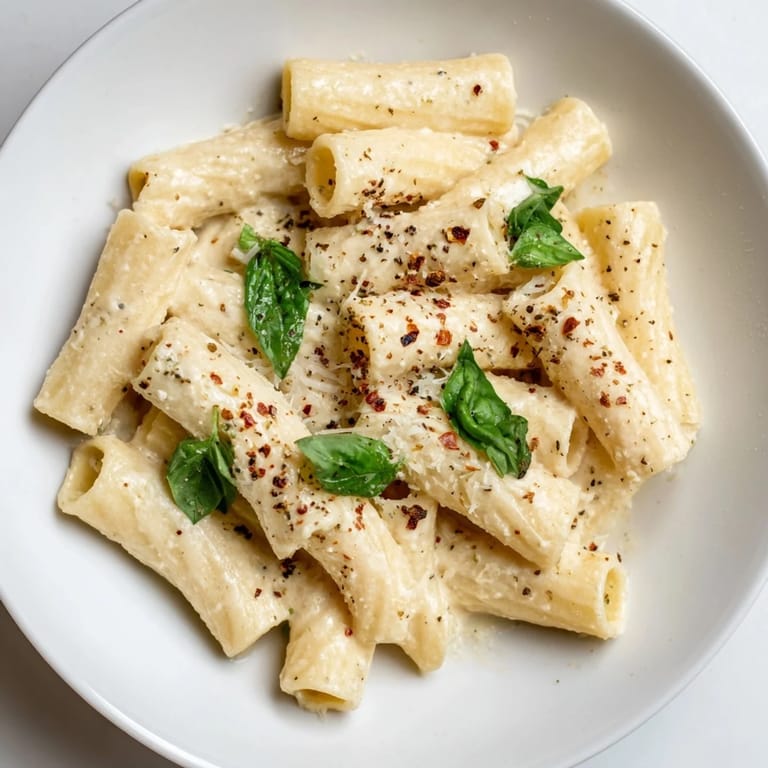
 I discovered this recipe scrolling through my phone at midnight, half-asleep, when a video of creamy cottage cheese pasta stopped me cold. The sauce looked impossibly smooth, nothing like the grainy cottage cheese I'd eaten for years. I had to try it that week, and honestly, I made it three times before I could believe it was actually that simple. One blender, ten minutes, and suddenly I had restaurant-quality pasta that packed more protein than I expected. It became my go-to when I wanted something indulgent but didn't want to feel guilty afterward.
I made this for my roommate on a Wednesday when she complained about not having anything good to eat. She watched me blend cottage cheese with skepticism written all over her face, arms crossed like I was about to serve her disappointment on a plate. When she tasted it, she actually paused mid-bite, then asked for the recipe. Now it's her Tuesday night ritual, and she's made it so many times that she doesn't even measure anymore.
Ingredients
- Pasta (180g, about 6 oz): Use penne, rigatoni, or spaghetti—whatever shape you like best. The ridges on penne and rigatoni actually catch and hold the sauce better, which matters more than you'd think.
- Cottage cheese (200g, about 7 oz): This is the star, so don't skip it or swap it thoughtlessly. Full-fat versions blend smoother, but low-fat works fine if that's what you have; just add an extra splash of milk.
- Parmesan cheese (30g, freshly grated): Pre-grated falls apart too fast in the blender. Grate it fresh—your food processor or a microplane takes thirty seconds and changes everything.
- Milk (2 tbsp, plus more): This is your secret weapon for creamy texture. Start with two tablespoons; you'll likely add more as you cook.
- Garlic (1 clove, minced): One clove is mild and lets the cheese shine. If you're a garlic person, mince it fine so it blends completely smooth.
- Extra virgin olive oil (1 tbsp): The good stuff actually matters here since there aren't many other flavors to hide behind.
- Black pepper (½ tsp, freshly ground): Freshly ground tastes alive compared to the stuff from a tin; use it.
- Salt (¼ tsp, or to taste): Taste as you go—both the cottage cheese and Parmesan add their own salt.
- Dried Italian herbs (½ tsp, optional): This is optional but adds a subtle earthiness that feels intentional.
- Fresh basil, extra Parmesan, red pepper flakes: These are your finishing touches and make the dish feel complete.
Tired of Takeout? 🥡
Get 10 meals you can make faster than delivery arrives. Seriously.
One email. No spam. Unsubscribe anytime.
Instructions
- Get the water salted and the pasta started:
- Fill a large pot with water, add a generous pinch of salt (it should taste like the sea), and bring it to a rolling boil. This takes longer than you think, so don't wait around staring at it. Once it's boiling, add your pasta and stir it for the first minute so nothing sticks together. Set a timer for whatever the package says, but start checking a minute early—you want it tender but still with a tiny bit of resistance when you bite it.
- Blend the sauce while pasta cooks:
- Grab your blender or food processor and add the cottage cheese, Parmesan, milk, minced garlic, olive oil, black pepper, salt, and herbs if you're using them. Blend it all together until it's completely smooth and silky—there should be zero graininess. This takes about one to two minutes of blending; don't rush it or you'll have little lumps hiding in there.
- Drain and save the pasta water:
- When your pasta is done, set a colander in the sink and pour it through, but before you forget, scoop out about half a cup of that starchy cooking water into a cup or bowl. This liquid is liquid gold for making your sauce silky, so don't pour it down the drain.
- Warm the sauce gently:
- Pour your blended sauce into a large skillet and set it to low heat. Stir it constantly for about two to three minutes until it's warm throughout but not simmering or bubbling—high heat will break the sauce and make it weird. If it looks too thick, add a splash of that pasta water you saved and stir until it's the consistency you want.
- Toss it all together:
- Add your drained pasta to the skillet and toss everything together until every piece of pasta is coated in that creamy sauce. If it still feels thick, add more pasta water a little bit at a time. You want it to feel luxurious, not stiff.
- Finish and serve:
- Divide the pasta between bowls and top each one with torn fresh basil, a shower of extra Parmesan, and red pepper flakes if you like heat. Serve it immediately while it's still warm and the sauce is at its creamiest.
 Save to Pinterest
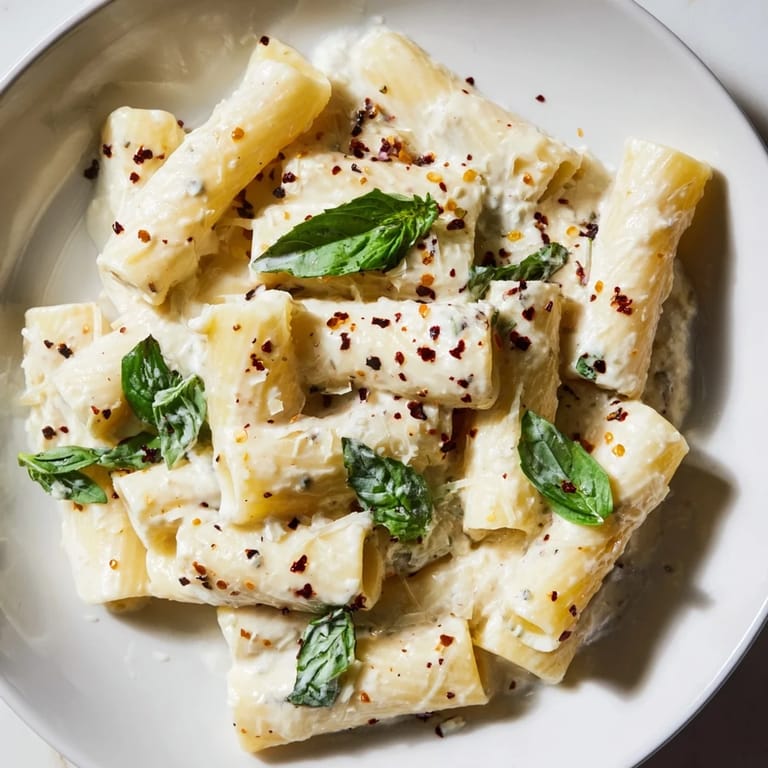
 I'll never forget my mom tasting this for the first time and genuinely asking if it was homemade because she couldn't place what she was eating. It was the best compliment—not because it was fancy, but because it surprised her in a good way. That's when I realized this recipe does something special: it takes something people usually avoid (cottage cheese) and turns it into something they actually crave.
The Secret to Silky Sauce
The texture game is everything with this dish. I learned this the hard way after my first attempt came out too thick and I had to stand there adding milk one tablespoon at a time like I was performing surgery. Now I know: the pasta water is your best friend because it has exactly the right starch to thin the sauce without diluting the flavor like regular water does. Start with the sauce a little thicker than you want it, then add pasta water slowly while tossing everything together. You can always add more, but you can't take it back.
Ways to Make It Your Own
Once you've made this basic version a few times, you start seeing endless possibilities. I've thrown in everything from crispy bacon bits to sautéed mushrooms to cherry tomatoes, and it all works because the sauce is sturdy enough to carry extra flavors without falling apart. Some nights I add spinach or roasted broccoli for vegetables, other times I top it with breadcrumbs for texture. The beauty is that you can keep it simple or dress it up depending on your mood and what's in your kitchen.
Timing and Prep Notes
This whole thing comes together in about twenty-five minutes from start to serving, which is why it's become my go-to when I'm hungry and don't want to wait. The actual active time is even shorter—most of it is just waiting for water to boil and pasta to cook. I usually prep my ingredients while the water heats up so that when it's time to blend, I'm just grabbing things from the counter. What makes this recipe feel like more effort than it is, is that there's so much flavor and protein packed into something this quick and simple.
- If you need it faster, use fresh pasta instead of dried—it cooks in three minutes and saves you ten minutes right there.
- Full-fat cottage cheese blends smoother and tastes richer, but don't feel bad using low-fat if that's your preference.
- This tastes best eaten immediately, but you can store leftovers in the fridge for two days and reheat gently with a splash of milk.
 Save to Pinterest
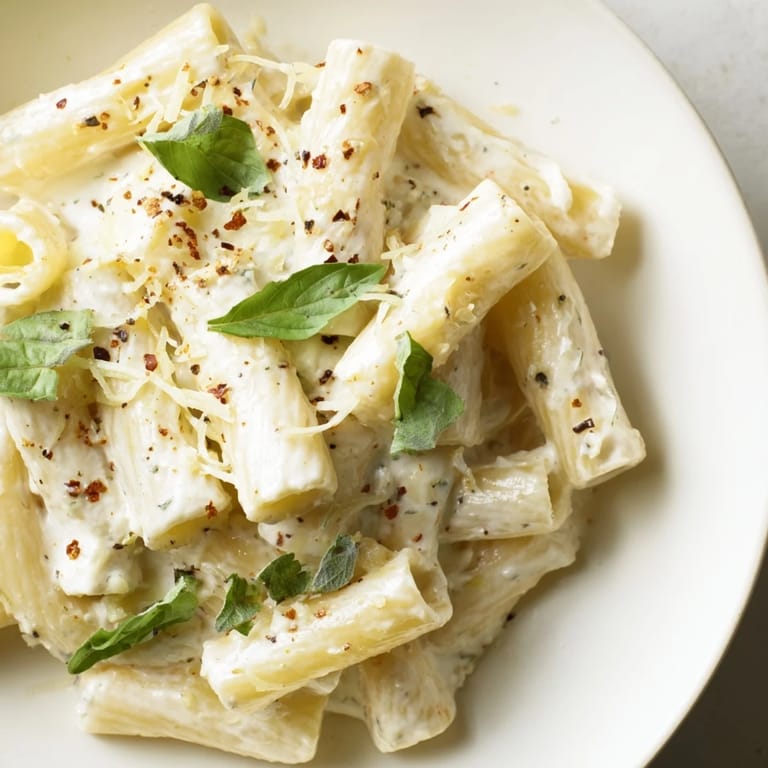
 This recipe proved to me that the best dishes don't have to be complicated or time-consuming. Sometimes the most memorable meals are the ones that feel effortless and taste like you actually know what you're doing in the kitchen. Make it once, make it twice, and before you know it, you'll have it memorized.
Recipe FAQs
- → Can I use different types of pasta for this dish?
Yes, dried penne, rigatoni, spaghetti, or your preferred pasta shapes work well to hold the creamy sauce.
- → How can I make the sauce smoother if it’s too thick?
Add reserved pasta cooking water or a splash of milk gradually while warming to attain a silky consistency.
- → Is it possible to add protein to this dish?
For extra protein, incorporate cooked chicken or sautéed mushrooms tossed with the pasta and sauce.
- → What herbs complement the cottage cheese sauce best?
Dried Italian herbs blend seamlessly with garlic and Parmesan, while fresh basil adds aromatic freshness as a garnish.
- → Can I substitute cottage cheese with a milder cheese?
Ricotta can be used instead for a softer, milder sauce while maintaining creaminess and flavor.