 Save to Pinterest
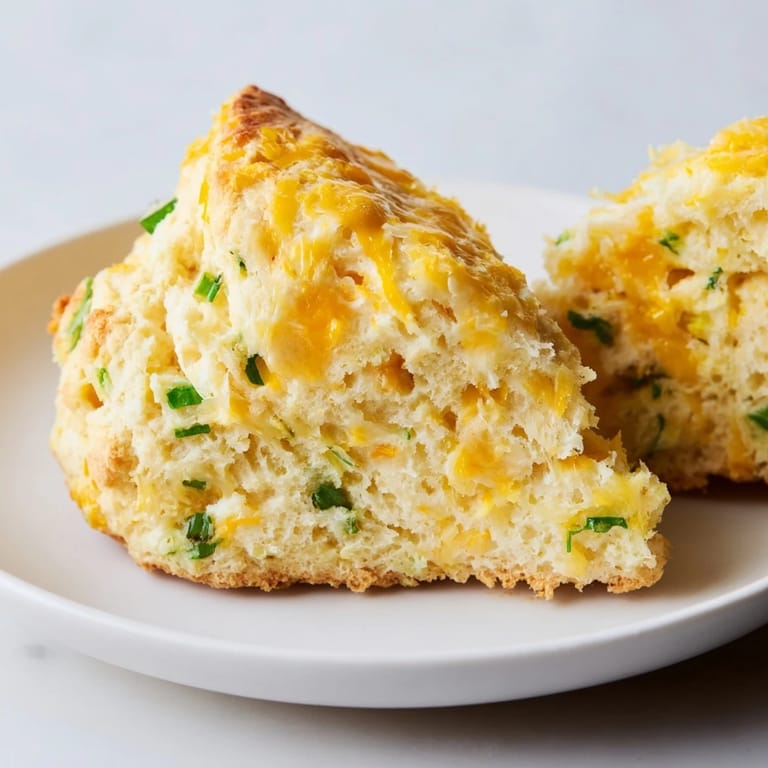
 I started making these scones on a gray Saturday morning when I had a block of sharp cheddar that needed using and a bunch of chives from the farmers market still sitting in the crisper. I wanted something warm and savory, not sweet, and I didn't want to fuss with yeast. The kitchen smelled like butter and cheese within twenty minutes, and I've been hooked ever since.
The first time I brought a batch to a brunch potluck, they disappeared before the quiche even got touched. Someone asked if I'd used a family recipe, and I laughed because I'd only been making them for a few weeks. But that's the thing about a good scone: it feels like it's been around forever, even when it hasn't.
Ingredients
- All-purpose flour: The backbone of the scone, giving it structure without making it tough if you don't overwork the dough.
- Baking powder and baking soda: This duo creates the rise and that perfect crumbly-but-tender texture you want in a scone.
- Cold unsalted butter: Keeping it cold is the secret to flaky layers, so cube it and toss it back in the fridge if your kitchen is warm.
- Sharp cheddar cheese: Grate it yourself if you can; pre-shredded stuff has coatings that don't melt as beautifully.
- Buttermilk: Adds tang and tenderness, and if you don't have it, the milk and lemon juice trick works just fine.
- Fresh chives: They bring a mild oniony brightness that balances the richness of the cheese and butter.
- Heavy cream: Brushing the tops before baking gives them a gorgeous golden shine.
Tired of Takeout? 🥡
Get 10 meals you can make faster than delivery arrives. Seriously.
One email. No spam. Unsubscribe anytime.
Instructions
- Prep your oven and pan:
- Preheat to 400°F and line a baking sheet with parchment so nothing sticks. This also makes cleanup a breeze.
- Mix the dry ingredients:
- Whisk together the flour, baking powder, baking soda, salt, and black pepper in a large bowl. Make sure it's evenly combined so every scone rises the same way.
- Cut in the butter:
- Add the cold cubed butter and work it into the flour with a pastry cutter or your fingertips until it looks like coarse crumbs with some pea-sized pieces. Those little butter pockets are what make the scones flaky.
- Fold in the cheddar and chives:
- Stir them gently into the butter-flour mixture so they're evenly distributed. You want cheese and chive in every wedge.
- Add the wet ingredients:
- Whisk the buttermilk and egg together, then pour it into the bowl and stir gently until the dough just comes together. It's okay if it looks a little shaggy; don't overwork it or the scones will be dense.
- Shape the dough:
- Turn it out onto a floured surface and pat it into a round about an inch thick. Use your hands, not a rolling pin, to keep it light.
- Cut into wedges:
- Slice the round into 8 triangles with a sharp knife or bench scraper. Space them out on the baking sheet so they have room to puff up.
- Brush and top:
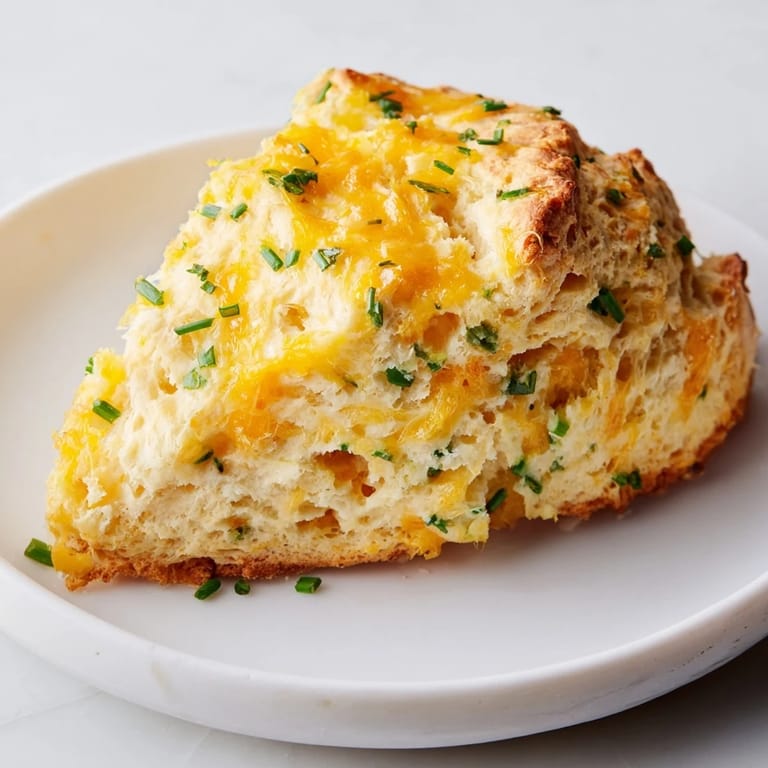
- Brush the tops with heavy cream and sprinkle on a little extra cheddar if you want that crispy cheese crown. It's worth it.
- Bake until golden:
- Slide them into the oven for 16 to 18 minutes, until the tops are golden brown and the edges look crisp. Let them cool for a few minutes before digging in.
 Save to Pinterest
 There's something about pulling a tray of these out of the oven and watching the steam rise off the tops that makes the whole house feel more alive. I've served them to guests who don't even like scones, and they always go back for seconds. It's the kind of recipe that turns a regular morning into something worth remembering.
How to Store and Reheat
Let them cool completely, then keep them in an airtight container at room temperature for up to two days. If you want to freeze them, wrap each scone individually in plastic wrap and store in a freezer bag for up to three months. Reheat frozen scones in a 300°F oven for about 10 minutes until warmed through and the edges crisp up again.
Ways to Switch It Up
You can swap the cheddar for Gruyère or aged Gouda if you want a nuttier flavor, or toss in a handful of crumbled cooked bacon for a smokier twist. A pinch of cayenne or smoked paprika in the dry ingredients adds a subtle kick that works beautifully with the cheese. I've also made these with dill instead of chives when that's what I had on hand, and they were just as good.
Serving Suggestions
These scones are perfect on their own, but they're even better with a smear of soft butter or a spoonful of crème fraîche. I love them alongside scrambled eggs and a handful of greens for breakfast, or split and filled with thin slices of ham and a dab of mustard for a quick lunch. They also make a great companion to a bowl of tomato soup or roasted vegetable chowder.
- Serve warm with whipped herb butter for an easy appetizer.
- Pack them in a lunchbox with cheese and fruit for a savory picnic treat.
- Toast day-old scones and top with a fried egg for a quick breakfast sandwich.
 Save to Pinterest
 These scones have become my go-to whenever I want something comforting and satisfying without a lot of effort. I hope they make your kitchen feel as good as they've made mine.
Recipe FAQs
- → What makes the scones tender and flaky?
Using cold, cubed butter cut into the dry ingredients creates a crumbly texture that bakes into tender, flaky layers.
- → Can I substitute buttermilk in this preparation?
Yes, you can use milk combined with lemon juice or vinegar to mimic the acidity of buttermilk, helping with texture and rise.
- → How do fresh chives affect the flavor?
Fresh chives add a mild onion-like aroma and a burst of freshness that complements the sharp cheddar’s richness.
- → Why brush the tops with cream before baking?
Brushing with cream helps develop a shiny, golden crust and adds subtle richness to the finished scones.
- → What are some serving suggestions?
Serve warm with whipped butter, crème fraîche, or enjoy as a savory snack with tea or coffee.