 Save to Pinterest
 There's something almost magical about turning a handful of green vegetables into a soup that tastes like springtime in a bowl. I discovered this recipe on a Tuesday afternoon when my fridge was overflowing with zucchini and I was desperate to use them before they wilted. The first spoonful—bright, herbaceous, with that unexpected kiss of lemon—made me realize that sometimes the simplest ingredients, treated with a little care, become something genuinely nourishing. Now I make it whenever I need to feel lighter or when friends drop by looking for something that actually tastes as good as it is for you.
I remember serving this to my neighbor Maria on a warm spring evening when she mentioned feeling sluggish, and watching her expression shift from polite interest to genuine delight after that first spoonful made my whole week. She asked for the recipe immediately, and I loved that she didn't make it sound like a chore—she genuinely wanted to replicate the experience. That's when I knew this wasn't just a detox soup; it was something people actually wanted to eat.
Ingredients
- Fresh zucchini: Use medium ones—they're tender without being watery, and their mild flavor lets the other greens shine through without overpowering.
- Green peas: Frozen work beautifully here and are often fresher than fresh since they're picked and frozen at their peak; don't thaw them beforehand.
- Broccoli florets: They add earthiness and body, and they break down into the soup creating natural creaminess without any cream.
- Baby spinach: Add it at the very end so it stays vibrant rather than turning dark and heavy.
- Leek: This is where the subtle sweetness comes from—it's gentler than onion and makes the soup feel refined.
- Celery stalk: One stalk is enough to add that whisper of umami without dominating the green vegetable chorus.
- Potato: A small dice helps thicken the soup naturally when blended, eliminating the need for cream.
- Garlic cloves: Keep it to two—enough to add warmth without letting the garlic announce itself too loudly.
- Extra virgin olive oil: Use your good oil here since it matters when it's drizzled over the finished soup.
- Low-sodium vegetable broth: This lets you control the salt and tastes fresher than the regular kind.
- Sea salt and black pepper: Taste as you go; sea salt dissolves more evenly than table salt.
- Ground cumin: Just a whisper of it—it ties everything together without being obvious.
- Lemon zest and juice: This is what transforms it from good to memorable; don't skip either one.
- Fresh parsley and mint: Mint is optional but recommended—it's the unexpected note that makes people wonder what makes this soup taste so alive.
Tired of Takeout? 🥡
Get 10 meals you can make faster than delivery arrives. Seriously.
One email. No spam. Unsubscribe anytime.
Instructions
- Wake up your aromatics:
- Heat the olive oil in a large pot over medium heat and add the leek, celery, and garlic. You'll know they're ready when the kitchen smells herbaceous and you can see the vegetables just beginning to soften at the edges—this usually takes 3 to 4 minutes. Don't let them brown; you want them translucent and fragrant.
- Build the vegetable foundation:
- Toss in the potato, zucchini, broccoli, and peas, stirring so they get coated in the oil. Let them cook together for about 2 minutes until they start to release their moisture and smell fresh and green.
- Simmer into tenderness:
- Pour in the vegetable broth, season with salt, pepper, and cumin, then bring everything to a boil. Once it's bubbling, turn the heat down to a gentle simmer, cover the pot, and let it cook for 12 to 15 minutes until every vegetable is completely tender when you test with a fork.
- Wilt the final touch of green:
- Add the spinach and cook uncovered for just 2 minutes, stirring occasionally until it surrenders into the soup. This keeps it bright rather than dark.
- Transform into silk:
- Remove from heat and blend the soup until it's smooth and creamy—if you're using an immersion blender, work it in long, gentle strokes from bottom to top. If using a regular blender, work in batches so you don't overflow, and be careful because it's hot.
- Finish with brightness:
- Stir in the lemon zest, lemon juice, parsley, and mint if you're using it. Taste it now and adjust the salt or lemon to your preference; this is your moment to make it exactly right.
- Serve with intention:
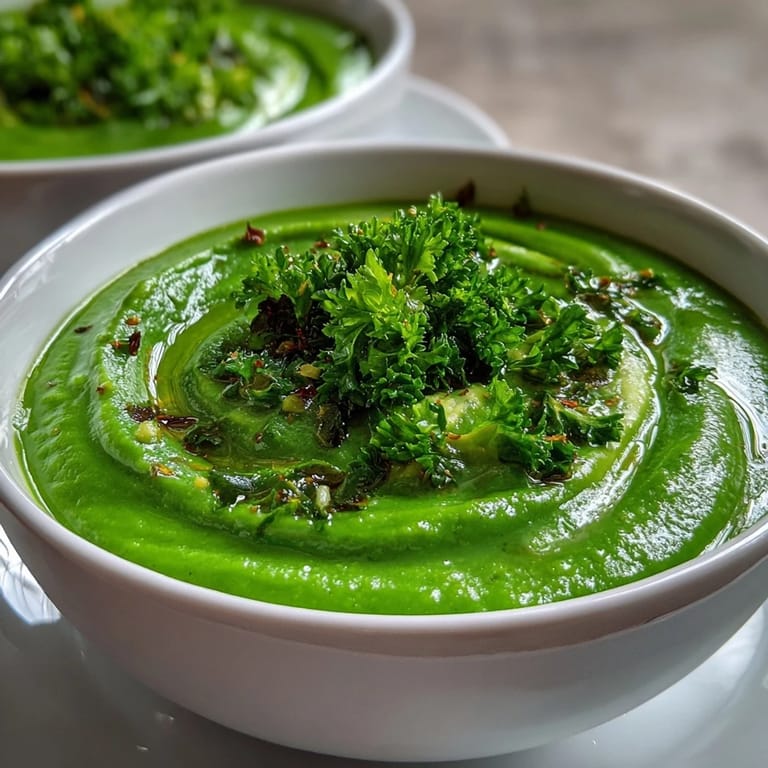
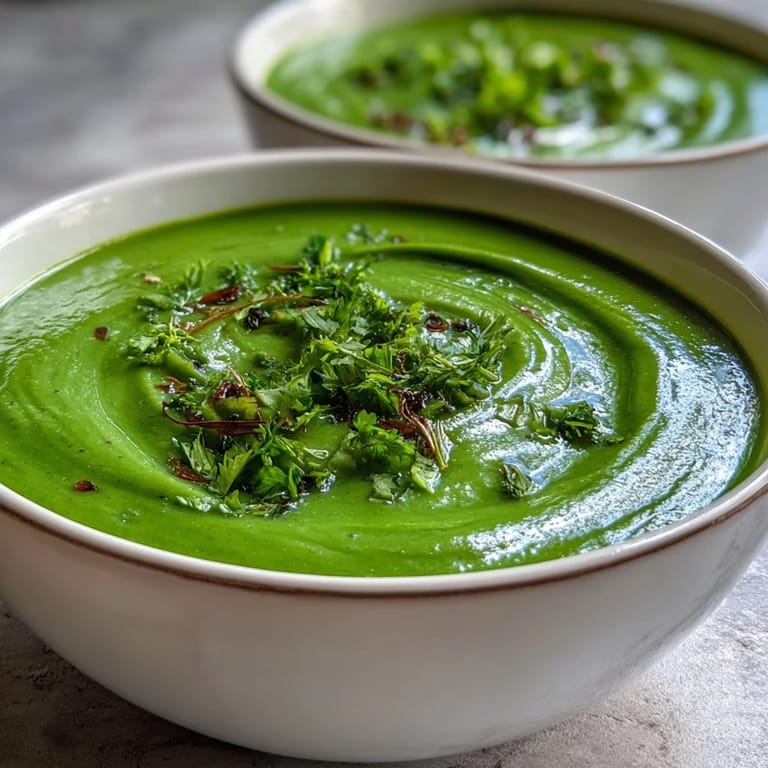
- Ladle into bowls and drizzle with a little of that good olive oil, a scattered handful of fresh herbs, or a handful of toasted pumpkin seeds if you want texture.
 Save to Pinterest
 There's a quiet moment that happens when you taste something you made with your own hands and realize it's nourishing you in a way that goes beyond nutrition—and that's what this soup does. It's the kind of thing that makes you understand why people cook in the first place.
The Secret Life of Green Vegetables in Soup
Green vegetables in soup are like a choir where everyone needs to sing at a slightly different pitch. Broccoli brings earthiness, zucchini brings delicate sweetness, spinach brings color, and peas bring tiny bursts of natural sugar that round everything out. I learned this by accident the first time I made a green soup using only one vegetable—it was flat and one-note. Once I started layering different greens, everything clicked into place.
Why Blending Changes Everything
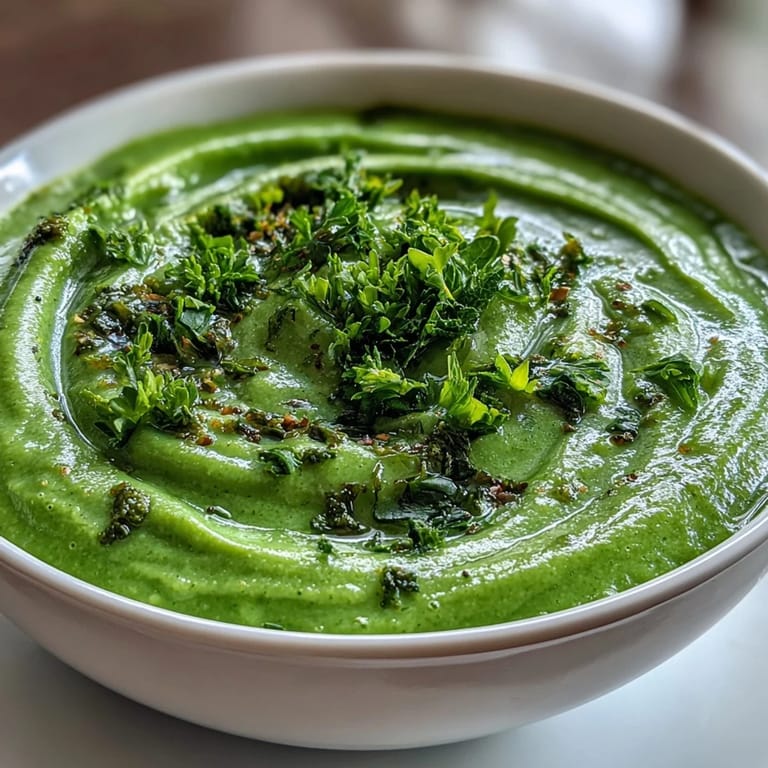
When you blend this soup, the potato and broccoli break down completely and create a naturally creamy texture without any cream at all. This was a revelation to me—I used to think creamy soups required dairy or coconut milk, but vegetables themselves, when properly cooked and blended, have their own inherent creaminess that's actually more delicate and elegant. The first time I made this soup, I was shocked at how luxurious it felt.
Making It Your Own
This recipe is a framework more than a rule book, and I've learned that some of my favorite versions happened when I didn't have what the recipe called for. Swap the broccoli for asparagus in spring, use fresh herbs you love instead of the ones I mentioned, or add a splash of unsweetened coconut milk if you want it richer. The bones of the recipe—sautéed aromatics, tender vegetables, vegetable broth, lemon, and fresh herbs—create something that always tastes right.
- If you have fresh herbs from your garden, use those instead; the soup becomes a snapshot of what's growing right now.
- Leftover soup freezes beautifully for up to three months, which means you can make a double batch and have something ready on a difficult day.
- This soup is even better the next day, when the flavors have had time to mingle and deepen.
 Save to Pinterest
 This soup has become one of my go-to recipes for moments when I want to feel grounded and clear-headed, and I'm always surprised by how many people ask for the recipe after tasting it. Make it when you have good vegetables and fresh herbs on hand, and let the simplicity be the point.
Recipe FAQs
- → Can I use frozen peas in the soup?
Yes, frozen peas work well and add convenience without compromising flavor. Simply add them as instructed.
- → How can I make the soup creamier?
Adding a splash of unsweetened coconut milk before blending will give a richer, creamier texture.
- → Is it necessary to blend the soup completely smooth?
Blending until smooth is recommended for a creamy consistency, but you may leave it slightly chunky if preferred.
- → Can fresh herbs like parsley and mint be omitted?
While they add bright, fresh flavors, you can omit mint or parsley based on availability or taste preferences.
- → What is the best way to store leftover soup?
Refrigerate leftovers in an airtight container for up to 3 days. Reheat gently on the stove or microwave.
- → Are there any common allergens in this dish?
Celery is included, which is a common allergen. The soup is gluten- and dairy-free otherwise.