 Save to Pinterest
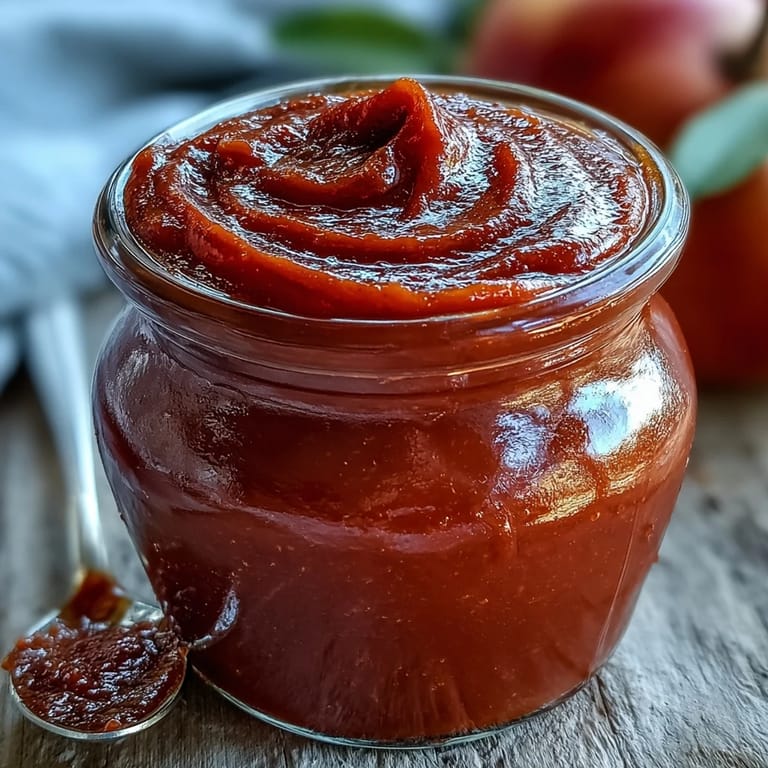
 Years ago, a friend handed me a jar of homemade guava paste at a farmers market, and I had no idea what to do with it until one sweaty afternoon when I was marinating chicken and realized I'd run out of my usual bottled barbecue sauce. Out of desperation and curiosity, I melted that guava paste into a saucepan with vinegar and spices, and something magical happened—the kitchen filled with this warm, tropical-smoky smell that made everyone stop and ask what I was cooking. That first batch wasn't perfect, but it tasted like possibility, and I've been tweaking it ever since.
I made this sauce for a small dinner party last summer when I was trying to impress someone's parents, and honestly, I was nervous about the tropical-meets-barbecue combination until their father took his first bite of glazed ribs and went completely quiet. That silence lasted maybe three seconds, then he asked if I'd sell bottles of this stuff—which was the highest compliment I could've asked for, even if it wasn't actually for sale.
Ingredients
- Guava paste: This is your secret weapon, the thing that makes this sauce unmistakably different from every other barbecue sauce you've tasted; it brings natural sweetness and a subtle tropical depth that vinegar alone can never achieve.
- Apple cider vinegar: The acidity cuts through the richness and keeps the sauce from tasting one-dimensional or cloying.
- Yellow onion and garlic: These are your aromatic foundation, the quiet workers that build savory complexity from the very first minutes of cooking.
- Smoked paprika: This is what gives the sauce that barbecue smokiness without needing a smoker, and I learned the hard way that smoked paprika tastes completely different from regular paprika.
- Cumin, allspice, and cinnamon: These warm spices echo the Caribbean side of guava and prevent the sauce from tasting too one-dimensional.
- Brown sugar and molasses: They add depth and a slight bitterness that balances the guava's sweetness.
- Dijon mustard: A small amount adds sharpness and helps emulsify the sauce, making it glossy and cling-able.
- Soy sauce or tamari: This is the umami punch that makes you wonder what you're tasting but can't quite identify—it's what makes people come back for more.
Tired of Takeout? 🥡
Get 10 meals you can make faster than delivery arrives. Seriously.
One email. No spam. Unsubscribe anytime.
Instructions
- Sauté your aromatics gently:
- Pour olive oil into a medium saucepan and let it warm over medium heat until it shimmers slightly, then add the chopped onion and listen for that soft sizzle. Cook for three to four minutes, stirring occasionally, until the onion turns translucent and releases its sweetness, then add minced garlic and give it just one minute more so it perfumes the oil without burning.
- Wake up the guava:
- Add the chopped guava paste along with water and apple cider vinegar, stirring constantly as the paste begins to break down and dissolve into the liquid. You'll notice the mixture change color and become more liquid-like within a minute or two.
- Build the spice layer:
- Sprinkle in all your spices at once—smoked paprika, cumin, black pepper, chili powder, allspice, cinnamon, salt, and red pepper flakes if you're feeling bold. Stir thoroughly so no spice clumps settle at the bottom, and take a moment to breathe in that intoxicating aroma.
- Add sweetness and savory notes:
- Stir in brown sugar, molasses, Dijon mustard, and soy sauce, mixing until everything is fully incorporated and the color deepens to a rich mahogany. The sauce should smell complex now—fruity, smoky, spiced, and slightly sharp all at once.
- Simmer slowly and stir occasionally:
- Bring the mixture to a gentle simmer, then reduce heat to low and leave it uncovered for fifteen to twenty minutes, stirring every few minutes so nothing sticks or burns. You'll notice the sauce becoming thicker, glossier, and darker as the liquid reduces and the flavors concentrate.
- Blend until silky:
- Remove the saucepan from heat and let the sauce cool for a few minutes until it's safe to handle, then use an immersion blender to process it until completely smooth. If you don't have an immersion blender, carefully transfer the sauce to a standard blender in batches and pulse until you've achieved that restaurant-quality silky texture.
- Taste and adjust:
- Once the sauce has cooled slightly, taste a spoonful and decide if it needs more salt, more heat, more sweetness, or a splash of water to thin it out. Trust your palate—this is your chance to make it exactly the way you like it.
- Cool and store:
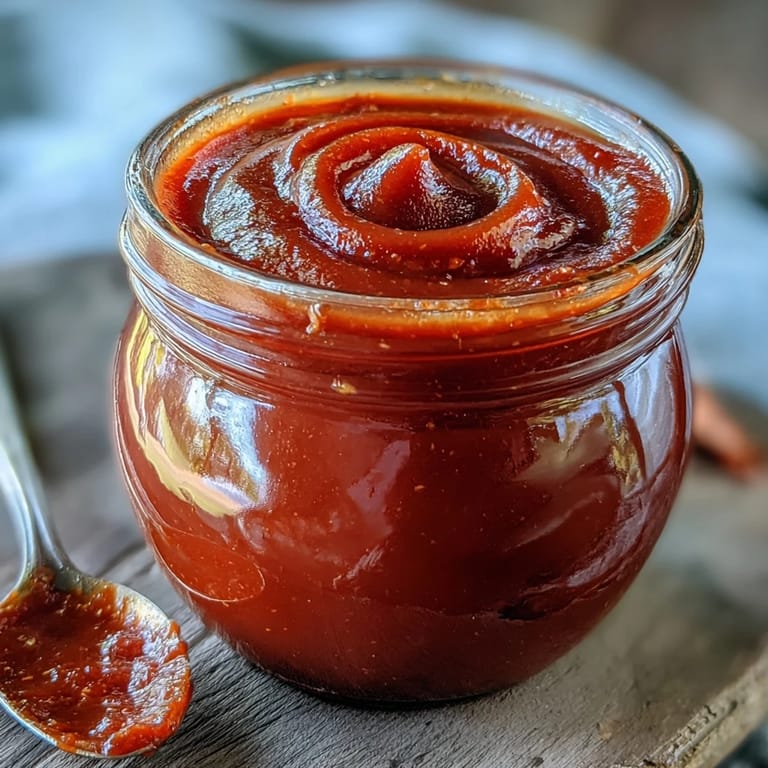
- Let the sauce cool completely to room temperature, then transfer it to a clean jar and refrigerate for up to two weeks. The flavor actually deepens after a day or two, so making this ahead is a smart move.
 Save to Pinterest
 There's something almost meditative about watching a sauce transform from separate ingredients into something unified and glossy, and I find myself leaning over the pot just to watch the bubbles slow down as it thickens. Every time I make this, I think about that farmers market afternoon and how one random ingredient changed the way I approach barbecue sauce forever.
When to Use This Sauce
This sauce shines brightest as a glaze for grilled or roasted meats—chicken, pork ribs, and beef all taste incredible with this coating—but don't sleep on it for vegetables either. I've glazed cauliflower steaks and grilled pineapple slices with this sauce, and both were showstoppers at dinner parties. It also works beautifully as a dipping sauce for everything from roasted tofu to grilled shrimp, and I've even used it as a burger condiment when regular ketchup felt boring.
Flavor Adjustments That Actually Work
The beauty of making sauce from scratch is the freedom to adjust it to your exact taste preferences, and I've learned through trial and error what tweaks actually make a difference. If you want more heat, resist the urge to dump in hot sauce—instead, increase the chili powder or red pepper flakes and let them cook into the sauce so the heat integrates instead of just sitting on top. For a spicier sauce without adding heat, bump up the smoked paprika and add a tiny pinch more cinnamon to deepen the complexity.
Storage and Make-Ahead Tips
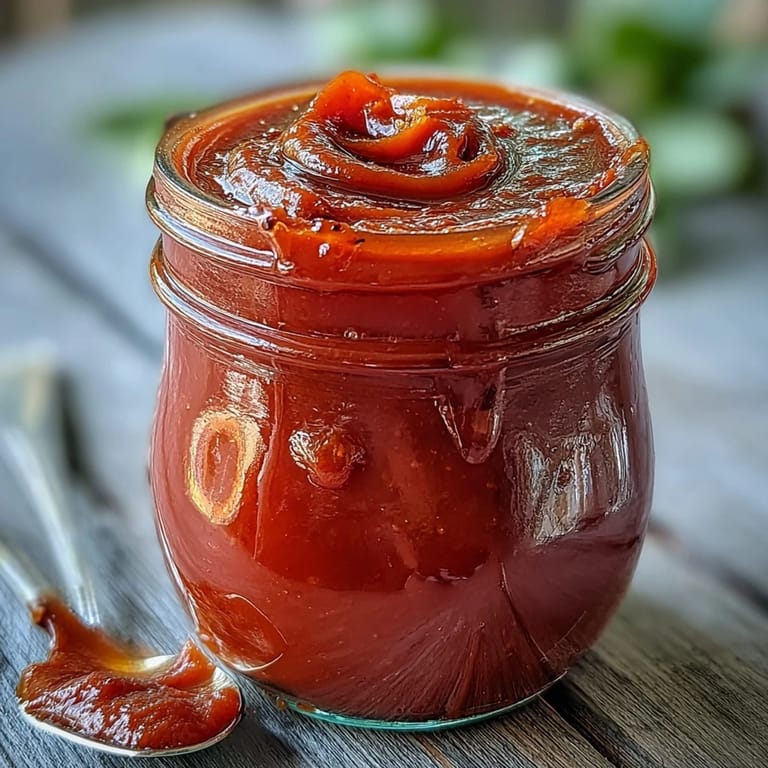
This sauce actually improves when made a day or two ahead because the flavors have time to marry and mellow slightly, so feel free to make a double batch and have it ready whenever grilling inspiration strikes. It keeps reliably in the refrigerator for up to two weeks in a clean jar, and I've even frozen it in ice cube trays for portion control—just thaw it gently in the microwave or on the stovetop with a splash of water. One final note: if your guava paste is particularly firm, soften it slightly in the microwave for thirty seconds before chopping, which saves you from having to stir the pot more aggressively.
- Make it ahead and store in a clean jar—the flavor actually deepens after sitting overnight.
- If the sauce thickens too much in the fridge, thin it with a splash of water while reheating gently on the stovetop.
- Freeze in ice cube trays for easy portion control and quick grilling inspiration anytime.
 Save to Pinterest
 Making your own barbecue sauce feels like a small act of defiance against convenience, and somehow it always tastes better than anything you could buy. Once you've made this once, you'll find yourself reaching for it again and again, and maybe someday you'll pass the recipe on to someone who's tired of store-bought too.
Recipe FAQs
- → Can I use fresh guava instead of guava paste?
Guava paste works best because it provides concentrated sweetness and thick texture. Fresh guava would require significant reduction and added sugar to achieve the same consistency and flavor intensity.
- → How long does this sauce keep in the refrigerator?
Properly stored in a clean, airtight jar, this guava BBQ sauce will stay fresh for up to 2 weeks in the refrigerator. The high sugar and vinegar content act as natural preservatives.
- → What makes this sauce different from traditional BBQ sauce?
The guava paste provides tropical fruitiness instead of tomato base, while the spice blend leans Caribbean with allspice and cinnamon. It's naturally sweeter and fruitier than Kansas City or Texas-style sauces.
- → Can I make this sauce spicier?
Absolutely. Increase the crushed red pepper flakes, add more chili powder, or incorporate hot sauce to taste. The guava's sweetness balances heat beautifully, so you can make it quite spicy without becoming overwhelming.
- → What dishes pair best with guava BBQ sauce?
This sauce shines on grilled proteins like chicken, pork chops, or shrimp. It's also excellent on roasted vegetables, tofu, or as a unique condiment for burgers. Try it with Caribbean-inspired dishes for maximum flavor harmony.