 Save to Pinterest
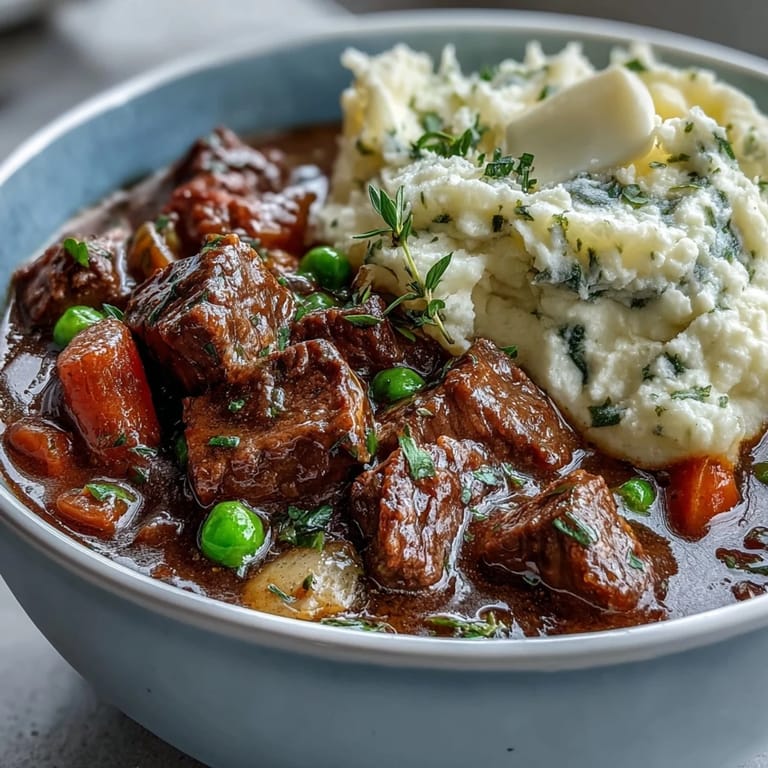
 There's something about a bowl of beef stew that brings you back to basics, especially when you're trying to eat better without sacrificing comfort. I stumbled onto this lighter version while leafing through an old cookbook on a rainy Tuesday, thinking about how my grandmother used to make hers with potatoes piled high. The cauliflower mash caught my eye as a clever swap, and I was curious enough to give it a shot that weekend. What surprised me most was how the stew's rich, wine-kissed broth actually felt more luxurious served over something lighter, like it was finally getting the attention it deserved.
I made this for my friend Marcus on a particularly cold evening when he mentioned feeling burnt out on takeout. Watching him taste it, pause, and then go back for more of the mash was one of those small kitchen victories that sticks with you. He actually asked for the recipe before he left, which almost never happens, and I remember feeling oddly proud of something so unpretentious.
Ingredients
- Lean beef stew meat (1 lb): Trimming the fat means the broth stays clean and the meat gets tender faster; cut your pieces uniform so they cook evenly.
- Olive oil (1 tbsp): This is just enough to get a good sear without making the whole thing heavy.
- Onion, carrots, celery: The holy trinity that builds flavor; don't rush the sautéing, give them five full minutes to get soft and sweet.
- Garlic (3 cloves): Mince it fine so it disappears into the broth rather than sitting in chunks.
- Beef broth (3 cups): Low-sodium is crucial here since you're reducing the liquid and everything concentrates.
- Red wine (1 cup): A dry red works best; Guinness is the cheat code if you want that deeper Irish pub flavor.
- Tomato paste (2 tbsp): This adds umami depth that makes people ask what your secret ingredient is.
- Worcestershire sauce (2 tsp): Don't skip this; it's the quiet voice that makes everything taste more intentional.
- Thyme and rosemary: Dried herbs are perfect here because they soften and perfume the whole pot evenly.
- Bay leaves (2): Always remove these before serving, but they deserve to be there for the whole cooking time.
- Frozen peas (1 cup): They go in at the end so they stay bright and don't turn to mush.
- Cauliflower (1 large head): Cut the florets uniformly so they finish cooking at the same time; this is where patience actually saves you from grainy mash.
- Butter and milk: Use real butter for better flavor; plant-based alternatives work if you need them to.
- Salt and pepper: Taste as you go; season in layers rather than all at once.
Tired of Takeout? 🥡
Get 10 meals you can make faster than delivery arrives. Seriously.
One email. No spam. Unsubscribe anytime.
Instructions
- Prep your beef like you mean it:
- Pat those cubes dry with paper towels and give them a healthy salt and pepper coating. This matters more than you'd think because dry meat browns instead of steams, and brown is where the flavor lives.
- Get a proper sear on the meat:
- Heat your oil until it shimmers, then work in batches so the beef actually touches the hot pan instead of crowding and steaming itself. It should take about 3 to 4 minutes per batch to get a golden crust all over.
- Build your flavor base:
- Toss in the onion, carrots, and celery and let them soften for five minutes, stirring occasionally. This is meditative time; the kitchen starts to smell genuinely good.
- Add the aromatics:
- Garlic goes in for just one minute, long enough to wake up the pot but not so long it burns and turns bitter.
- Layer in the paste and herbs:
- Stir the tomato paste around so it coats everything, then add your thyme, rosemary, and bay leaves. One minute of cooking here brings them all together.
- Deglaze with wine:
- Pour in your red wine and use a wooden spoon to scrape up every stuck-on bit of caramelized meat from the bottom. This is called deglazing, and it's how you rescue all that flavor that would otherwise stay on the pan.
- Simmer low and slow:
- Add the beef broth and Worcestershire, bring everything to a simmer, then drop the heat to low, cover, and let it cook for an hour and fifteen minutes. Stir it once or twice because it's nice to check in on things.
- Finish with freshness:
- Remove the lid, toss in your frozen peas, and simmer uncovered for another 5 to 10 minutes. Taste it now and adjust salt and pepper to your liking.
- Prepare the cauliflower while the stew braises:
- Boil your florets in salted water for 10 to 12 minutes until they fall apart when you press them with a fork. Overcooking here is actually your friend because you want them tender for mashing.
- Blend into something creamy:
- Drain the cauliflower well (any water left behind will make your mash watery), then put it in a food processor with butter and milk. Blend until it's smooth and looks almost like potatoes, then taste and season it properly.
- Come together on the plate:
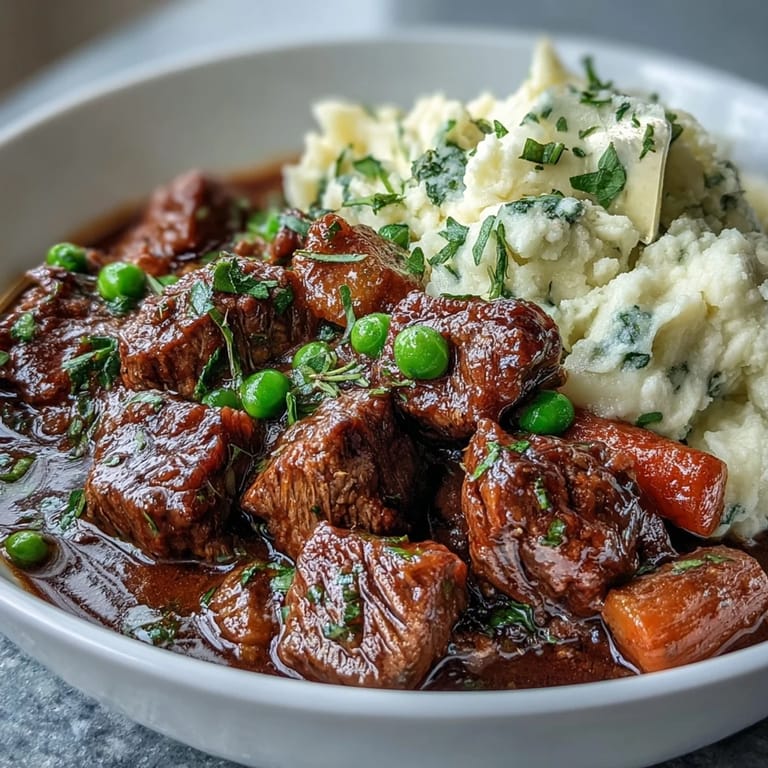
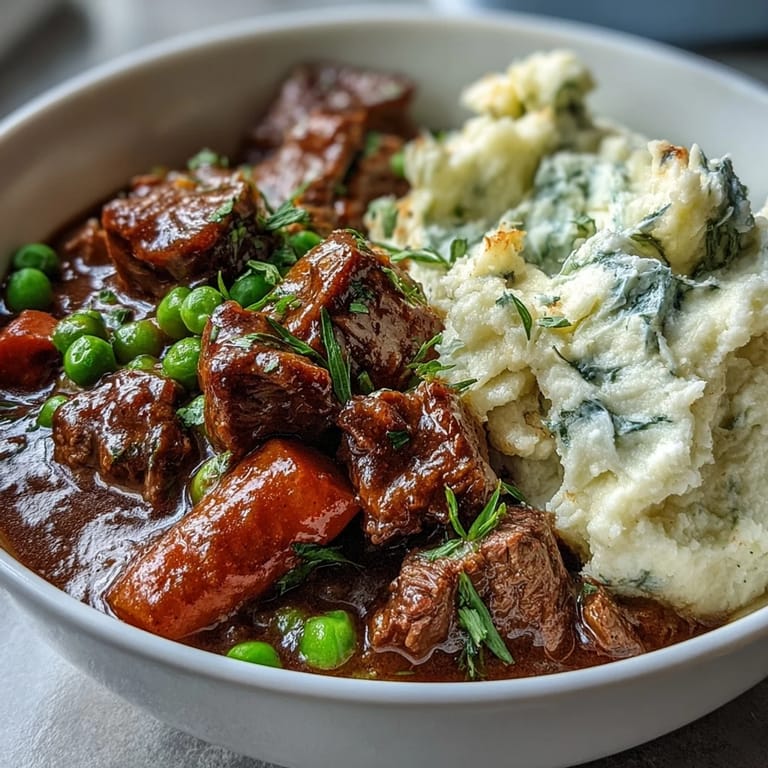
- Ladle the hot stew over a generous mound of cauliflower mash and top with fresh chives if you have them.
 Save to Pinterest
 The first time someone told me they preferred this mash to actual potatoes was surreal, honestly. It made me realize that comfort food isn't really about the ingredients themselves but about the care you put into cooking and the feeling you get when you sit down to eat it.
Why This Recipe Works as Comfort Food
Irish stew has always been about making something deeply nourishing from humble ingredients, and that spirit hasn't changed here. The wine deepens into the beef over time, the vegetables soften into the broth, and the whole pot becomes something greater than its parts. By swapping out the potatoes for cauliflower, you're not losing anything important; you're just redirecting the star power to the stew itself, where it belonged all along.
Timing and Patience
The hour and fifteen minutes of simmering is not negotiable if you want tender beef that practically dissolves on your tongue. I tried to rush it once, cutting the time down to forty minutes, and the meat was tough enough to chew on like gum. Since then, I treat that time as a gift; I go read a book, fold laundry, or just sit with a cup of tea and let the stove do the work.
Variations and Personal Touches
Once you understand how this stew works, you start seeing ways to make it your own without breaking it. I've added a generous pour of Guinness instead of wine and watched it turn almost black and beautiful. I've stirred in mushrooms for earthiness, swapped the carrots for parsnips for sweetness, and even added a tablespoon of mashed potato mixed into the mash for texture. The cauliflower is forgiving enough to handle additions, and the stew is patient enough to accommodate your mood.
- If you want the stew thicker, remove a half cup of cooked vegetables, mash them against the side of the pot, and stir back in to thicken naturally.
- A splash of red wine vinegar at the end brightens everything and cuts through the richness in the best way.
- Leftovers keep beautifully in the refrigerator for three or four days, and reheating brings back every bit of that first-night warmth.
 Save to Pinterest
 This recipe is for anyone who wants to eat well without eating boring food, and it proves that lighter doesn't have to mean less satisfying. Make it once, and you'll understand why it deserves a spot in your regular rotation.
Recipe FAQs
- → What cut of beef is best for the stew?
Lean beef stew meat cut into 1-inch cubes works well as it becomes tender after slow simmering.
- → Can I substitute cauliflower mash with another side?
Yes, mashed sweet potatoes or roasted vegetables make excellent alternatives that complement the stew.
- → How long should the beef stew simmer?
Simmer the stew covered for about 1 hour 15 minutes until the beef is tender and flavors meld together.
- → Is it possible to make the stew spicier?
Adding crushed red pepper flakes or a pinch of cayenne during cooking can add a gentle heat to the stew.
- → What wine pairs best with this meal?
A light-bodied red wine or an Irish ale balances the richness of the stew and complements its earthy flavors.