 Save to Pinterest
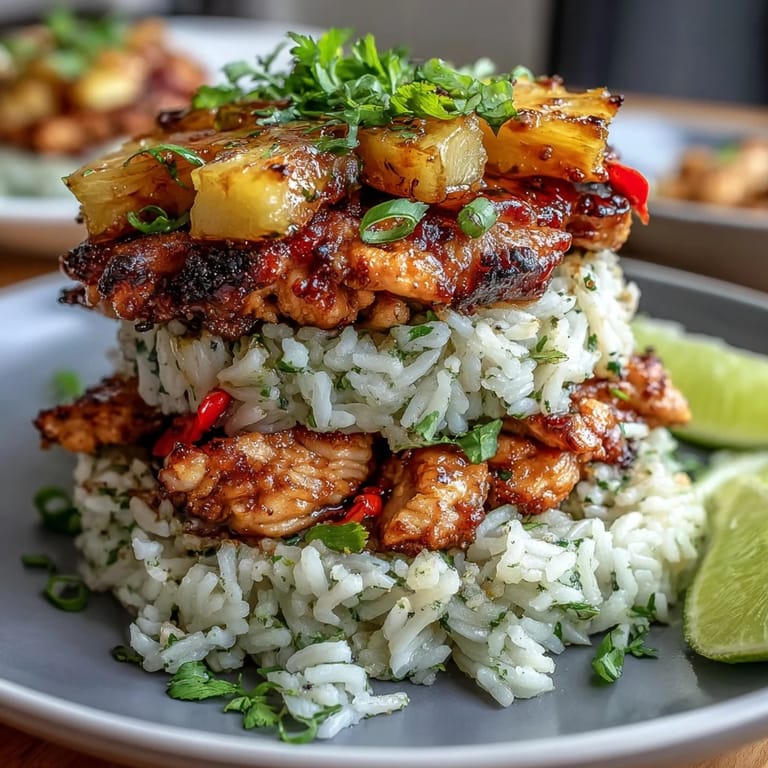
 There's something about the way pineapple and chicken dance together that caught me completely off guard the first time I made this. I was standing in my kitchen on a lazy Sunday afternoon, holding a can of pineapple juice and wondering if I was about to make a terrible mistake, when the smell of ginger and sesame oil hit me and suddenly everything clicked. The crisp lettuce leaves became little edible boats, and what started as an experiment turned into something my friends still ask me to make. It's the kind of dish that doesn't feel like you're eating light—it feels like you're eating something special.
I made these for a dinner party once where I was nervously trying to impress someone's dietary restrictions, and halfway through plating, I realized that everyone—and I mean everyone—was reaching for seconds. My friend Sarah sat there piling her lettuce leaf and saying, "This tastes like summer," and I knew right then that this recipe had earned a permanent spot in my rotation. It became less about the food and more about that moment when everyone stops talking and just starts eating.
Ingredients
- Boneless, skinless chicken breast (400 g): Diced into bite-sized pieces so they cook fast and stay tender, not tough.
- Soy sauce (2 tbsp): The anchor flavor that ties everything together—use gluten-free if you need to, and don't skip it thinking you'll add it later.
- Sesame oil (1 tbsp): Just a tablespoon is enough; this stuff is potent and one whiff tells you why people obsess over it.
- Honey (1 tbsp): Adds a subtle sweetness that balances the salt and makes the chicken glisten as it cooks.
- Garlic (1 clove, minced) and fresh ginger (1 tsp, grated): These two are your flavor awakeners—don't use powder if you can help it.
- Jasmine or basmati rice (1 cup uncooked): Jasmine has that delicate floral note that plays really well with tropical flavors.
- Water (2 cups) and salt (1/2 tsp) for rice: The salt in the cooking water seasons the rice from the inside out, not just on top.
- Vegetable oil (1 tbsp): Any neutral oil works—this is just your cooking medium, nothing fancy needed.
- Red bell pepper (1) and red onion (1 small): The crunch and slight sweetness of red onion is worth the extra step of slicing thin.
- Fresh pineapple (200 g) or canned in juice: If using canned, drain it well or you'll end up with a watery dish instead of a stir-fry.
- Fresh cilantro (2 tbsp, chopped) and green onions (2): These are your fresh finish—they bring brightness that makes people taste every layer.
- Butter or iceberg lettuce (1 large head): Pick leaves that are sturdy but pliable, not the paper-thin ones that tear when you fill them.
- Toasted sesame seeds (1 tbsp) and lime wedges: The sesame adds texture, and lime brings everything into focus at the very end.
Tired of Takeout? 🥡
Get 10 meals you can make faster than delivery arrives. Seriously.
One email. No spam. Unsubscribe anytime.
Instructions
- Marinate the chicken:
- In a bowl, whisk together soy sauce, sesame oil, honey, minced garlic, and grated ginger until combined. Add diced chicken and toss until every piece is coated—then let it sit for at least 10 minutes while you prep everything else. The marinade doesn't need hours; it just needs enough time to whisper flavor into the chicken.
- Cook the rice:
- Rinse rice under cold water until the water runs mostly clear, which removes excess starch and keeps grains from clumping. Bring 2 cups water and salt to a boil, add rice, reduce heat to low, cover, and simmer for 12-15 minutes without peeking—then fluff it with a fork and set aside.
- Sear the chicken:
- Heat vegetable oil in a large skillet or wok over medium-high heat until it shimmers slightly. Add the marinated chicken (reserving any extra marinade) and let it sit undisturbed for 2-3 minutes so it can brown, then stir and cook for another 2-3 minutes until the pieces are cooked through and edges are golden.
- Build the stir-fry:
- Add diced red bell pepper and sliced red onion to the pan and stir-fry for 2-3 minutes until they've softened just enough but still have that satisfying crunch. Fold in the diced pineapple and cook for 1-2 minutes more—you're just heating everything through, not cooking all the brightness out.
- Combine and finish:
- Add the cooked rice to the pan with the chicken and vegetables, then toss everything gently until combined and warm. Taste it and add a pinch more salt or soy sauce if needed—the rice will have absorbed flavors but you want that savory-sweet balance to shine.
- Assemble the wraps:
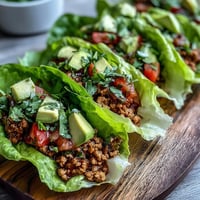
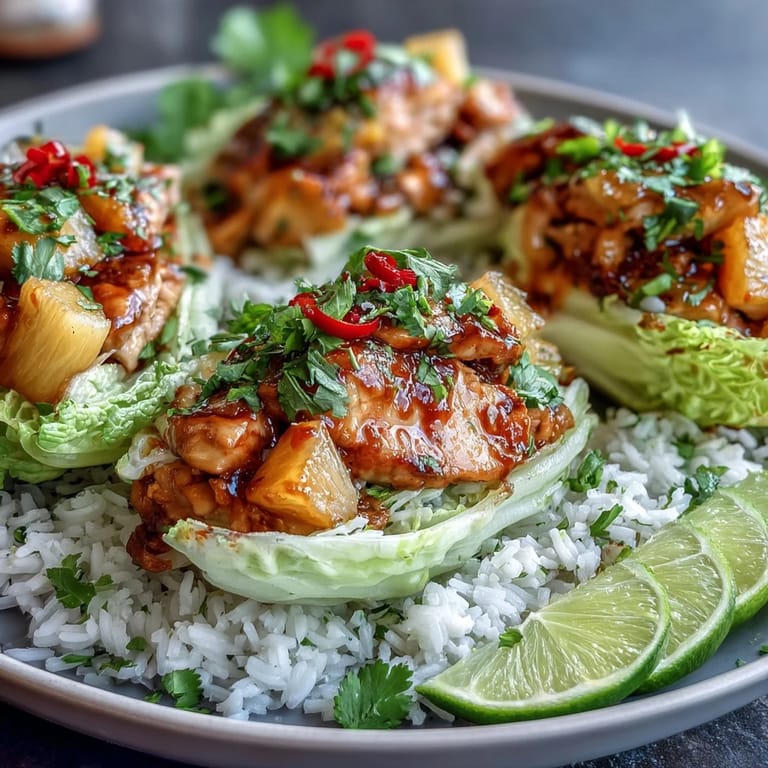
- Set out lettuce leaves on a platter and spoon the warm chicken-rice mixture into the center of each one. Top with fresh cilantro, sliced green onions, and toasted sesame seeds if using, then serve with lime wedges on the side so people can squeeze them just before eating.
 Save to Pinterest
 What struck me most about making this dish over and over is how it stopped being about following steps and started being about understanding timing and texture. My kitchen began to smell like that specific combination of sesame and ginger, and somehow that scent became shorthand for a night when I'd fed people something that made them happy. That's when I knew it wasn't just a recipe anymore—it was a moment I could create on purpose.
Why Lettuce Wraps Win the Dinner Table
There's something about wrapping your own food that changes how you experience eating it. You slow down, you pay attention to the flavors, and you get that tactile satisfaction that a plate can never quite give you. Lettuce wraps also feel indulgent in a way that salad never does, even though you're eating essentially the same things—maybe because you're holding them in your hands like food is supposed to be held.
The Tropical Twist That Works
Pineapple gets a bad reputation in savory cooking, mostly because people go overboard and turn everything into a sticky mess. But when it's paired with the right marinade and balanced with salt and acid, it becomes this secret ingredient that makes people taste their food more carefully. I've had friends stop mid-bite and ask what's different, and when I tell them it's the pineapple, they're always surprised—like they expected something more exotic. That element of surprise is part of why I keep coming back to this recipe.
Making It Your Own
This recipe is forgiving enough that you can play with it without ruining anything. Swap in whatever proteins or vegetables you have on hand, adjust the heat level, change the rice type. I've made it with shrimp on nights when I wanted something faster, and I've thrown in chopped cashews when I had them sitting around. The structure stays the same, but the dish becomes yours.
- A splash of sriracha stirred into the marinade turns up the heat without changing the flavor balance.
- Brown rice takes longer but adds a nuttier depth that works beautifully with the ginger and pineapple.
- If lettuce wraps aren't your thing, serve this over jasmine rice in a bowl instead and lose nothing.
 Save to Pinterest
 This is the kind of recipe that slips into your regular rotation and stays there, becoming something you make without thinking too hard about it. Every time you serve it, someone new tastes it and becomes a believer.
Recipe FAQs
- → Can I use other types of rice?
Yes, basmati or jasmine rice works best, but brown rice can be used for added fiber and a nuttier flavor.
- → What alternatives are there for chicken?
Tofu makes a great vegetarian substitute; marinate and cook it similarly for best flavor.
- → How can I add extra heat to this dish?
Add a splash of sriracha, chili sauce, or fresh chili peppers during stir-frying to introduce some spiciness.
- → Is this dish suitable for gluten-free diets?
Yes, if you use gluten-free soy sauce, the dish is safe for gluten-sensitive individuals.
- → What tools are needed for preparation?
A large skillet or wok for stir-frying, a saucepan with a lid for rice, mixing bowls, and basic cutting tools are required.