 Save to Pinterest
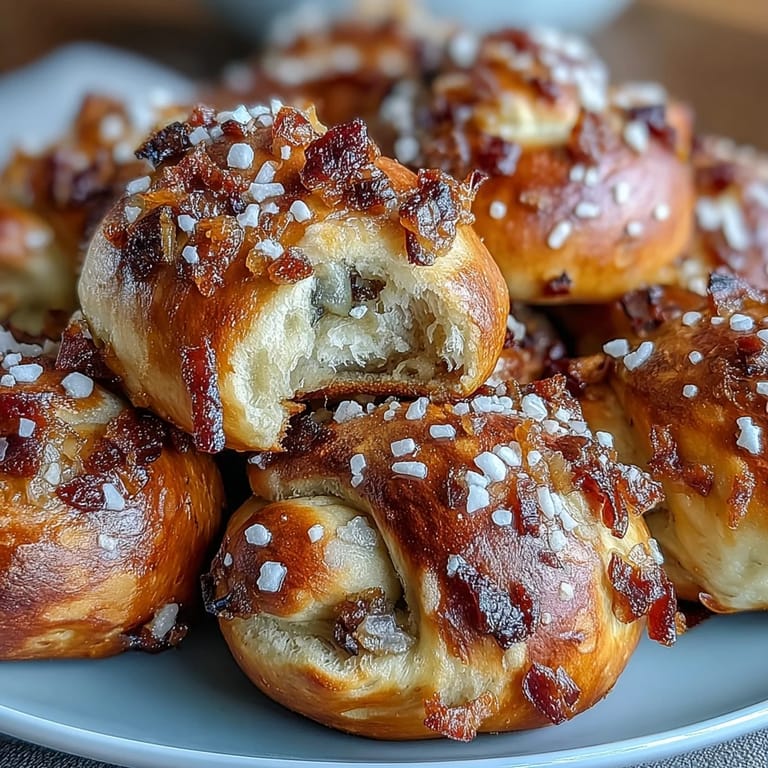
 One rainy afternoon, my sourdough starter was bubbling louder than usual, and I had half a caramelized onion sitting in a container from dinner prep the night before. Instead of making the usual bread, I thought: what if I combined them into something bite-sized and shareable? The result was these soft, tangy pretzel bites that somehow taste like a German bakery decided to collaborate with a French onion soup. They've become my go-to when friends drop by unexpectedly, or when I need something warm and salty to justify standing in the kitchen on a quiet evening.
I made a batch for a book club meeting, and someone asked if I'd bought them from a German bakery down the street. When I admitted I'd made them at home using my starter and leftover caramelized onions, the whole room went quiet. Then came the questions, the recipe requests, and the offer to bring them to next month's gathering. That's when I knew these weren't just snacks—they were the kind of food that makes people feel like you're sharing something personal.
Ingredients
- Active sourdough starter (1 cup, 100% hydration): This is where the magic lives—the tang and depth that makes these taste nothing like regular pretzels, plus the natural rise means you're working with fermentation instead of fighting it.
- Bread flour (2½ cups): Use bread flour, not all-purpose; the extra protein develops that perfect chewy-crispy structure that makes a pretzel a pretzel.
- Warm water (⅔ cup): Warm, not hot—think bathwater temperature so it wakes up your dough without shocking it.
- Unsalted butter (2 tbsp, melted): Adds richness and tenderness; melting it first means it distributes evenly throughout.
- Granulated sugar (1 tbsp): A touch of sweetness that balances the onion and helps with browning during baking.
- Fine sea salt (1 tsp for dough, ½ tsp for onions): Don't skip the fine salt in the dough—it dissolves completely and seasons evenly, unlike larger crystals.
- Medium yellow onion (1, finely diced): Yellow onions turn genuinely sweet when caramelized; red or white won't give you the same depth of flavor.
- Olive oil (1 tbsp for onions): Just enough to coat the pan without making the onions greasy during their slow transformation.
- Water (6 cups for baking soda bath): This needs to be fresh and brought to a full rolling boil—the baking soda reaction is what gives pretzels their signature chew and deep color.
- Baking soda (¼ cup): This alkaline bath is non-negotiable for authentic pretzel texture; you'll see it bubble impressively, and that's exactly what should happen.
- Egg (1, beaten for egg wash): The egg creates a glossy, golden finish and helps the salt stick to the surface.
- Flaky sea salt (for sprinkling): Use flaky sea salt here, not fine salt—the bigger crystals give you those satisfying bursts of salt and better texture contrast.
- Optional toppings (minced chives or dried onion flakes): These are truly optional, but they add another layer of flavor if you want extra onion presence or fresh herbal notes.
Tired of Takeout? 🥡
Get 10 meals you can make faster than delivery arrives. Seriously.
One email. No spam. Unsubscribe anytime.
Instructions
- Caramelize your onions first:
- Heat olive oil in a skillet over medium heat, add your diced onion with ½ tsp salt, and let it cook low and slow for 12–15 minutes, stirring every couple of minutes so it caramelizes evenly instead of burning. You'll know they're done when they're golden-brown and smell like sweet, cooked heaven—then set them aside to cool completely so they don't warm up the dough later.
- Mix your dough:
- In a large bowl, combine your active sourdough starter, bread flour, warm water, melted butter, sugar, and 1 tsp salt, stirring until everything comes together into a shaggy, rough mass. This should take just a couple of minutes by hand or a few seconds with a stand mixer.
- Add the onions and knead:
- Once the dough is shaggy, add your cooled caramelized onions and knead everything together for 7–10 minutes by hand or with a dough hook until the dough becomes smooth, elastic, and the onions are distributed throughout. You're looking for a dough that springs back slightly when you poke it—that's when the gluten is properly developed.
- Let it rise:
- Transfer the dough to a lightly greased bowl, cover it with a damp towel or plastic wrap, and let it sit in a warm place (around 75–78°F is ideal) for about 2 hours until it's visibly puffy and has roughly doubled in size. If your kitchen is cool, this might take longer—that's fine, just watch for size rather than time.
- Preheat and prep:
- While the dough is rising, preheat your oven to 425°F and line two baking sheets with parchment paper so everything is ready when you need it.
- Shape your pretzel bites:
- Turn your risen dough onto a lightly floured surface, divide it into 4 equal pieces, then roll each piece into a long rope about 12 inches and cut it into 1-inch segments with a sharp knife or bench scraper. The pieces don't need to be perfect—rustic is actually more appealing here.
- Boil in baking soda bath:
- Bring 6 cups of water to a rolling boil and carefully add the ¼ cup baking soda (it will bubble up spectacularly—this is normal and important). Working in batches so you don't overcrowd the pot, drop pretzel bites in for exactly 30 seconds, then fish them out with a slotted spoon and arrange them on your prepared baking sheets.
- Finish and bake:
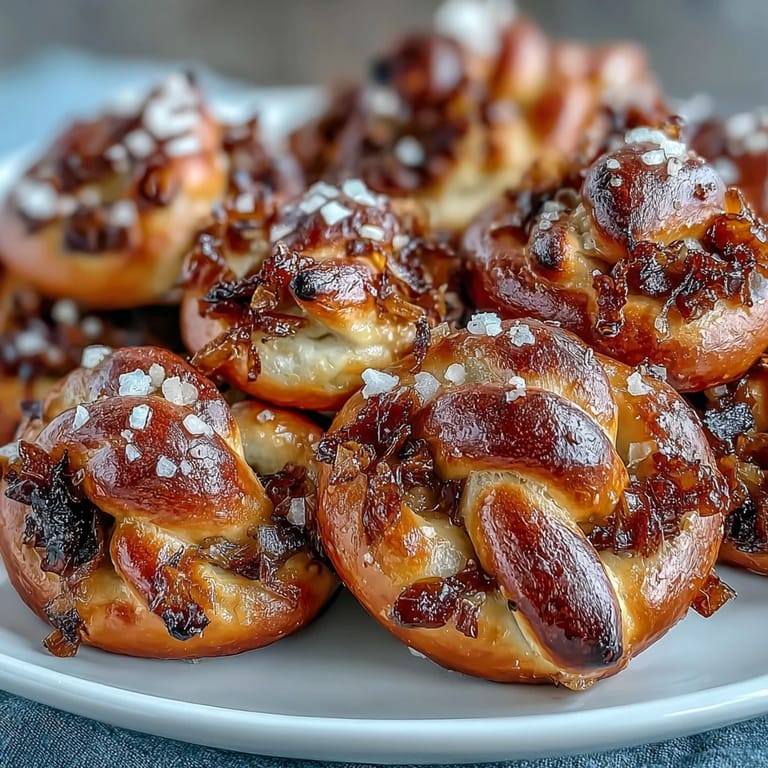
- Brush each bite with beaten egg wash, sprinkle generously with flaky sea salt and any optional toppings, then bake for 12–15 minutes until they're deep golden brown and smell like a pretzel stand at the fair. They'll continue to firm up as they cool, so don't overbake or they'll become tough.
- Cool and serve:
- Let them cool for a few minutes on the baking sheet so they set slightly, then transfer to a wire rack or serving plate and enjoy them warm with your favorite dip.
 Save to Pinterest
 The moment that hooked me was when my neighbor knocked on the door as I was pulling these out of the oven, drawn by the smell wafting down the hallway. She stood in my kitchen, ate one still warm, closed her eyes, and said, "This tastes like my childhood in Munich." Suddenly these weren't just pretzel bites—they were a bridge between my kitchen and her memories, all because I'd decided to use what I had on a rainy afternoon.
Why Sourdough Makes All the Difference
Sourdough starter brings something yeast alone can't—a complexity that builds over time as it ferments slowly. The lactic acid in the starter creates that subtle tang you taste in every bite, while the wild yeast does the work of rising without the metallic edge you sometimes get from commercial yeast. It also means these pretzel bites stay soft longer and actually taste better the next day as the flavors continue to develop, something that doesn't happen with regular dough.
The Caramelization Secret
Patience is what separates good caramelized onions from ordinary ones. Rushing with high heat gives you brown onions, not caramelized ones—which might sound like the same thing but tastes completely different. Low-and-slow cooking breaks down the onion's natural sugars, creating this deep, almost sweet flavor that wouldn't exist if you cranked the heat. The onions should be golden and dense by the time you're done, not burnt or still translucent.
Storage and Reheating Tips
These bites freeze beautifully for up to three weeks if you let them cool completely and store them in an airtight container or freezer bag. To reheat, just pop them in a 350°F oven for 5–7 minutes until they're warm through—they'll regain some of that fresh-baked texture and soften up nicely.
- Serve them warm with mustard, a sharp cheese dip, or a creamy onion dip for the full experience.
- If you want to add garlic powder, stir ½ tsp into the dough along with the salt for deeper savory notes.
- Make sure to use a slotted spoon for the baking soda bath so you're not dragging baking soda solution onto your baking sheet—it affects the final texture.
 Save to Pinterest
 These pretzel bites have a way of bringing people together, whether it's the quick grab-and-go kind of snacking or the "let's sit down and actually talk" kind of entertaining. Make them once, and you'll understand why they deserve a permanent spot in your rotation.
Recipe FAQs
- → What makes the pretzel bites soft?
The use of a sourdough starter combined with proper kneading and rising time creates a tender, chewy texture that keeps the bites soft inside.
- → How are the caramelized onions prepared?
Onions are finely diced and cooked slowly in olive oil with salt until golden brown and sweet, which enhances flavor in the dough.
- → Why is there a baking soda bath step?
Dipping the dough bites in a boiling baking soda solution creates the classic chewy crust and rich color typical of pretzels.
- → Can I add flavors to the dough?
Yes, adding garlic powder or herbs can elevate the flavor profile without overpowering the natural tang from sourdough and sweetness of onions.
- → What toppings work well with these bites?
Flaky sea salt is traditional, but minced chives or dried onion flakes add extra aroma and texture when sprinkled before baking.