 Save to Pinterest
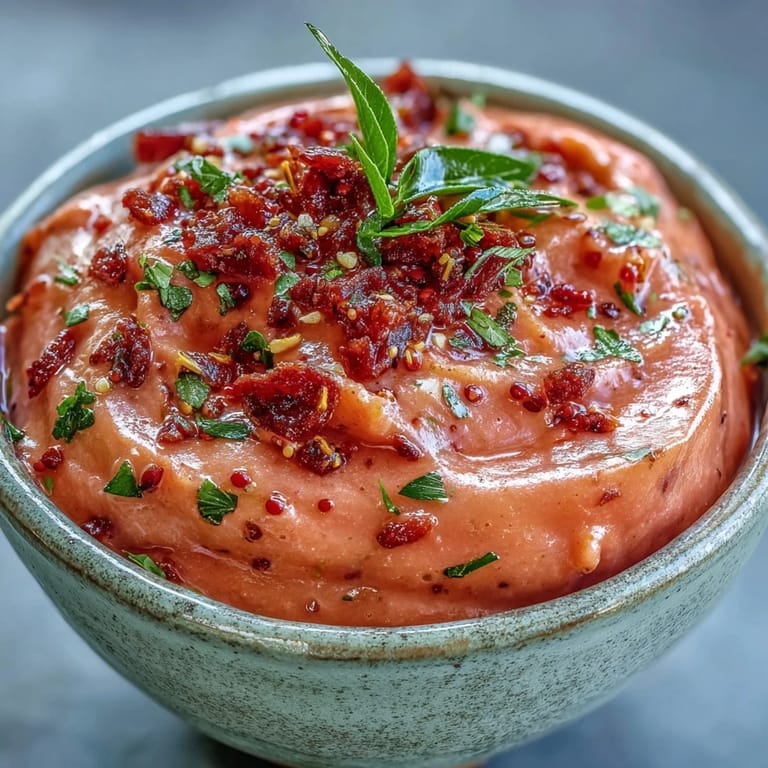
 My neighbor showed up one morning with a bagful of guavas from her backyard tree, insisting I do something with them before they turned too soft. I'd never made chutney before, but watching her hands move through the chopping motions as she explained the balance of sweet, tart, and heat, something clicked. Within minutes of blending and tempering, the kitchen filled with this bright, warm aroma that made me understand why this humble condiment sits on every South Indian table. It became my go-to move whenever someone hands me fruit and says figure it out.
I made this for my friend's breakfast potluck, nervous it wouldn't be "authentic" enough, but watching people come back for third helpings of idli just because of this chutney taught me that food doesn't need permission to be good. The conversation shifted from polite small talk to actual storytelling, all while people were reaching for more of this bright green relish. That's when I realized good chutney is less about following rules and more about understanding balance.
Ingredients
- Semi-ripe guavas (2, chopped, about 1½ cups): Pick ones that are just starting to yellow but still firm; they have better tartness and structure than fully ripe ones that turn mushy.
- Fresh grated coconut (¼ cup): The natural sweetness and texture keep this chutney from being one-note sharp, and it adds body without heaviness.
- Green chilies (1–2, chopped): Start with one if you're unsure; heat builds as you blend and shouldn't overpower the fruit's natural brightness.
- Ginger (1-inch piece, peeled and chopped): This brings a warm depth that makes people ask what's in it without being obvious.
- Fresh coriander leaves (2 tablespoons, chopped): Adds a grassy, fresh finish that lifts the whole thing.
- Salt (½ teaspoon): Balances sweetness and brings forward the guava's subtle tartness.
- Jaggery or brown sugar (1 teaspoon): Just enough to round the edges without making it dessert-like.
- Lemon juice (1 tablespoon): The final adjustment that ties everything together and preserves the vibrant color.
- Coconut oil (1 tablespoon): For tempering; it has a subtly sweet flavor that complements the tropical base.
- Mustard seeds (½ teaspoon): They splutter and pop, waking up your senses and adding a nutty dimension.
- Urad dal (½ teaspoon, split black gram): Toasts to a golden crisp and gives a nutty crunch that contrasts the smooth chutney.
- Dried red chili (1): Brings warmth and slight earthiness without competing with the green chili heat.
- Curry leaves (6–8): Toast these properly and they're fragrant, not bitter.
- Asafoetida (a pinch, optional): If you use it, this pungent spice rounds out the savory notes and adds umami depth.
Tired of Takeout? 🥡
Get 10 meals you can make faster than delivery arrives. Seriously.
One email. No spam. Unsubscribe anytime.
Instructions
- Blend your base:
- Combine guavas, coconut, green chilies, ginger, coriander, salt, jaggery, and lemon juice in a blender with 2–3 tablespoons of water. Blend until smooth, tasting as you go and adjusting water or lemon juice until the texture feels right—thicker than a soup but looser than a paste.
- Transfer to your serving bowl:
- Pour the blended chutney into a bowl where you'll later add the tempering. This step gives you room to work with the oil and spices without splattering.
- Heat your oil:
- Warm coconut oil in a small pan over medium heat until it shimmers slightly. You want it hot enough that the mustard seeds react but not so hot that everything burns.
- Splutter the mustard seeds:
- Add mustard seeds and listen for the pop and crackle as they jump around the pan. This moment is when the fragrance really wakes up, and you know the tempering is working.
- Build the tempering:
- Once the seeds settle, add urad dal, dried red chili, curry leaves, and asafoetida if using. Stir constantly for about 30 seconds until the dal turns golden and fragrant, being careful not to let anything scorch.
- Pour and finish:
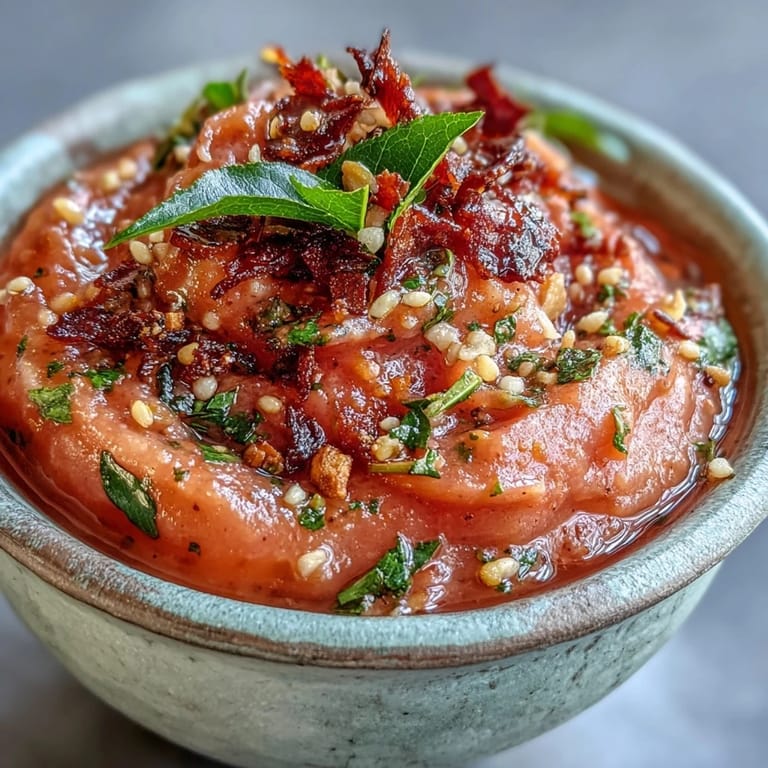
- Carefully pour the entire hot tempering mixture over the chutney in the bowl, listening to the sizzle as hot oil meets cool paste. Mix everything together gently so the flavors distribute evenly.
 Save to Pinterest
 There's something almost meditative about this chutney—the sound of mustard seeds popping, the smell of curry leaves hitting hot oil, the moment you pour it over that bright green paste and everything comes alive. My kitchen has never smelled the same since I started making this regularly, and somehow everyone I serve it to asks for the recipe.
The Tempering Moment
This is where chutney becomes magic. The tempering is what separates a smooth paste from something that feels like it was made with intention and care. When that hot oil hits cold chutney, something chemical happens—flavors deepen, textures shift, and suddenly you're not eating mashed fruit anymore. Pay attention during these 30 seconds; let the urad dal toast until it's golden but not brown, and don't let the curry leaves sit long enough to turn bitter.
Consistency Is Your Guide
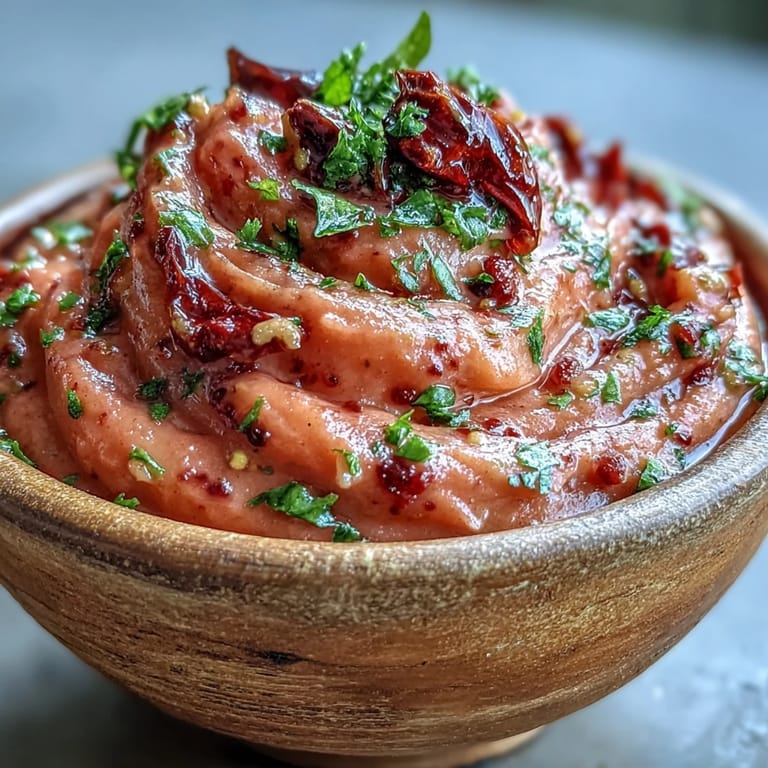
Every guava is different depending on the season and variety, so the amount of water you need will shift. Add it slowly, blending between splashes, until you reach a consistency that feels right—thick enough to coat a spoon but loose enough to spread smoothly on dosa. I've made batches that were too thick and had to rescue them with a splash of water, and other times I've added more lemon juice to loosen things up. Trust your instincts and don't be afraid to adjust.
Serving and Storage Ideas
This chutney is best served fresh and warm, when the tempering still carries that toasted aroma and the base is at its brightest. It stores well in the refrigerator for 3–4 days and can be spooned over crispy dosa, soft idli, fried vada, or even spread on a sandwich for unexpected flavor. Some people stir it into yogurt for a quick raita, or serve it alongside samosas when they want something lighter than tamarind chutney.
- Make extra and gift it to friends in small jars; it travels well and impresses people who think they don't like chutney.
- If the chutney separates slightly in the fridge, a quick stir brings everything back together.
- The longer it sits, the flavors blend and meld, so leftovers sometimes taste even better the next day.
 Save to Pinterest
 Make this chutney once and it becomes a regular visitor to your kitchen. The balance of sweet, tart, heat, and that nutty toasted finish from the tempering is something your taste buds will start asking for regularly.
Recipe FAQs
- → What does guava chutney taste like?
The chutney offers a balanced sweet-tangy flavor from semi-ripe guavas, complemented by fresh coconut's creaminess and gentle heat from green chilies. The tempering adds aromatic warmth and subtle nuttiness.
- → Can I make this chutney ahead of time?
Yes, this chutney keeps well in the refrigerator for 3-4 days when stored in an airtight container. Add the tempering fresh before serving for the best texture and flavor.
- → What can I substitute for fresh coconut?
Frozen grated coconut works well as a substitute. For a different flavor profile, you can use roasted peanuts or cashews, though the texture and taste will vary from the traditional version.
- → How do I adjust the spice level?
Start with one green chili and taste before adding more. Removing seeds from the chilies reduces heat significantly. You can also increase jaggery to balance spiciness with sweetness.
- → Is this chutney served hot or cold?
It's typically served at room temperature with hot idli or dosa. The tempering should be poured warm over the chutney, but the condiment itself doesn't require heating.
- → Can I use ripe guavas instead?
While semi-ripe guavas provide the ideal tangy-sweet balance, ripe guavas will yield a sweeter chutney. You may want to reduce jaggery and increase lemon juice to maintain flavor balance.