 Save to Pinterest
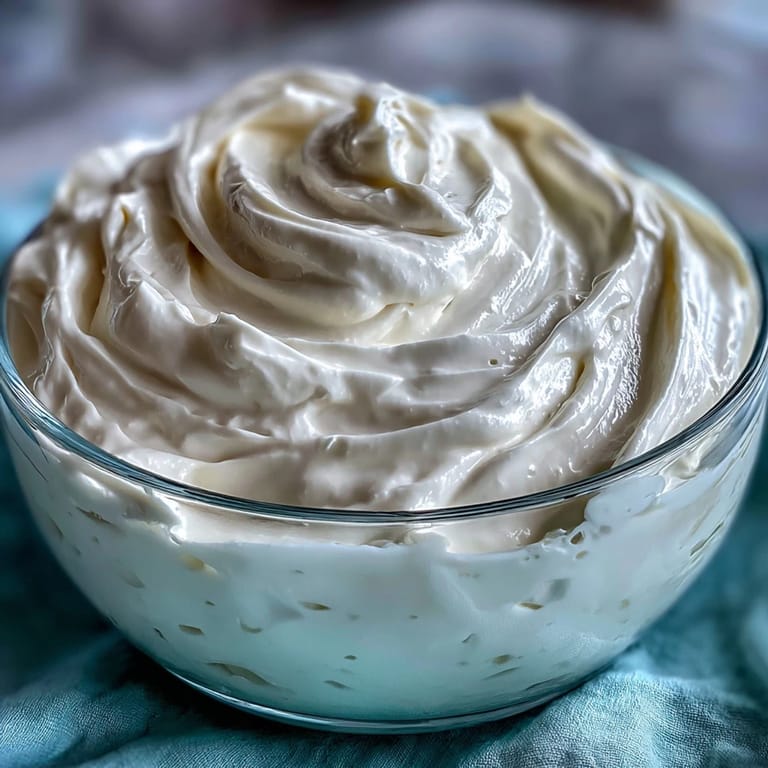
 One summer afternoon I found myself staring at a half-empty jar of store-bought mayonnaise, wondering if it was really impossible to make my own from scratch. The hum of my immersion blender had never sounded so promising, and the idea of whisking up something creamy in minutes was oddly thrilling. I remember the sunlight streaming through the kitchen window as I measured out the oil, realizing that if this worked, my sandwich life would never be the same. Homemade mayonnaise felt like a secret club, and I was finally getting the password. What surprised me most was how quick the recipe actually came together, making me question every supermarket purchase I'd ever made.
The first time I made this for friends, I almost forgot the salt—a rookie mistake quickly remedied mid-blend. Everyone gathered around the kitchen counter, curious about my new obsession, and the unmistakable aroma of fresh mayo had us taste-testing directly from the spoon. We ended up dipping everything from carrot sticks to crostini, and someone even declared it 'better than the fancy jars.' That moment was both hilarious and gratifying, cementing this recipe as a crowd-pleaser. Since then, whipping up fresh mayo has become my go-to trick for quick snacks and unexpected guests.
Ingredients
- 1 large egg (room temperature): Using a room temp egg makes the emulsification swift and stable; I always take the egg out ahead of time.
- 1 tablespoon Dijon mustard: Dijon adds subtle heat and body; swapping it for whole grain changes the texture but not the magic.
- 1 tablespoon white wine vinegar or lemon juice: This tangy acid lifts the flavor; lemon juice gives freshness, while vinegar leans savory.
- 1 cup neutral oil: Choose sunflower, canola, or a light olive oil for silky results; heavier oils can overpower the taste.
- 1/2 teaspoon fine sea salt: Salt is the silent hero, bringing flavors into balance; always taste at the end for perfect seasoning.
- 1/4 teaspoon freshly ground black pepper (optional): A touch of pepper adds depth; skip it for a truly classic mayo, or include it for subtle warmth.
Tired of Takeout? 🥡
Get 10 meals you can make faster than delivery arrives. Seriously.
One email. No spam. Unsubscribe anytime.
Instructions
- Ready Your Container:
- Find the tallest, narrowest container in your kitchen; it’s crucial for that creamy blend. Add the egg, mustard, vinegar or lemon juice, salt, and pepper right into it, watching the golden yolk settle.
- Add the Oil:
- Pour the oil gently, letting it float above the other ingredients without disturbing them.
- Blend from the Bottom:
- With the immersion blender pushed right to the bottom, turn it on and keep it still; in seconds, you’ll see the mixture thickening at the edges.
- Emulsify and Move:
- Slowly begin moving the blender up and down, drawing the oil into the creamy base until it’s thick and smooth. The transformation happens fast—don’t blink.
- Taste and Fine-Tune:
- Pause, dip a spoon in, and taste your creation; add more acid or salt if desired, then give another quick blend.
- Jar and Chill:
- Scoop the luscious mayo into a clean jar, seal tightly, and refrigerate right away. It’ll keep for a week, but it rarely lasts that long.
 Save to Pinterest
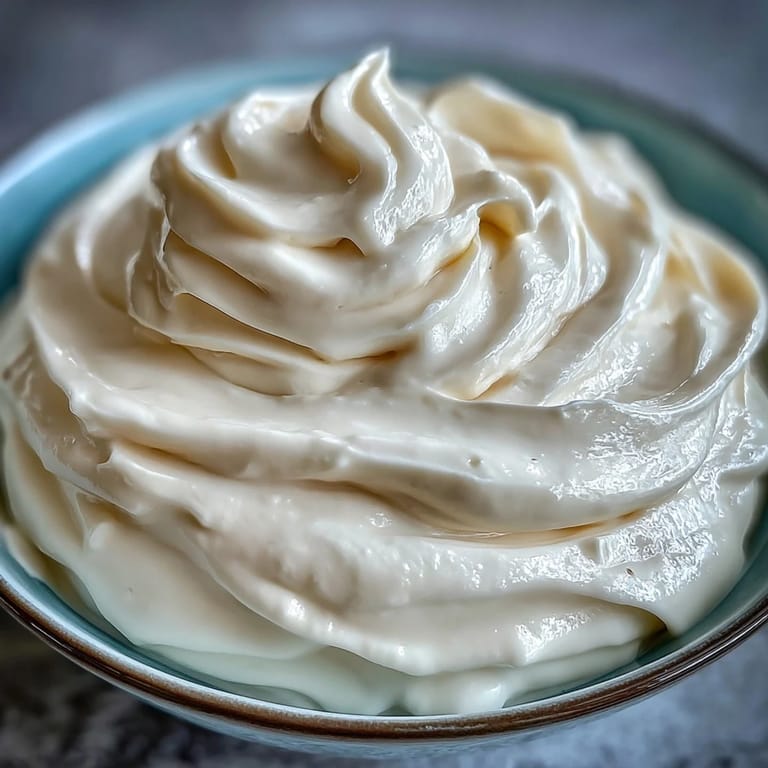
 I realized how magical this recipe was after serving homemade mayo alongside roasted vegetables at a fall potluck. People started requesting it for their gatherings, and someone even asked for a jar as a birthday gift. Mayo never felt special until that day, but now it’s a staple that brings everyone back to the table. Homemade always gets applause, and the simple act of blending fresh ingredients feels oddly celebratory. These moments remind me that sometimes the smallest kitchen wins are the most memorable.
How to Personalize Your Mayo
Tweaking the flavor is ridiculously easy; a bit of garlic turns it into fresh aioli, and extra vinegar guarantees the tang you crave on certain days. Once, I added chopped herbs right before blending, and the flecks of green made it feel gourmet without the fuss. Don’t be afraid to experiment—this recipe forgives small mistakes and celebrates big flavors. You can even blend sriracha or smoked paprika for a spicy kick. Whatever you choose, there’s nearly no wrong turn.
Storage Tricks That Make Life Easy
After trial and error, I learned that a glass jar with a tight seal keeps homemade mayo fresher and avoids lingering fridge smells. If you’re in a rush, spoon the mayo into smaller containers to grab for lunch packs or quick dips. Always label the date; trust me, it’s easy to forget. Use within a week, and you’ll always have a batch ready for impromptu meals. Nothing beats opening your fridge to find a batch you made yourself.
Fixing Mayo Emergencies: What to Do When It Splits
If your mayo ever curdles or separates, don’t panic—it’s fixable. Just start with another fresh egg in a clean container, then slowly blend in the split batch a spoonful at a time. I learned the hard way not to toss a failed batch before giving this trick a try, and now I never fear mayo mishaps. The satisfaction of saving a batch feels like a little kitchen triumph.
- Always let eggs and ingredients come to room temperature first.
- If you want extra tang, add more lemon after blending.
- Blend slowly to avoid overheating the mayo.
 Save to Pinterest
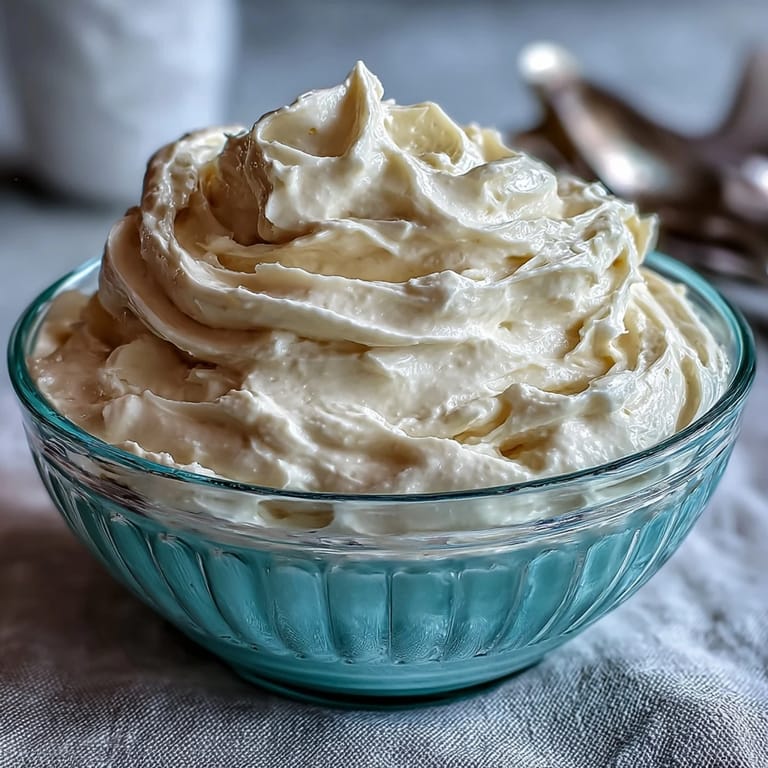
 Every time I whip up fresh mayo, it reminds me that some of the best kitchen moments are simple, quick, and utterly satisfying. Give it a try next time, and watch how it turns everyday meals into something special.
Recipe FAQs
- → How long does homemade mayonnaise last in the fridge?
Homemade mayonnaise should be refrigerated and used within 1 week for safety and quality.
- → Can I use different oils for mayonnaise?
Neutral oils like sunflower, canola, or light olive oil yield a mild flavor. Stronger oils change the taste.
- → Is it safe to use raw eggs in mayonnaise?
Use pasteurized eggs if concerned about safety. The traditional method uses fresh eggs at room temperature.
- → How can I make mayonnaise tangier?
Add up to 2 teaspoons of extra vinegar or lemon juice for a sharper, tangier flavor profile.
- → Can I add flavors like garlic to mayonnaise?
For a garlicky twist, blend in one small garlic clove for homemade aioli variation.