 Save to Pinterest
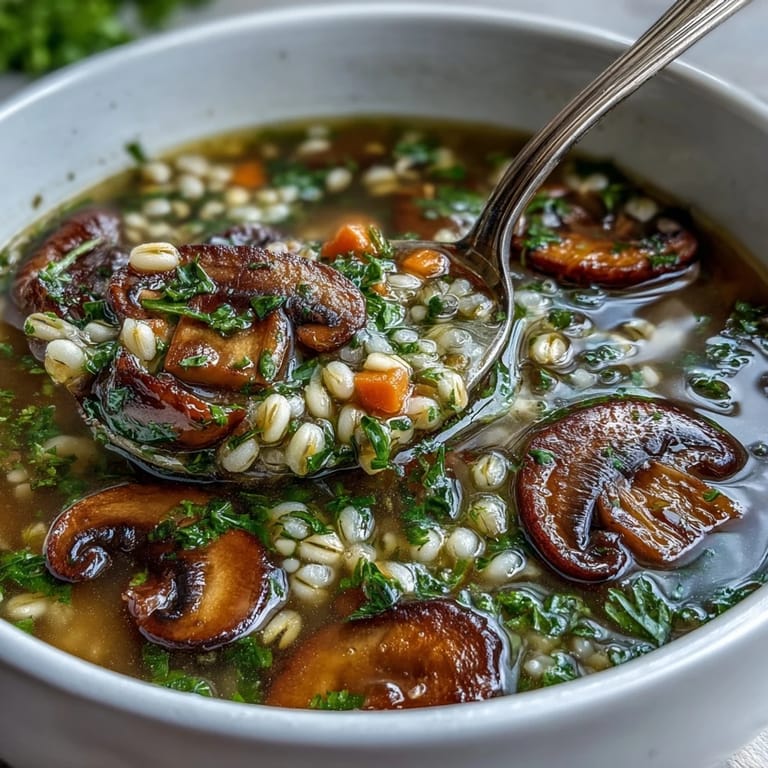
 There's something about the smell of mushrooms hitting hot oil that stops me mid-thought every time. I discovered this soup during a particularly gray November when my kitchen felt too quiet, and I needed something that would simmer quietly while I gathered my thoughts. The combination of earthy mushrooms and chewy barley creates this unexpectedly satisfying texture that makes you want to slow down with each spoonful. It's become my go-to when I want something nourishing without fussing, the kind of dish that tastes like it took hours but honestly doesn't.
I made this for my neighbor who'd just moved in, and she showed up at my door a week later with an empty container and a sheepish grin. She'd reheated it three times and was considering asking for seconds before she even tried it. That moment taught me that simple, honest food speaks louder than anything complicated ever could.
Ingredients
- Olive oil (2 tbsp): This is your foundation, so don't skimp on quality here—it carries the flavor of everything that follows and helps coax out the mushroom's earthiness.
- Onion (1 medium, finely chopped): The texture matters more than you'd think; chopping it fine lets it dissolve into the soup and builds that natural sweetness that makes people ask what the secret ingredient is.
- Garlic (2 cloves, minced): Mince it fine and add it early so it mellows into the background rather than shouting at you from the bowl.
- Carrots and celery (2 medium carrots and 2 stalks): This is your aromatic base, and dicing them uniformly means they'll cook at the same pace and create a cohesive texture.
- Mushrooms (400 g, sliced): Use cremini or button mushrooms—they're reliable and affordable, but cremini gives you slightly deeper flavor if you're feeling it.
- Dried thyme and oregano (1 tsp each): These dried herbs bloom when they hit the hot oil, so don't add them late or they'll taste dusty and flat.
- Pearl barley, rinsed (120 g): Rinsing removes excess starch and prevents the soup from becoming gluggy, plus it helps each grain stay distinct rather than turning into mush.
- Vegetable broth (1.5 liters): Quality matters here because it's literally half your soup—a good broth tastes clean and bright, while a mediocre one can make the whole thing taste one-dimensional.
- Bay leaf (1): This little leaf does quiet work, adding subtle depth that no single ingredient could manage alone, so remember to fish it out before serving.
- Salt, pepper, and optional lemon juice: Season at the end, not the beginning, because flavors concentrate as the soup simmers and you don't want to oversalt it.
- Fresh parsley (2 tbsp, optional): A handful of fresh herbs at the end brightens everything and makes it feel like you cared, even if it took barely any extra effort.
Tired of Takeout? 🥡
Get 10 meals you can make faster than delivery arrives. Seriously.
One email. No spam. Unsubscribe anytime.
Instructions
- Build your flavor base:
- Heat the olive oil in your large pot over medium heat, then add the chopped onion and let it sit for a full three minutes without rushing it—you're looking for that moment when it becomes translucent and soft, which signals that it's ready for the next ingredient. Listen for the gentle sizzle; if it's too quiet, turn up the heat slightly.
- Soften the supporting vegetables:
- Stir in the minced garlic, diced carrots, and celery, then cook for five minutes while stirring occasionally so nothing catches on the bottom. You'll notice the whole pot starting to smell more complex—that's your cue that things are progressing nicely.
- Coax out the mushroom magic:
- Add the sliced mushrooms and let them cook undisturbed for a minute or two, then start stirring as they begin to release their liquid and develop light brown edges. This takes six to eight minutes total, and it's worth the wait because you're building flavor rather than just heating things up.
- Wake up the herbs:
- Sprinkle in the dried thyme and oregano, stirring everything together so the herbs kiss the hot oil and awaken—you'll smell them immediately and know you've done it right.
- Bring it all together:
- Add your rinsed pearl barley, the vegetable broth, and the bay leaf, stirring gently to combine everything evenly. At this point, the pot should look intentional and balanced, like every ingredient knows its job.
- Let time do the heavy lifting:
- Bring the soup to a boil, then reduce the heat to low and simmer uncovered for thirty-five to forty minutes, or until the barley is tender and the soup has thickened just slightly. Stir it once or twice during this time, but mostly just let it be—this is when it becomes itself.
- Season with intention:
- Remove the bay leaf carefully, then taste the soup and season with salt, pepper, and a squeeze of lemon juice if you're using it—the lemon lifts everything and adds brightness that transforms a good soup into one you'll crave.
- Finish with presence:
- Ladle the soup into bowls and scatter fresh parsley over the top if you have it, letting each spoonful feel like it was made just for the person eating it.
 Save to Pinterest
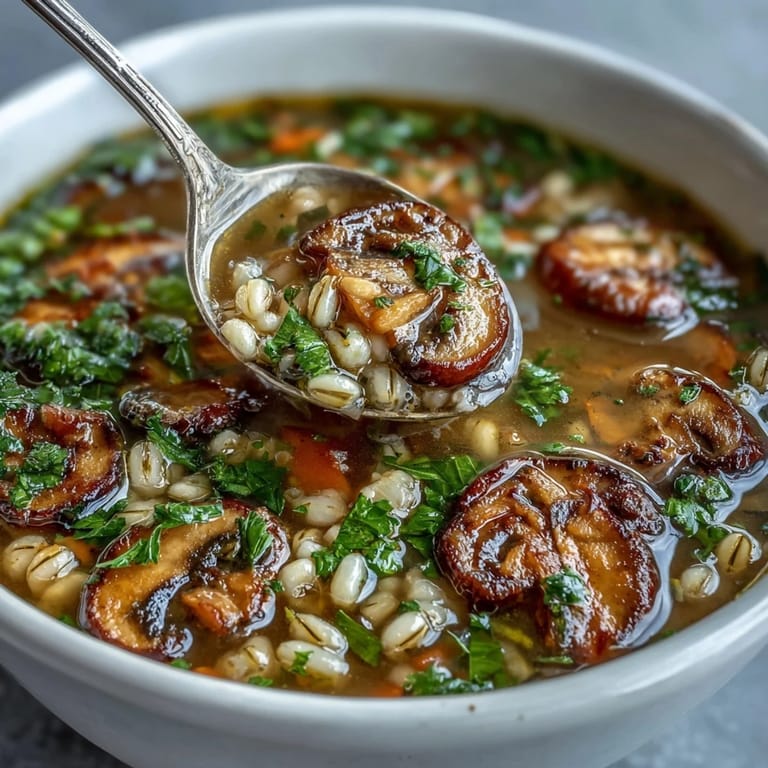
 My daughter surprised me by asking for this soup in her lunch box for three days straight, which might not sound like much until you realize she's the kid who usually campaigns for anything but vegetables. Sometimes the best meals are the ones that slip into your life so quietly that people don't realize they're being nourished.
Variations Worth Trying
This soup is genuinely flexible, which is part of why I come back to it so often. In late summer when my garden is overflowing, I've stirred in diced zucchini or fresh green beans in the last fifteen minutes, and the soup welcomed them like they'd always belonged there. A handful of chopped kale goes in about ten minutes before the soup finishes, wilting into the broth and adding a mineral-forward note that feels like you're eating something genuinely good for you. During heartier months, I've added diced potatoes from the start or stirred in a tablespoon of soy sauce with the broth for an umami boost that makes people sit up and take notice.
The Overnight Transformation
If you have time, make this soup a day ahead and refrigerate it overnight—the flavors settle and deepen in a way that feels almost magical. When you reheat it gently the next day, add a splash of fresh broth or water to restore the texture, and it tastes less like leftovers and more like a carefully considered meal. The barley softens further, the herbs mellow into something almost sweet, and the whole thing feels more cohesive and intentional than it did fresh.
Making It Your Own
The beauty of this soup is that it doesn't need permission to evolve with you and your kitchen. Every time you make it, you learn something small—maybe that you prefer your barley slightly firmer, or that an extra clove of garlic is exactly what it's been missing, or that a pinch of red pepper flakes adds a warmth that makes you want another bowl immediately. These tiny adjustments are how recipes become yours rather than just instructions you're following.
- Stir in a splash of balsamic vinegar at the very end for a subtle sweetness that rounds out all the earthiness.
- Top each bowl with a dollop of sour cream or a generous grating of sharp cheddar if you want richness without heaviness.
- Add fresh herbs like dill or chives right before serving for a brightness that feels like springtime even in the middle of winter.
 Save to Pinterest
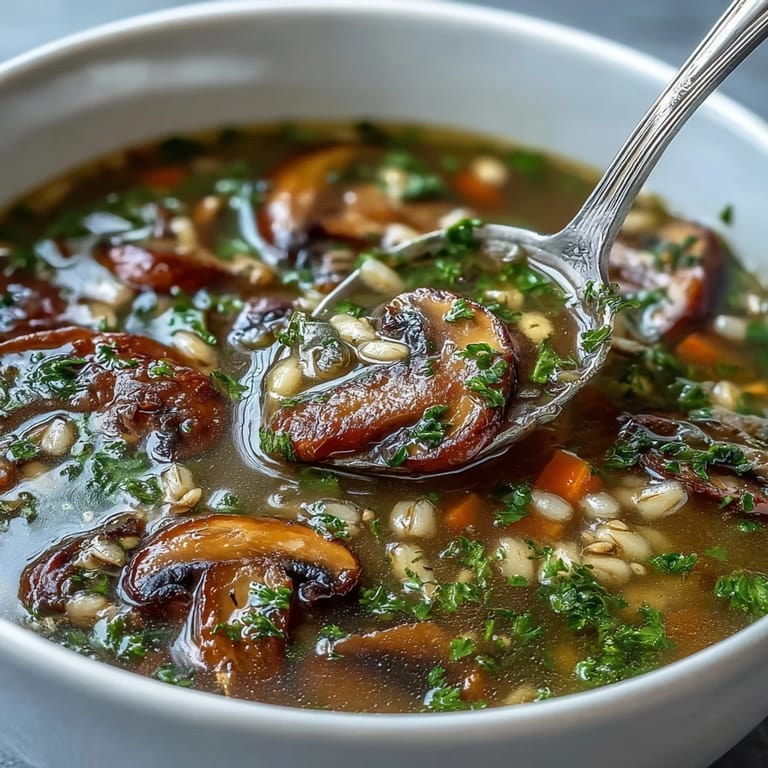
 This soup has a way of showing up exactly when you need it, warming you from the inside out in a way that feels like comfort wrapped in a bowl. Make it, share it, and let it become the dish people remember when they think of your kitchen.
Recipe FAQs
- → Is pearl barley gluten-free?
No, pearl barley contains gluten. If you need a gluten-free option, substitute with quinoa or rice and ensure your vegetable broth is certified gluten-free.
- → Can I make this soup ahead?
Absolutely. This soup keeps well in the refrigerator for up to 4 days and actually tastes better the next day as flavors continue to develop. The barley will absorb more liquid, so add extra broth when reheating.
- → What type of mushrooms work best?
Cremini or button mushrooms are recommended for their balance of flavor and texture. For deeper earthiness, try adding shiitake or portobello mushrooms. Dried porcini mushrooms can also be rehydrated and added for extra umami.
- → Can I freeze this soup?
Yes, freeze for up to 3 months. Note that the barley will continue absorbing liquid and may become softer after freezing. Thaw overnight in the refrigerator and reheat with additional vegetable broth to reach desired consistency.
- → How can I add more protein?
Stir in canned white beans or chickpeas during the last 15 minutes of cooking. For non-vegetarian versions, shredded chicken or browned ground turkey work well. A dollop of Greek yogurt when serving also adds protein.