 Save to Pinterest
 My kitchen smelled like a herb garden had exploded one Wednesday evening when I first discovered the magic of roasted cauliflower bowls. A friend had mentioned offhandedly that she'd stopped craving takeout after learning to roast vegetables properly, and I became determined to figure out her secret. Turns out, it wasn't complicated at all—just high heat, good olive oil, and the kind of seasoning that makes you pause mid-chew to appreciate what you're eating. Since then, this bowl has become my answer to the question "What's for dinner?" on nights when I want something that feels both nourishing and indulgent.
I made this for my sister on a Sunday when she announced she was trying to eat better, and I watched her actually finish an entire bowl without reaching for snacks afterward. She asked for the recipe immediately, which is always my favorite compliment. Now she texts me photos of her versions with different vegetable combinations, and I love knowing that something this simple sparked a real change in how she approaches cooking for herself.
Ingredients
- Cauliflower florets (1 large head): The star of the show deserves proper treatment—cut them into bite-sized pieces so they roast evenly and develop those irresistible crispy edges.
- Olive oil (2 tbsp for cauliflower, 1 tbsp for sauce): Good quality oil makes a noticeable difference here, especially since the tahini sauce relies on it for body and flavor.
- Oregano and thyme (1 tsp each, dried): These herbs hold their flavor through roasting and create that Mediterranean depth that makes people ask what's in here.
- Smoked paprika (1/2 tsp): This is the secret whisper that makes plain roasted vegetables taste intentional and sophisticated.
- Garlic powder and salt (1/2 tsp and 1/2 tsp): Season generously—roasting concentrates flavors but also diffuses them, so don't be timid.
- Basmati or jasmine rice (1 cup): The fluffy base matters more than you'd think; it soaks up the tahini sauce beautifully and adds textural contrast.
- Cherry tomatoes (1 cup, halved): Fresh tomatoes provide brightness and a burst of acidity that balances the richness of tahini.
- Cucumber (1 cup, diced): This adds cool, crisp texture and keeps the bowl from feeling heavy.
- Shredded carrots (1 cup): They add natural sweetness and visual pop without requiring any cooking.
- Red onion (1/4 cup, thinly sliced): Raw red onion brings a sharp, peppery note that wakes up your palate with each bite.
- Baby spinach or mixed greens (2 cups): Use fresh greens that you'd actually eat plain; they soften slightly from the warm rice but stay vibrant.
- Tahini (1/4 cup): Buy quality tahini from the international aisle—it's the foundation of your sauce and its flavor matters.
- Lemon juice (2 tbsp): Fresh lemon is non-negotiable; bottled simply won't give you the same brightness.
- Maple syrup or honey (1 tsp): Just a touch balances the earthiness of tahini and prevents the sauce from tasting bitter.
Tired of Takeout? 🥡
Get 10 meals you can make faster than delivery arrives. Seriously.
One email. No spam. Unsubscribe anytime.
Instructions
- Heat your oven and prep your workspace:
- Preheat to 425°F and line a baking sheet with parchment paper—this prevents sticking and makes cleanup almost joyful. Get everything else ready now so you're not scrambling once things start cooking.
- Coat the cauliflower generously:
- In a large bowl, toss the florets with olive oil and all the seasonings until every piece is evenly covered and glistening. Don't be shy; the oil helps them crisp up, and the herbs need distribution for consistent flavor.
- Spread and roast with intention:
- Arrange the cauliflower on the baking sheet in a single layer so pieces can get golden rather than steam. About halfway through the 25–30 minute roast, give the pan a shake or toss the florets so they brown evenly on all sides.
- Start your rice while cauliflower roasts:
- Bring rinsed rice, water, and salt to a boil in a saucepan, then immediately lower heat to the gentlest simmer and cover. Let it sit undisturbed for 15 minutes, then fluff with a fork—the steam does the work if you let it.
- Whisk the tahini sauce to silky perfection:
- Combine tahini, lemon juice, water, olive oil, maple syrup, garlic powder, salt, and pepper in a bowl and whisk until completely smooth. If it's too thick, add water one tablespoon at a time until it reaches a pourable consistency that still clings to the back of a spoon.
- Build your bowl with care and intention:
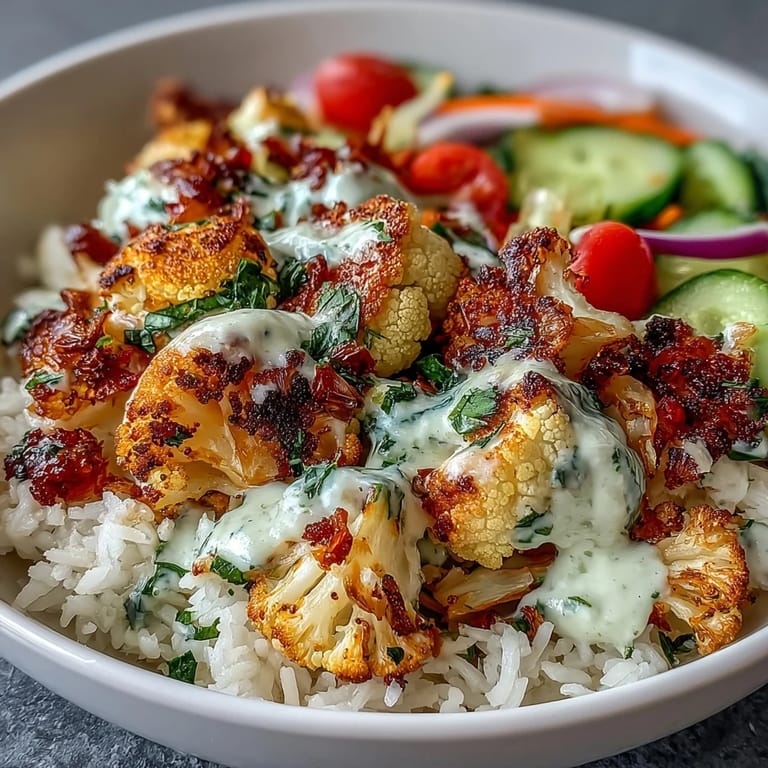
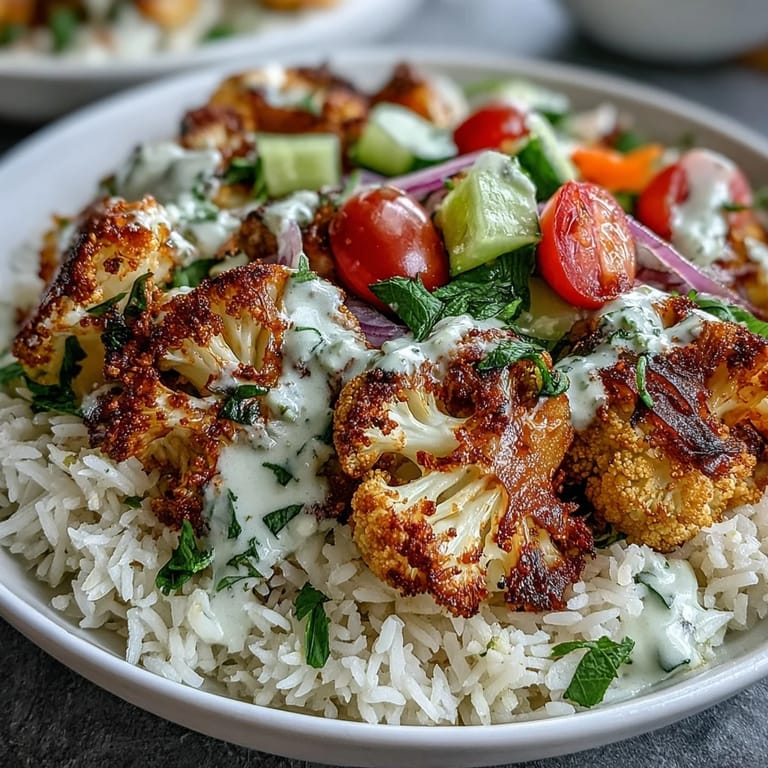
- Start with a generous base of fluffy rice, then layer spinach so it slightly wilts from the warmth. Top with roasted cauliflower, then arrange the fresh vegetables around it like you're creating something beautiful, because you are.
- Finish with the drizzle and serve:
- Pour tahini sauce over the entire bowl in a generous zigzag so every spoonful gets some. Serve immediately while the cauliflower is still warm and the greens are still crisp.
 Save to Pinterest
 There's a moment when you first taste this bowl that everything just clicks—the warm spiced cauliflower against cool fresh vegetables, the creamy tahini sauce finding its way into every corner. I realized then that this wasn't just a healthy meal; it was the kind of food that makes you feel genuinely taken care of.
Why This Bowl Works So Well
The secret to this bowl's appeal is contrast—temperature, texture, flavor, everything works against and alongside each other to keep your interest through every bite. The warm roasted cauliflower and rice ground the bowl, while the fresh vegetables and tahini sauce provide brightness and richness. It's the kind of dish that tastes more complex than it actually is, which is exactly why people keep coming back to it.
Making It Your Own
This bowl is a canvas, and I've watched people transform it based on what they have on hand or what they're craving. Some add crispy chickpeas for extra protein, others swap in grilled tofu or crumbled feta cheese. I once had a version with quinoa instead of rice and a scattering of pomegranate seeds, and it was transcendent in a completely different way.
Storage and Serving Strategy
The tahini sauce keeps beautifully in the refrigerator for up to three days, which means you can make it ahead and transform whatever vegetables you have into a bowl on a moment's notice. I like to store the roasted cauliflower in an airtight container and reheat it gently in a 350°F oven for about five minutes to restore some of its crispness, though it's equally good at room temperature. The only component that doesn't store well is assembled and dressed—the greens will wilt and the rice will absorb too much sauce—so I keep everything separate and come together just before eating.
- Prep your vegetables the night before and store them in airtight containers to make assembly almost meditative in the morning.
- If you're packing this for lunch, keep the tahini sauce in a separate container and dress it right before eating.
- Leftovers are actually better the next day as the flavors meld together, though the roasted cauliflower is best enjoyed fresh.
 Save to Pinterest
 This roasted cauliflower bowl has become one of those recipes I make without thinking, the way other people make pasta. It's nourishing enough to feel intentional and simple enough to feel effortless, which might be the highest compliment a recipe can receive.
Recipe FAQs
- → How do I get the cauliflower perfectly roasted?
Cut the cauliflower into evenly-sized florets and toss thoroughly with olive oil and spices. Spread in a single layer on your baking sheet without overcrowding. Roast at 425°F for 25-30 minutes, tossing halfway through, until edges are golden brown and pieces are tender when pierced with a fork.
- → Can I make this bowl ahead of time?
You can roast the cauliflower and cook the rice up to 3 days in advance. Store them separately in airtight containers in the refrigerator. The tahini sauce also keeps well for up to 3 days when refrigerated. Assemble bowls fresh when ready to serve, adding the crisp vegetables just before eating.
- → What other grains work well in this bowl?
Quinoa makes an excellent protein-rich alternative to rice. Brown rice adds nutty flavor and extra fiber, though it requires longer cooking time. Farro, bulgur, or even couscous would work beautifully. Adjust cooking liquid and time according to your chosen grain's package instructions.
- → How can I add more protein to this bowl?
Chickpeas roasted alongside the cauliflower add plant-based protein and satisfying texture. Grilled or baked tofu cubes absorb flavors wonderfully. Pan-seared tempeh, a soft-boiled egg, or even shredded rotisserie chicken would complement the existing ingredients without overpowering the dish.
- → My tahini sauce is too thick or separates—what went wrong?
Tahini naturally thickens when mixed with cold ingredients. Start with room temperature tahini and add water gradually, whisking continuously. If the sauce appears separated, keep whisking—it will emulsify into a smooth cream. Adjust with more water, one tablespoon at a time, until you reach drizzle consistency.
- → Can I roast the vegetables together with the cauliflower?
The cherry tomatoes could be added to the baking sheet during the last 10 minutes of roasting time. However, cucumber, carrots, and fresh spinach are best enjoyed raw for their crisp texture and refreshing contrast to the warm, roasted cauliflower. This creates a pleasing mix of temperatures in each bite.