 Save to Pinterest
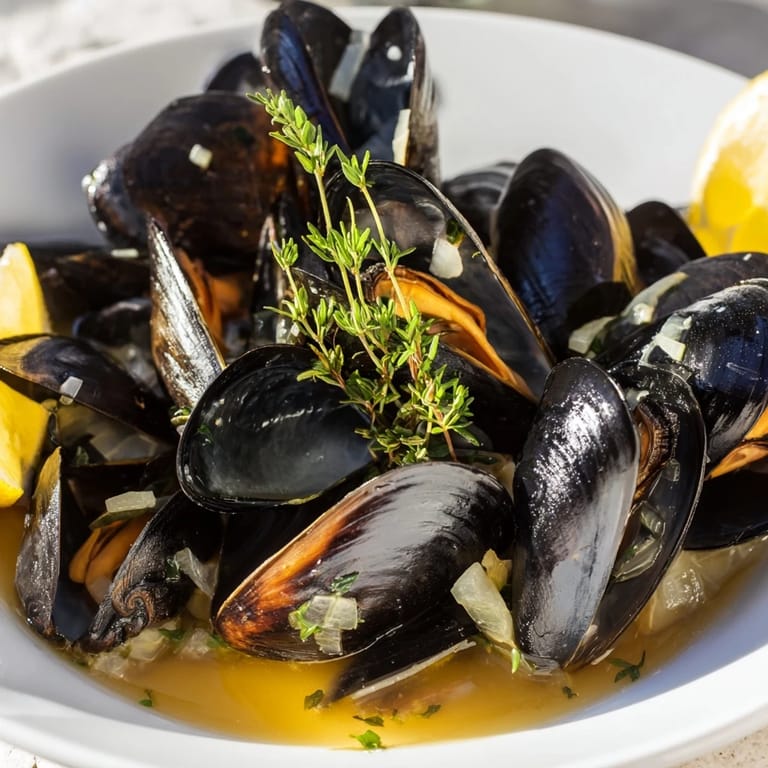
 The first time I truly understood moules marinière was standing in a tiny Brussels café on a grey afternoon, watching a server set down a steaming pot with such casual confidence that I knew this dish belonged to people who grew up eating it. The aroma—white wine, garlic, and that unmistakable briny whisper of the sea—made me lean in before I even lifted my fork. I've made it countless times since, and every time those shells crack open, I'm reminded that the best dishes are often the simplest ones.
I made this for my partner one cold November evening after a long week, and something about the ritual of it—the gentle sizzle of shallots, the wine hitting the hot pan, the steam rising when the lid came down—felt like the kitchen was breathing with us. We ate straight from the pot with torn bread, our hands messy, the broth dripping down our wrists, and honestly, that's when I knew this recipe was keeper material.
Ingredients
- Fresh live mussels (2 kg): Look for tightly closed shells or ones that snap shut when tapped—open ones are old and should go straight to the compost. Scrub and debeard them just before cooking; soaking them in water with cornmeal for 30 minutes before cooking helps purge any sand, though it's not absolutely necessary if you're in a hurry.
- Shallots (2 medium, finely chopped): These are sweeter and more delicate than onions, and they dissolve almost silently into the wine and broth. If you can't find shallots, one small yellow onion works, but the flavor won't be quite as refined.
- Garlic (2 cloves, minced): Don't skip this or go heavy-handed; you want it to whisper in the background, not shout. Mince it finely so it spreads through the broth evenly.
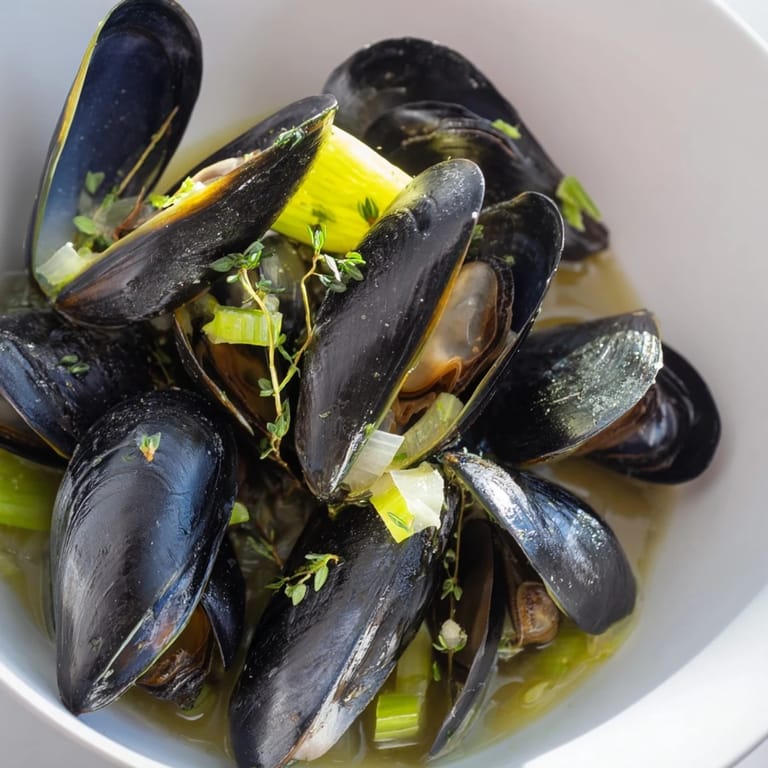
- Leek and celery: These build the aromatic foundation that makes the broth taste alive and complex. The leek's white part is milder than the green and dissolves into the liquid, while celery adds an almost savory sweetness.
- Fresh flat-leaf parsley: Stir this in at the very end so it stays bright and herbaceous, not cooked into submission. It's what lifts the whole dish at the last moment.
- Thyme and bay leaf: These two herbs are your secret weapon for depth; they infuse the wine gently and make everything taste intentional.
- Dry white wine (300 ml): Use something you'd actually drink—this is not the time for the cooking wine that's been in your cupboard for three years. The wine becomes the soul of the broth.
- Olive oil (2 tbsp): This is your base for sautéing the aromatics; it keeps everything from sticking and adds a whisper of richness.
- Black pepper and sea salt: Mussels are naturally salty from the sea, so taste before you season. A few cracks of pepper at the end is all you usually need.
- Lemon wedges: These are non-negotiable; they cut through the richness and make every bite feel fresh and bright.
Tired of Takeout? 🥡
Get 10 meals you can make faster than delivery arrives. Seriously.
One email. No spam. Unsubscribe anytime.
Instructions
- Clean your mussels like you mean it:
- Run each one under cold water while holding it firmly, scrubbing away any grit or barnacles with your fingers or a brush. Give each mussel a gentle tap on the counter—if it doesn't close immediately, it's dead or dying and needs to go. This takes five minutes, and it's the most important five minutes of the whole dish.
- Build your flavor base:
- Heat olive oil in your largest pot over medium heat, then add the chopped shallots, garlic, leek, and celery. You're not trying to brown them; you want them to soften and release their sweetness into the oil, which takes about 3 to 4 minutes. The kitchen should smell incredible at this point—if it doesn't, you're not there yet.
- Add your herbs and wine:
- Stir in the thyme and bay leaf, then pour in the wine. Listen for that gentle sizzle and watch as the wine loses its sharp edge. Bring it to a soft simmer and let it sit for a minute or two, just so the flavors start dancing together.
- Welcome the mussels:
- Pour all your cleaned mussels into the pot in one generous tumble. They'll fall through the liquid and settle on the bottom, nestling against the aromatics. Immediately clap the lid on tight and turn the heat up to high.
- Steam with intention:
- Set a timer for 5 to 7 minutes, but start checking at the 5-minute mark by lifting the lid and giving the pot a gentle shake. The mussels will open in waves—some immediately, some needing another minute or two. Discard any that stubbornly refuse to open; they're not worth the risk.
- Finish with brightness:
- Once all the mussels have opened, pull the pot from the heat and scatter the chopped parsley over everything. Give it a stir, crack some black pepper over the top, and taste a spoonful of broth. Only add salt if it truly needs it; the mussels and sea spray usually do the job for you.
 Save to Pinterest
 My grandmother once told me that mussels were the food of fishermen because they were free, plentiful, and could turn a handful of pantry staples into something magnificent. Cooking this dish makes me understand exactly what she meant—there's a kind of poetry in watching someone's face light up when they taste that broth for the first time.
The Art of the Broth
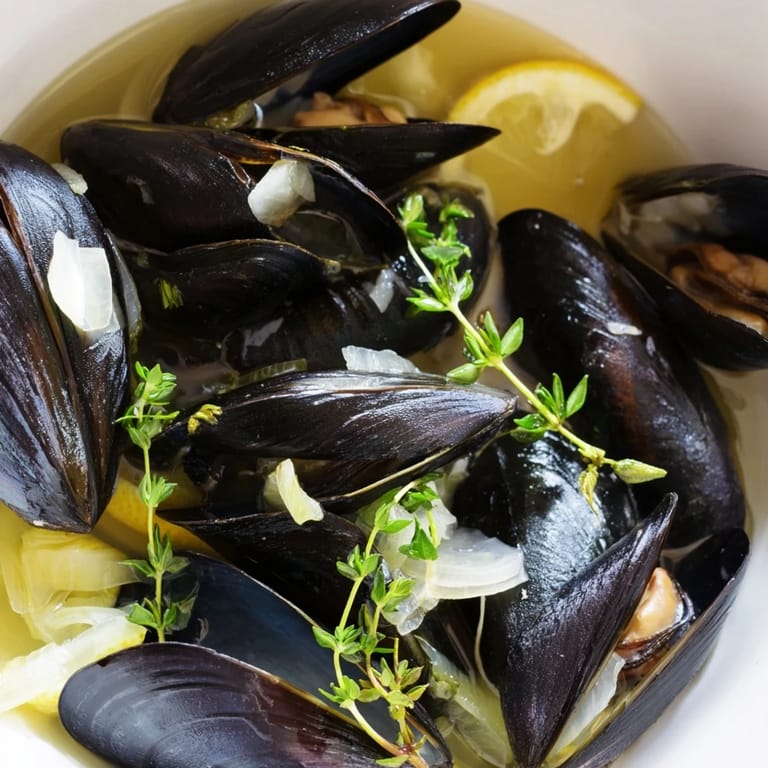
The broth is genuinely the star here, and I learned this the hard way by serving it in shallow bowls to guests who couldn't get enough bread to soak it all up. The wine mellows into something almost creamy over those few minutes of steaming, picking up the salinity of the mussels and the sweetness of the shallots. If you want to push it even further, stir in a tablespoon or two of cold butter right at the end—it sounds fancy, but it just makes everything taste a little more velvety and complete.
Timing and Preparation
The reason this dish works so beautifully on a weeknight is that most of the time is actually just passive steaming. Your active cooking time is genuinely about 10 minutes, which means you can be chopping and sautéing while your dinner guests are pouring wine and settling in. Do all your prep before you start cooking—once the mussels hit the pot, you're committed and moving quickly.
Serving and Pairing
In Belgium, moules marinière is often served with fries and mayonnaise, which sounds wild until you realize how perfectly those crispy, salty fries work as both a vehicle for the broth and a counterpoint to its richness. Crusty bread is the more elegant route if you're feeling refined, but honestly, eat it however makes you happiest. A crisp white wine alongside—something similar to what you cooked with—is the only other thing you really need.
- Tear your bread into chunks before sitting down; it's easier to manage and feels more convivial.
- Have small bowls nearby for the empty shells so the table doesn't turn into a graveyard of discarded shells.
- Serve this family-style straight from the pot if you're comfortable with it; there's something about eating together like this that makes the whole meal taste better.
 Save to Pinterest
 Every time I make this, I'm reminded that the best meals are the ones that come together without fuss, where the ingredients speak for themselves and everyone at the table gets loud and happy. This is that dish.
Recipe FAQs
- → How do you clean mussels properly?
Rinse mussels under cold water, scrub shells to remove debris, and discard any that are cracked or won’t close when tapped.
- → What herbs enhance the flavor in moules marinière?
Thyme, bay leaf, and flat-leaf parsley add aromatic and fresh herbal notes to the steaming broth.
- → Can other liquids replace white wine for steaming?
Dry white wine is preferred for its acidity and aroma, but seafood or vegetable stock can be used as an alternative to maintain moisture.
- → What side dishes pair well with steamed mussels?
Belgian fries (frites), crusty bread, or a light salad complement the rich broth and briny mussels perfectly.
- → How long should mussels be cooked?
Steam mussels for about 5 to 7 minutes until most have opened; discard any unopened shells to ensure safety and quality.