 Save to Pinterest
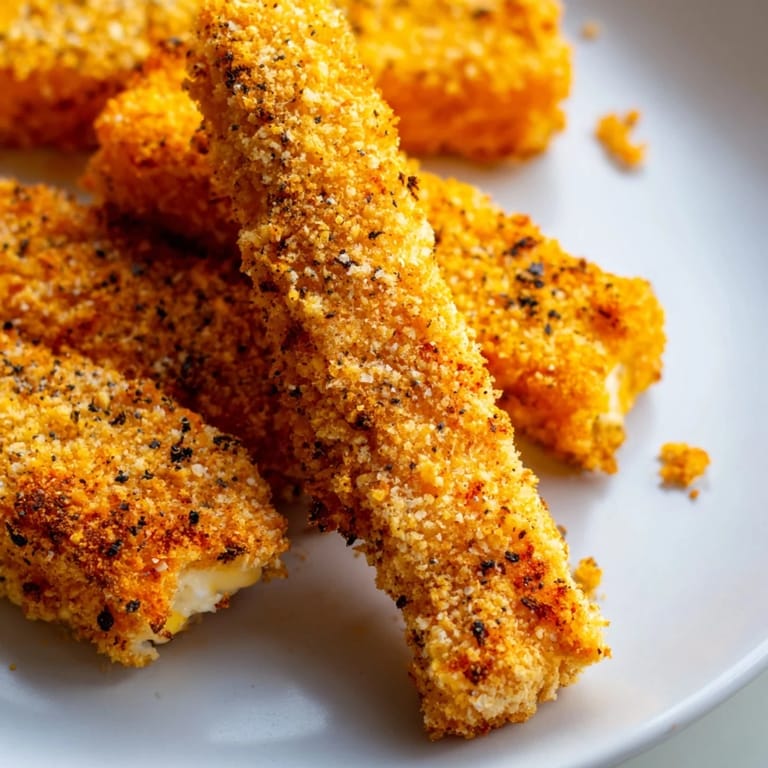
 My friend Layla brought a plate of these to a potluck last spring, and I watched them disappear in under five minutes. The golden crust crackled with every bite, and the warm, squeaky cheese inside had everyone reaching for seconds before I even got one. I cornered her in the kitchen and demanded the recipe. She laughed and said it was almost too easy to share, but she did anyway, and now I make them every time I need something that looks impressive but doesn't stress me out.
I made these for my sister's birthday last summer, and she ate four pieces standing at the counter before anyone else arrived. She kept dipping them in hot sauce and squeezing lemon over the top, and the look on her face was pure joy. I realized then that some recipes don't need to be complicated to become someone's favorite. Sometimes all you need is cheese, heat, and something crunchy.
Ingredients
- Halloumi cheese: This firm, salty cheese is the star here because it doesn't melt into a puddle when you fry it, and the slight squeak when you bite into it is part of the charm.
- Panko breadcrumbs: Japanese-style breadcrumbs create a lighter, airier crust than regular breadcrumbs, and they stay crispier longer, which matters when you are serving a crowd.
- All-purpose flour: This first layer helps the egg stick, and seasoning it with pepper and paprika means every coating stage adds flavor.
- Eggs: Beaten eggs act as the glue between the flour and panko, and I always use two because one never seems like enough for even coverage.
- Black pepper: Freshly ground pepper adds a gentle heat that complements the salty halloumi without overwhelming it.
- Smoked paprika: Optional but worth it for a subtle smoky undertone that makes people ask what the secret ingredient is.
- Lemon: A squeeze of fresh lemon juice cuts through the richness and wakes up the whole dish.
- Hot sauce: I like something vinegary and bright, but use whatever makes you happy.
- Neutral oil: Sunflower or canola works best because they can take the heat without smoking or adding flavor.
Tired of Takeout? 🥡
Get 10 meals you can make faster than delivery arrives. Seriously.
One email. No spam. Unsubscribe anytime.
Instructions
- Prep the halloumi:
- Pat the halloumi dry with paper towels so the coating sticks properly, then slice it into batons about half an inch thick. The drier the cheese, the better the crust will cling.
- Set up your breading station:
- Arrange three plates or shallow bowls in a row with flour on the first, beaten eggs in the second, and panko on the third. Season the flour with black pepper and smoked paprika if using.
- Coat each piece:
- Dredge a halloumi piece in the seasoned flour, shake off the excess, dip it in the egg, then press it firmly into the panko to coat all sides. I like to press the crumbs on with my palms so they really stick.
- Heat the oil:
- Pour the oil into a large frying pan and heat over medium-high until it shimmers but doesn't smoke. You want it hot enough that a breadcrumb dropped in sizzles immediately.
- Fry in batches:
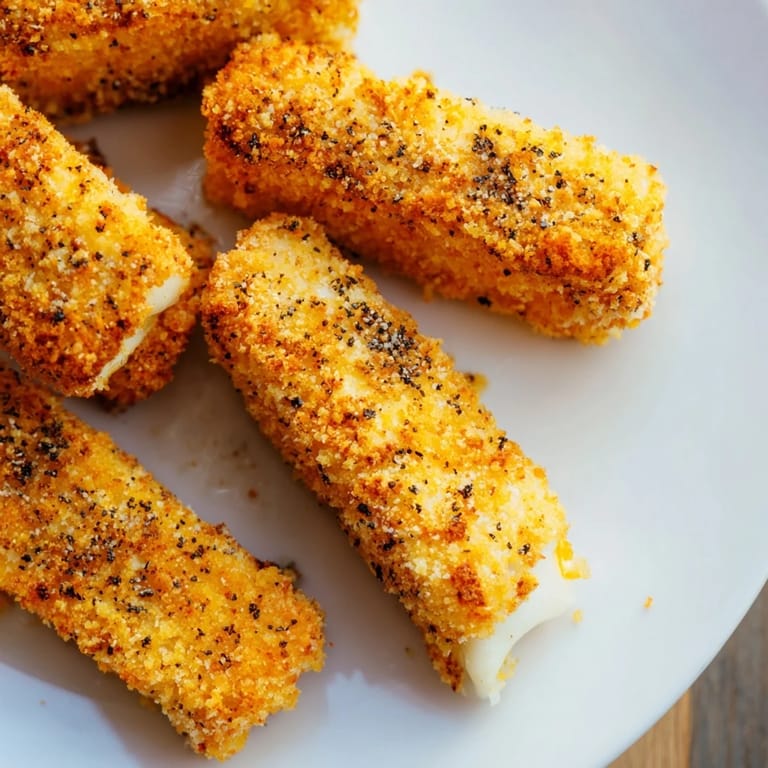
- Add the coated halloumi pieces to the hot oil without crowding the pan, and fry for two to three minutes per side until deep golden brown. Flip them gently with tongs to avoid knocking off the crust.
- Drain and serve:
- Lift the fried halloumi out with a slotted spoon and let them drain on a plate lined with paper towels. Serve hot with lemon wedges and your favorite hot sauce on the side.
 Save to Pinterest
 The first time I served these at a dinner party, my friend Tom ate six pieces and then asked if I had any more hidden in the kitchen. I didn't, but I took it as the highest compliment. There's something about watching people enjoy food you made that feels better than any recipe turning out exactly right. These crispy little bites have become my go-to whenever I want to make people happy without spending all day in the kitchen.
Choosing Your Halloumi
Not all halloumi is created equal, and I learned this the hard way when I bought a budget brand that turned rubbery and sad when fried. Look for halloumi that feels firm but not rock-hard in the package, and if you can, go for a brand from Cyprus or one that lists sheep's milk in the ingredients. The texture and flavor are noticeably better, and it's worth the extra dollar or two. I also like to taste a small piece raw before I start cooking, just to gauge how salty it is, because some brands are more aggressive than others.
Oil Temperature Matters
I used to think any hot oil would do, but frying halloumi taught me that temperature control is everything. If the oil is too cool, the breading soaks up grease and turns soggy. If it's too hot, the outside burns before the cheese warms through. I aim for that sweet spot where a breadcrumb sizzles on contact but doesn't brown instantly, and I adjust the heat between batches if I notice things getting too dark or too pale. A cooking thermometer helps, but after a few tries, you will know the right shimmer by sight.
Serving Suggestions and Extras
These are perfect on their own, but I have served them alongside a simple arugula salad dressed with olive oil and lemon, and the peppery greens balance the richness beautifully. A yogurt dip with garlic and fresh herbs is another favorite, especially if you want something cooling to offset the heat from the hot sauce. Sometimes I add a pinch of dried oregano or chili flakes to the panko for a little extra kick, and it never fails to get compliments.
- Try adding a drizzle of honey over the top for a sweet and salty contrast that surprises people in the best way.
- Serve them on a wooden board with small bowls of different dipping sauces so everyone can customize their bites.
- Leftovers reheat well in a hot oven at 200°C for about five minutes, though they rarely last long enough to become leftovers.
 Save to Pinterest
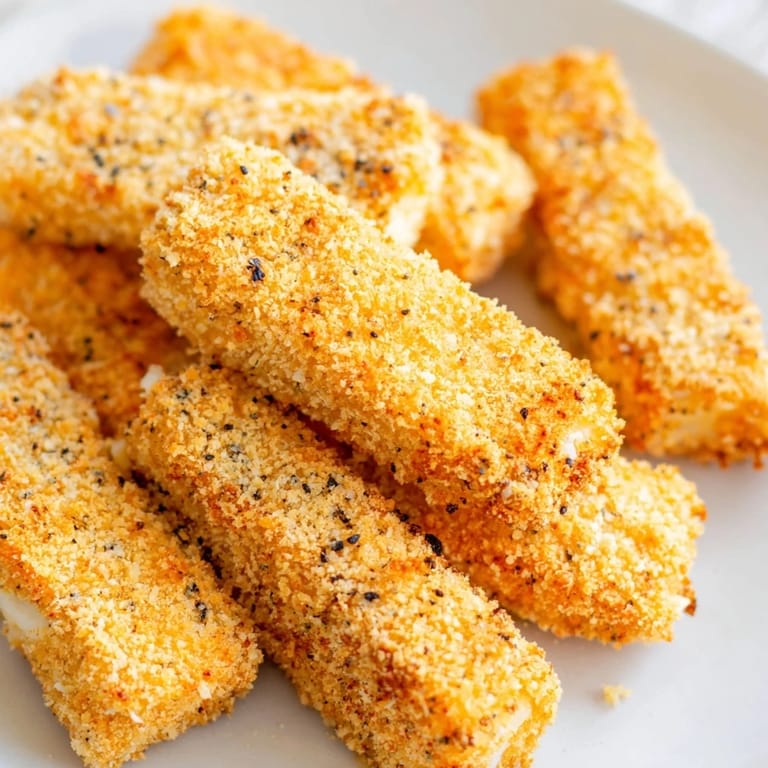
 Every time I make these, I'm reminded that the best recipes are the ones that make cooking feel like a gift instead of a chore. I hope these crispy golden bites bring as much joy to your table as they have to mine.
Recipe FAQs
- → Why does halloumi work so well for frying?
Halloumi has a high melting point, which means it softens without losing its shape when fried. This unique characteristic allows it to develop a crispy, golden exterior while maintaining a tender interior, making it ideal for this cooking method.
- → Can I prepare the halloumi ahead of time?
Yes, you can coat the halloumi pieces up to 2 hours in advance and refrigerate them on a baking sheet. Cold cheese fries slightly slower, giving the coating more time to crisp up. Fry directly from the refrigerator without thawing for best results.
- → What's the best oil temperature for frying?
Heat the oil until it shimmers and a small piece of panko sizzles immediately upon contact. This typically occurs around 175°C (350°F). If the oil isn't hot enough, the coating will absorb excess oil and become greasy rather than crispy.
- → How can I make this dairy-free?
Unfortunately, halloumi is a cheese product, so it naturally contains milk. However, some specialty stores carry plant-based halloumi alternatives that can be fried using this same method. Check the packaging for frying suitability before using.
- → What are good serving alternatives to hot sauce?
Tzatziki, Greek yogurt with garlic and herbs, aioli, or a simple chimichurri sauce complement halloumi beautifully. A squeeze of fresh lemon juice alone is also refreshing. For a Mediterranean twist, try serving with a fig or honey-based dipping sauce.
- → Can I bake this instead of frying?
While baking produces a less crispy result, you can brush the coated halloumi with oil and bake at 200°C (400°F) for 10-12 minutes. For the crispiest texture and authentic crust, shallow frying remains the preferred method.