 Save to Pinterest
 The first time I watched fondue being made, I was mesmerized by the transformation—watching two golden cheeses melt into something glossy and inviting felt like witnessing kitchen magic. My grandmother's fondue pot sat in the center of the table like a warm beating heart, and suddenly everyone had a fork and a purpose. There's something about passing food through the same pot that makes people relax into conversation, and I realized fondue isn't really about the cheese at all—it's about creating a moment where nobody wants to leave the table.
I made this for friends on a snowy evening when we all showed up without real plans, just wanting somewhere warm to be together. Someone brought wine, someone else brought vegetables from the market, and I stirred this pot while we talked about everything that mattered and nothing that did. By the end of the night, people were fishing for the last bread cubes, and I knew I'd found something worth making again and again.
Ingredients
- Gruyère cheese, grated (200 g): This is where the depth comes from—nutty and slightly sharp, it's the foundation that keeps fondue from tasting flat or one-dimensional.
- Emmental cheese, grated (200 g): Milder and creamier than Gruyère, it softens the edges and helps everything melt into that luxurious texture you're after.
- Dry white wine (1 cup / 240 ml): Don't use your cooking wine unless you'd actually drink it—the wine is where the fondue gets its subtle tang and elegance.
- Kirsch (1 tbsp / 15 ml): The cherry brandy is optional but it's the secret that makes people pause and ask what makes this taste different from other fondues they've had.
- Cornstarch (1 tbsp / 8 g): This prevents the cheese from separating and becoming grainy—it's insurance against a broken sauce, learned from mistakes I'd rather not repeat.
- Garlic clove, halved: Just for rubbing the pot; it ghosted flavor without overwhelming the cheese, which is exactly what you want.
- Freshly grated nutmeg (1/4 tsp): A whisper of warmth that makes people feel cozy without knowing why—this is where the Swiss tradition lives.
- Ground white pepper (1/4 tsp): Sharper than black pepper and less visually jarring, it keeps everything silky and refined.
- Bread cubes from a baguette or crusty loaf: Slightly stale bread clings to the fork better and won't fall into the pot, which I learned after losing my first dozen cubes.
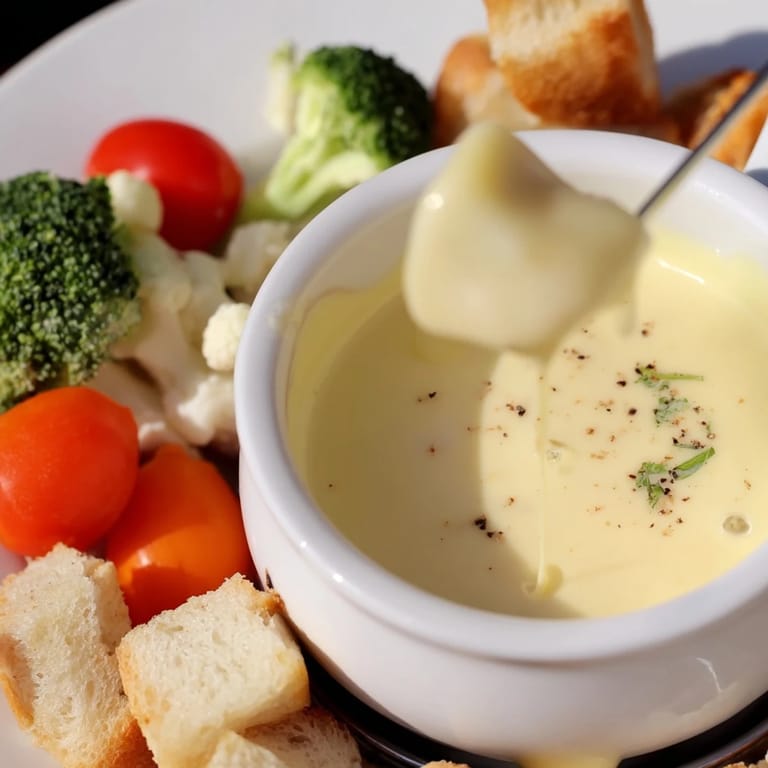
- Blanched broccoli and cauliflower florets (1 cup each / 100 g each): A little pre-cooking stops them from being too raw, and they become vehicles for that creamy cheese.
- Cherry tomatoes (1 cup / 100 g): Bright and tart, they cut through the richness with every bite.
- Baby carrots, blanched (1 cup / 100 g): Sweet and tender once briefly cooked, they're the vegetable people reach for when they want something grounding.
Tired of Takeout? 🥡
Get 10 meals you can make faster than delivery arrives. Seriously.
One email. No spam. Unsubscribe anytime.
Instructions
- Prepare the pot:
- Rub the inside of your fondue pot with the cut garlic clove, then discard it—this is aromatics without assault. The faint scent of garlic will drift through the melting cheese, adding complexity without announcing itself.
- Heat the wine:
- Pour in your white wine and let it warm over medium-low heat until it just begins to simmer. You'll see the gentlest movement on the surface; this is your cue that it's ready for the cheese.
- Coat the cheese:
- In a small bowl, toss your grated Gruyère and Emmental with cornstarch until every strand is lightly dusted. This step prevents clumping and keeps the fondue silky instead of grainy.
- Melt gradually and stir:
- Add the cheese to the hot wine in three or four additions, stirring constantly in a figure-eight motion—this movement keeps the heat distributed and prevents any part from cooking too fast. Watch it transform from separate shreds into something unified and glossy, which takes about four or five minutes total.
- Season and warm:
- Stir in the kirsch if using, then add the nutmeg and white pepper, tasting as you go. Keep the heat low and the fondue moving gently; it should never bubble aggressively or the cheese will tighten.
- Set up for serving:
- Transfer the pot to your tabletop burner, adjusting the flame so the fondue stays warm and flowing without a vigorous simmer. Hand out your fondue forks, arrange your bread and vegetables, and let people take the lead.
 Save to Pinterest
 I'll never forget the moment when someone took the last bread cube, dipped it deeply into the pot, and said this was the most intimate meal they'd eaten in months—nobody was rushing, nobody was checking their phone. That's when I understood that fondue isn't about the ingredients; it's about creating a reason for people to stay close and present together.
The Art of Dipping
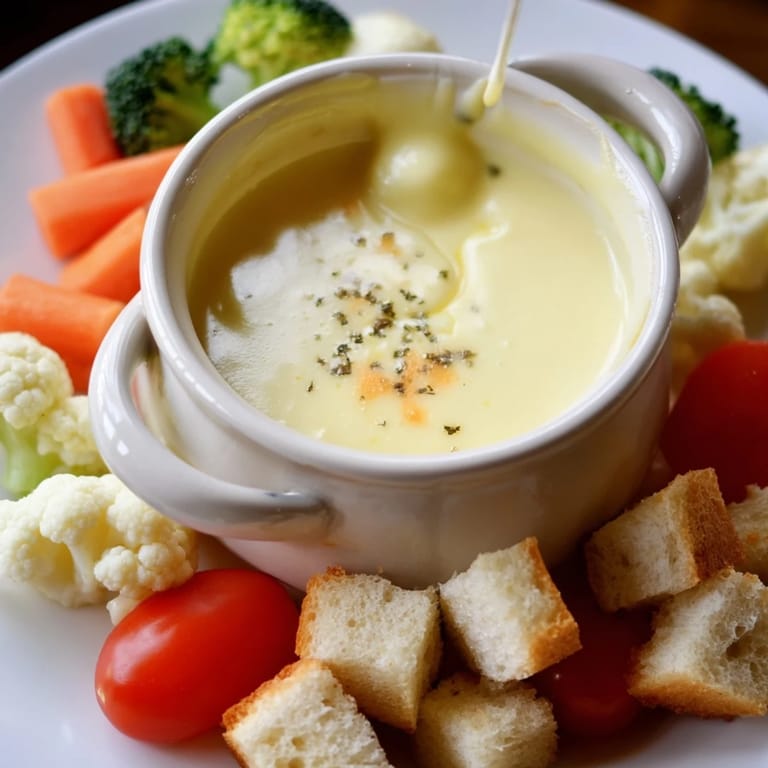
There's a rhythm to fondue that isn't mentioned in recipes but matters enormously—the way people naturally slow down when they have to care about not losing their food. Slightly stale bread is less likely to slip off the fork, and vegetables that are blanched first cook through in the warm cheese rather than staying raw. I've learned to cut bread pieces consistent in size because uniformity means everyone gets the same satisfaction, which somehow matters more than you'd think.
Wine Pairings and Traditions
Swiss tradition pairs fondue with crisp white wines or light lagers, and there's real wisdom in that pairing—the acidity and carbonation cut through the richness and cleanse your palate between dips. When you're sharing one pot, a good drink in your other hand transforms the meal from eating into something more social and celebratory. I've found that people naturally pace themselves better when there's wine to sip, and the whole evening unfolds more gracefully.
Variations and Personal Touches
Once you understand the basic technique, fondue becomes a canvas for your own preferences and what you have on hand. I've added a touch of Appenzeller for deeper complexity, stirred in fresh thyme before serving, and even experimented with smoked paprika when I wanted something unexpected. The foundation stays the same—cheese, wine, starch, heat, and patience—but the variations are endless.
- Try substituting a quarter of the cheese with Appenzeller for a more assertive, slightly spicy flavor that stands out.
- Add fresh herbs like thyme or rosemary after the cheese melts if you want an earthy undertone.
- Experiment with your dipping options—roasted mushrooms, apple slices, cured ham, or even small boiled potatoes all work beautifully.
 Save to Pinterest
 Fondue teaches you that the best meals aren't about perfection—they're about invitation and presence. Make this when you want to slow down together.
Recipe FAQs
- → What cheeses are best for this dish?
Gruyère and Emmental cheeses create the ideal melt and flavor balance in this dish. For a stronger taste, Appenzeller can be mixed in.
- → Can kirsch be omitted?
Yes, kirsch is optional. It adds a subtle cherry brandy flavor but the dish remains delicious without it.
- → How can I prevent bread cubes from falling off the forks?
Using slightly stale bread helps cubes hold better on fondue forks, making dipping easier and less messy.
- → What is the purpose of cornstarch in the mixture?
Cornstarch helps to thicken and stabilize the melted cheese blend, preventing separation and ensuring a smooth texture.
- → What are some suitable dippers besides bread?
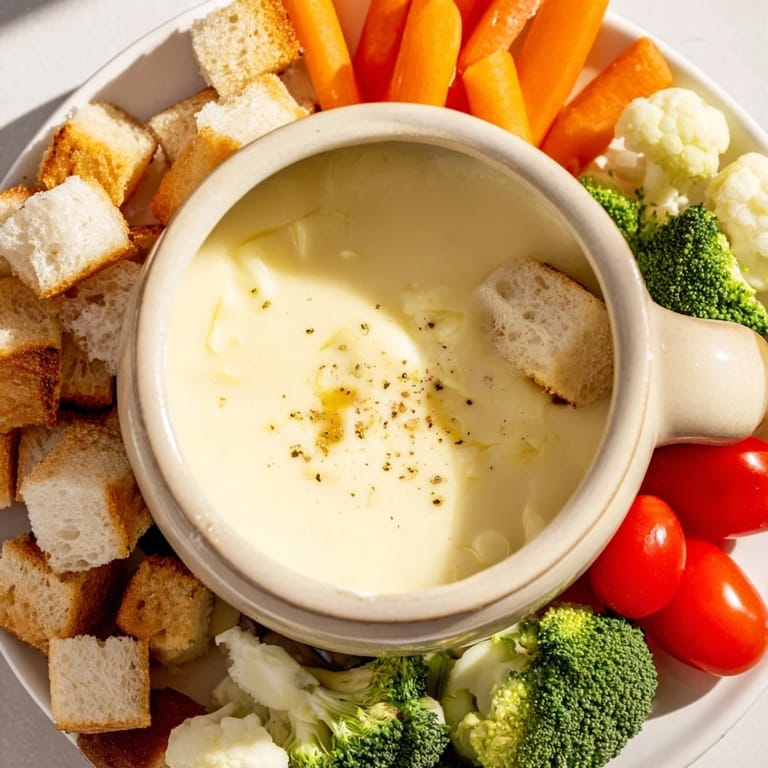
Blanched vegetables like broccoli, cauliflower, cherry tomatoes, and baby carrots offer fresh, crisp alternatives for dipping.