 Save to Pinterest
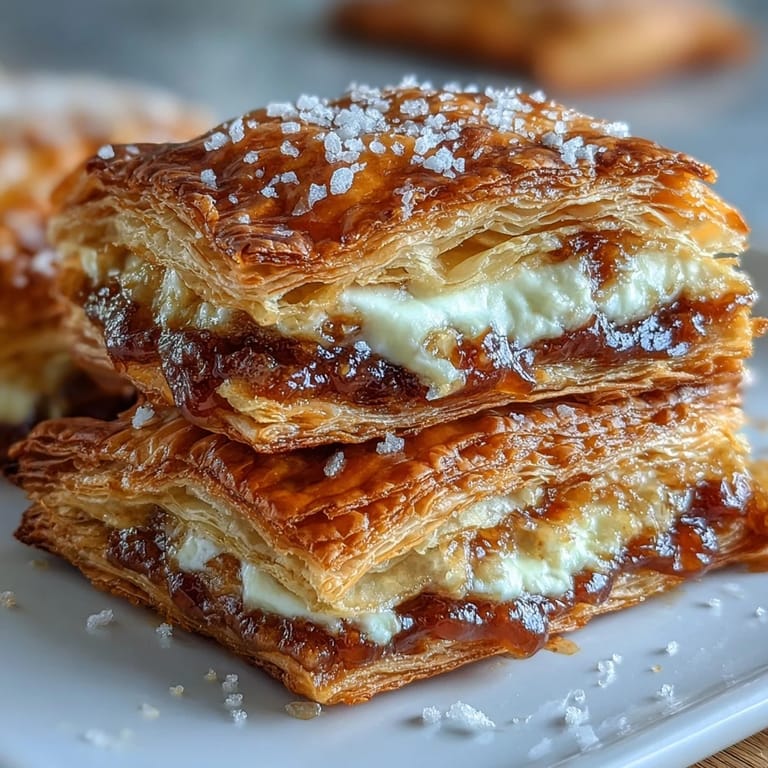
 My grandmother kept a tin of guava paste in her kitchen cabinet like it was liquid gold, and I didn't understand why until the morning she woke me early to help make pastelitos. The kitchen smelled like butter and caramel before the sun came up, and she showed me how to spread that deep pink paste onto squares of puff pastry with the precision of someone who'd done it a thousand times. What struck me wasn't just how good they tasted warm from the oven, but how she smiled when I bit into one, like she'd just handed me a piece of her own history.
I made these for a friend who'd been going through a rough month, and watching her face light up when she bit into one was worth every minute of prep. She actually closed her eyes, and I realized in that moment that food really does carry something beyond just taste, something that says you were thinking of someone.
Ingredients
- Puff pastry sheets, about 400 g: This is your foundation, and thawing it properly (usually 30 minutes at room temperature) makes all the difference between pastries that puff beautifully and ones that stay stubbornly flat.
- Guava paste, 150 g: This is the soul of the whole thing, so grab the good stuff if you can, not the overly processed version that tastes like artificial sweetness.
- Cream cheese, 100 g softened: The softening step matters more than you'd think because it spreads like a dream and balances the sweetness of the guava with its subtle tang.
- Egg, beaten: This gives you that gorgeous golden sheen that makes people think you're a professional baker.
- Granulated sugar, 1 tbsp optional: A light sprinkle adds a little sparkle and extra crunch if you're feeling fancy, though it's completely optional.
Tired of Takeout? 🥡
Get 10 meals you can make faster than delivery arrives. Seriously.
One email. No spam. Unsubscribe anytime.
Instructions
- Set your stage:
- Preheat your oven to 200°C (400°F) and line your baking sheet with parchment paper so nothing sticks and cleanup feels easy.
- Unwrap and cut:
- Roll out the thawed puff pastry on a lightly floured surface, then cut each sheet into 8 equal rectangles, giving you 16 total pieces to work with.
- Layer the bottom:
- Place half your rectangles on the prepared baking sheet, leaving a little space between each one so they have room to puff.
- Build your filling:
- On each base rectangle, lay down a thin slice of guava paste and about a tablespoon of softened cream cheese, staying at least half an inch from the edges so they seal properly.
- Seal the deal:
- Brush the bare edges with water, then top each one with another pastry rectangle and press down gently to seal, like you're tucking them in.
- Create definition:
- Use a fork to crimp the edges (it looks beautiful and ensures they stay sealed), then score the tops lightly with a knife to let steam escape during baking.
- Give them shine:
- Brush the beaten egg over the tops and sprinkle with sugar if you want that extra something special, then slide them into the oven.
- Watch them transform:
- Bake for 18 to 20 minutes until they're puffed and golden brown, which happens faster than you'd expect.
- Rest and enjoy:
- Let them cool for just a few minutes before serving warm, though they're also delicious at room temperature.
 Save to Pinterest
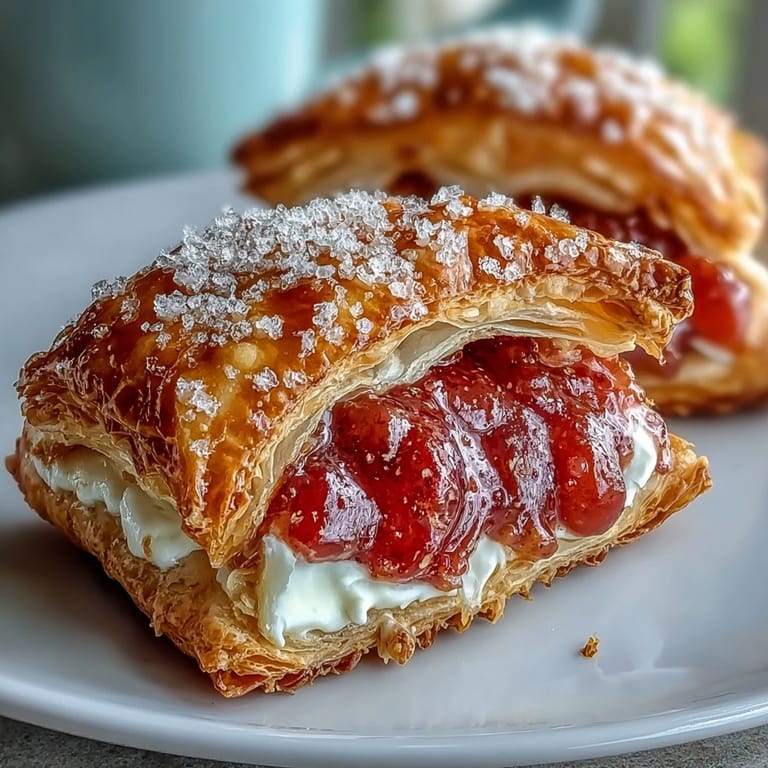
 There's something almost ceremonial about pulling these out of the oven and watching them puff up on the baking sheet, golden and impossible-looking. My roommate once said they look like edible treasure, and she wasn't wrong.
The Guava Paste Question
Guava paste might seem intimidating if you've never worked with it, but it's honestly one of the most forgiving ingredients you can use. You'll find it in the Latin foods section of most grocery stores, usually sold in blocks or as a filling that's already sliced thin. The key is cutting it into thin, even slices so it distributes properly without overwhelming the cream cheese, and trust me, once you taste how the sweetness and tang work together, you'll start finding reasons to use it in other things too.
When to Serve and Storing Wisdom
These taste best within a couple hours of baking when the pastry is still snappy and the filling hasn't lost its contrast with the outer layers. If you're making them ahead, you can actually assemble them completely and pop them in the fridge for up to 24 hours, then bake when ready, which is incredibly helpful for company. They also keep well in an airtight container for a day or two, though the pastry softens slightly.
Making Them Your Own
The beauty of this recipe is that it's a canvas for your own twists while still honoring the original. Some people swap the guava for quince paste or even a thin layer of dulce de leche mixed with the cream cheese, and honestly, they all work beautifully. The ratio of filling to pastry is already balanced perfectly, so you're not fighting the recipe when you experiment.
- Try a tiny pinch of cinnamon sprinkled over the filling for a subtly spiced version that feels grown-up and warm.
- If you want them extra impressive, brush them with a simple glaze after baking instead of the sugar topping.
- Low-fat cream cheese works fine if that's what you have, though the full-fat version gives a slightly richer taste you'll notice.
 Save to Pinterest
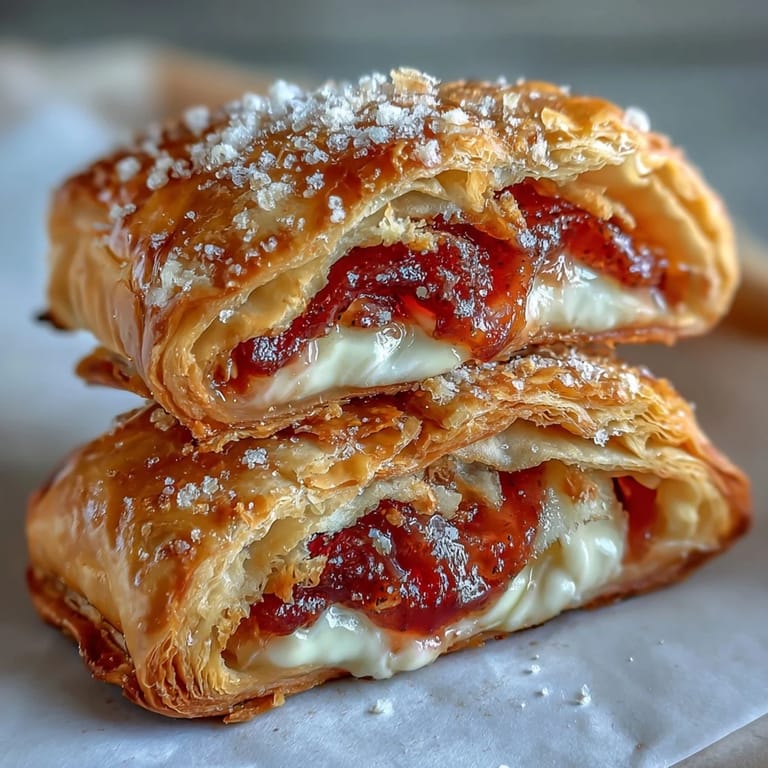
 Every time I make these, I think of my grandmother's kitchen and that early morning when she showed me her small magic. Now I make them for people I care about, passing along not just a recipe but that same quiet joy of making something beautiful with your hands.
Recipe FAQs
- → Can I make pastelitos ahead of time?
Yes, you can assemble the pastelitos and refrigerate them for up to 24 hours before baking. Brush with egg wash just before popping them in the oven. For longer storage, freeze unbaked pastries on a baking sheet, then transfer to a freezer bag—bake from frozen, adding a few extra minutes.
- → What's the best way to seal the pastry edges?
After placing the filling, lightly brush the edges with water before topping with the second pastry rectangle. Press firmly around all edges, then use a fork to crimp and create a tight seal. This prevents the delicious filling from leaking during baking.
- → Can I use fresh guava instead of paste?
Guava paste works best because it's concentrated and holds its shape during baking without making the pastry soggy. Fresh guava would release too much liquid. If unavailable, quince paste makes an excellent substitute with similar texture and sweetness profile.
- → Why do I need to score the pastry tops?
Scoring the tops with a sharp knife creates small steam vents, allowing hot air to escape during baking. This prevents the pastelitos from puffing up too much or bursting at the seams, ensuring they maintain their rectangular shape and attractive appearance.
- → How do I know when pastelitos are done baking?
Perfectly baked pastelitos should be deep golden brown on top and bottom, with visibly flaky layers. The pastry should feel light and puffy when gently pressed. If the tops brown too quickly, tent with foil for the last few minutes of baking time.
- → What's the traditional way to serve pastelitos?
Traditional Cuban cafés serve pastelitos warm or at room temperature alongside a strong, sweet Cuban coffee (cafecito). The pastries' sweetness balances perfectly with the bold coffee. They're also delicious with a splash of condensed milk in your coffee for an authentic Cuban breakfast experience.