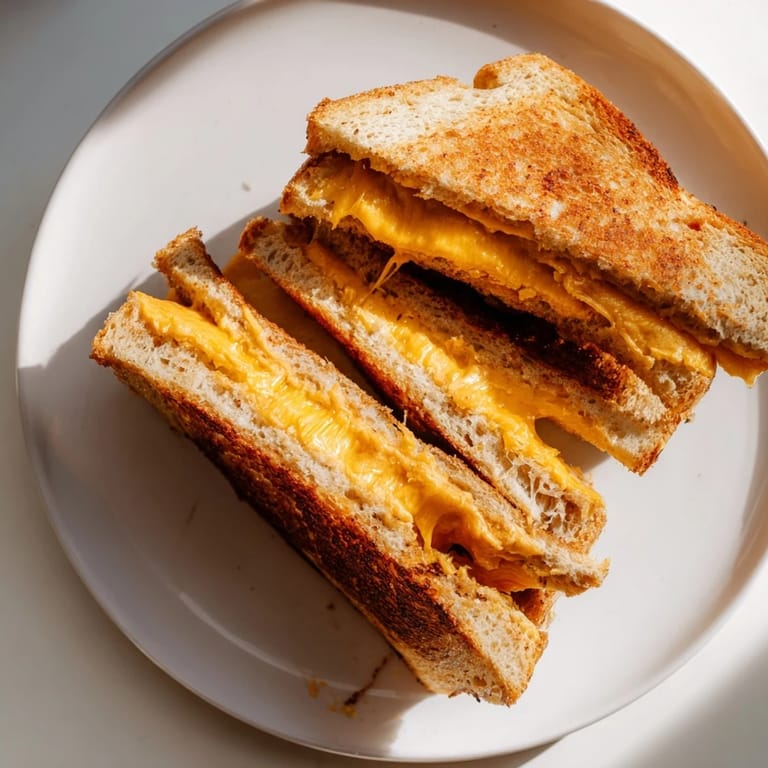
 Save to Pinterest
 There's something about the sound of bread hitting hot butter that makes you feel like you're actually cooking, but the first time I tried mayo instead, I nearly threw away the whole idea. My roommate had eaten my butter stick, and I was standing there at 11 PM staring at a jar of mayo, suddenly remembering someone mention it browns bread better than anything else. I was skeptical, but desperate times call for curious decisions, and twenty minutes later I was biting into the most ridiculously perfect grilled cheese I'd ever made.
I made this for my friend Marcus on a rainy Tuesday afternoon when he showed up completely exhausted from a bad day at work. He took one bite and just closed his eyes, and I watched his whole mood shift in real time. That's when I knew this wasn't just a sandwich anymore—it was the kind of small thing that reminds people they're cared for.
Ingredients
- White or sourdough bread (4 slices): Sourdough has more flavor and a sturdier structure, but white bread gets crispier and stays soft inside if that's your preference.
- Cheddar cheese (4 slices): Use something that melts smoothly, not one that gets stringy and tough—a mid-range cheddar works better than ultra-sharp here.
- Mayonnaise (2½ tablespoons): This is the secret weapon, and it needs to be real mayo, not the light stuff that won't brown properly.
- Dijon mustard (2 teaspoons, optional): A tiny bit adds complexity without overwhelming anything, kind of like a whisper in the background.
Tired of Takeout? 🥡
Get 10 meals you can make faster than delivery arrives. Seriously.
One email. No spam. Unsubscribe anytime.
Instructions
- Prep your bread and spread:
- Lay all four slices out where you can see them, then spread mayo on one side of each slice with a butter knife, using just enough to coat evenly. If you're using mustard, dab it on the opposite side of two slices.
- Build your sandwiches:
- Lay two slices cheese-side-up between each pair of bread slices, mayo-facing-out on both sides, so the mayo does all the browning work.
- Heat the skillet gently:
- Medium-low heat is your friend here—it gives the mayo time to brown and the cheese to melt without the bread going dark and bitter before the inside is ready.
- Cook the first side:
- Place both sandwiches mayo-side-down and listen for that quiet sizzle, not a loud aggressive hiss. Let them sit undisturbed for 3 to 4 minutes until you see golden-brown edges creeping up the sides.
- Flip with confidence:
- Flip them over and apply gentle pressure with your spatula, letting the second side catch that same golden color for another 3 to 4 minutes while the cheese softens inside.
- Rest and serve:
- Let them sit for just one minute out of the pan so everything settles, then slice diagonally and eat while the cheese is still flowing.
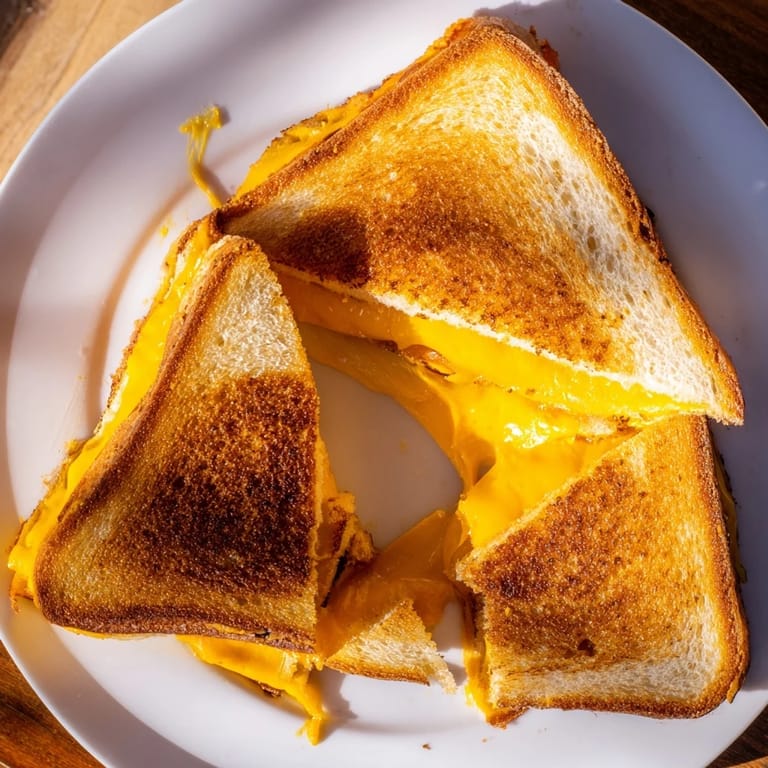 Save to Pinterest
 My mom actually called me the day after I told her about this technique and admitted she'd been doing it this way her whole life but was too embarrassed to tell anyone because it sounded weird. We laughed about all the unnecessary butter we'd used over the years when this was sitting in our fridges the whole time.
Why Mayo Works Better Than You'd Expect
Mayo contains emulsified oil and egg, which means it browns at a lower temperature than butter and creates a more uniform, delicate crust that actually stays crispy longer. The fat coats the bread more evenly, so you don't get those sad pale spots or burnt corners. It sounds counterintuitive until you taste it, and then it becomes the only way you'll want to make grilled cheese ever again.
Cheese Selection Makes a Real Difference
I've learned the hard way that not all cheese melts the same way or contributes the same flavor. Cheddar is reliable and forgiving, but honestly, Monterey Jack melts so smoothly it's almost unfair, and Gruyère brings this nutty sophistication if you're feeling fancy on a random Thursday night. Mozzarella works too but can get a bit one-note, so I usually mix it with something that has more personality.
Variations That Actually Work
This sandwich is a canvas if you want it to be, and I've tested enough additions to know what lands. Crispy bacon adds texture, thin tomato slices bring acidity that cuts through the richness, and caramelized onions turn a simple lunch into something you'd actually order at a restaurant. A tiny pinch of red pepper flakes is subtle but changes everything, and if you have fresh arugula, it wilts right into this warm cloud of cheese and becomes something greater than the sum of its parts.
- Tomato soup is the classic pairing, but creamy tomato bisque feels more indulgent on cold nights.
- A quick pickle or some pickled red onions add brightness that pulls the whole dish together.
- Serve immediately while the cheese is still soft enough to stretch, or it all solidifies into regret.
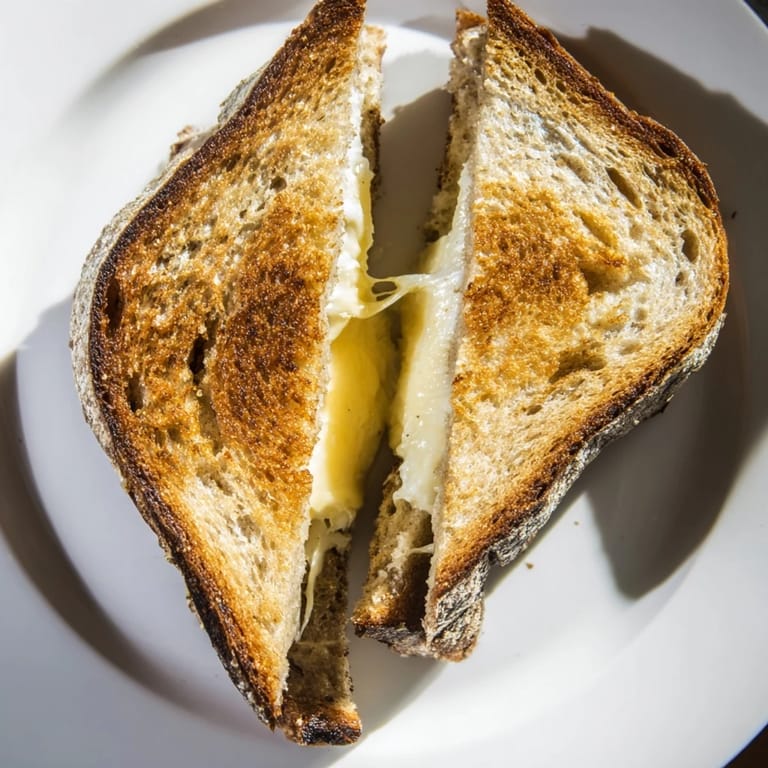 Save to Pinterest
 This sandwich taught me that sometimes the smallest shift in technique—swapping one ingredient for another—can completely change how you feel about a dish you've made a hundred times before. It's the kind of thing that sticks with you.