 Save to Pinterest
 There was a Tuesday night when I had half a can of black beans rolling around in my fridge, a couple of sweet potatoes getting soft on the counter, and absolutely no plan for dinner. I started chopping, and something about the smell of cumin hitting hot oil told me this was going to work. By the time I squeezed that lime over the top, my kitchen smelled like a Southwestern dream, and my roommate emerged from the other room asking what magic was happening.
I made this for my sister when she was going through one of those seasons where everything felt overwhelming, and watching her face light up at that first spoonful reminded me why cooking for people matters. Soup has this way of saying I'm thinking of you without being sappy about it.
Ingredients
- Olive oil (2 tablespoons): This is your foundation—don't skip it or cheap out, because good oil carries flavor through the entire pot and makes your aromatics sing.
- Yellow onion (1 medium, diced): The sweet onions are your friend here; they caramelize slightly and create a savory base that grounds all those spices.
- Garlic (2 cloves, minced): Mince it fine so it disappears into the soup and flavors everything evenly instead of leaving you with garlic chunks.
- Red bell pepper (1 medium, diced): The color matters visually, but also it brings a gentle sweetness that plays beautifully against the smoky spices.
- Sweet potatoes (2 medium, peeled and diced, about 3 cups): Cut them roughly the same size so they cook evenly; smaller pieces disappear into creaminess, larger ones stay distinct.
- Black beans (2 cans, drained and rinsed): Rinsing them removes the starchy liquid and prevents the soup from becoming gluey—this step actually matters.
- Vegetable broth (4 cups): Use good quality broth here; it's the backbone, and a flat or overly salty one will show up in every spoonful.
- Diced tomatoes (1 can, 14.5 oz, with juices): The acidity brightens everything and the juices add body without needing cream.
- Smoked paprika (1 teaspoon): This is where the soul of the soup lives—it's the smoky whisper that makes people ask what you did differently.
- Ground cumin (1 teaspoon): Cumin has this warm earthiness that feels like coming home; toast it in the spices step and you'll taste the difference.
- Chili powder (1/2 teaspoon): A light hand here keeps things balanced; you can always add more but you can't take it back.
- Dried oregano (1/2 teaspoon): Don't sleep on oregano in soup; it adds an herbal depth that ties everything together.
- Cayenne pepper (1/4 teaspoon, optional): Keep this in your back pocket for when you want a slow burn that builds heat without overwhelming.
- Salt (1 teaspoon) and black pepper (1/2 teaspoon): Taste constantly and adjust; your broth might already have salt, so you're more of a seasoning balancer than a rule follower here.
- Sour cream or Greek yogurt (1/2 cup): The crema is essential—it's bright, tangy, and the cooling contrast that makes the soup feel complete.
- Lime (1, for zest and juice): Use a microplane for zest so it's feathery and distributes perfectly; fresh lime juice changes everything about this dish.
Tired of Takeout? 🥡
Get 10 meals you can make faster than delivery arrives. Seriously.
One email. No spam. Unsubscribe anytime.
Instructions
- Build your flavor base:
- Heat olive oil in your pot over medium heat until it shimmers, then add onion and let it soften for about four minutes—you want it almost translucent and starting to smell sweet. Stir in garlic and bell pepper, cooking another two minutes until the kitchen smells absolutely alive with possibility.
- Toast the spices:
- Add your diced sweet potatoes and all the dry spices at once, stirring constantly for about two minutes—this step sounds small but it's where the spices wake up and start releasing their real flavors into the oil. You'll actually smell the difference between raw spice and toasted spice, and that's your signal that magic is happening.
- Build the body:
- Pour in your black beans, tomatoes with their juices, and vegetable broth, then bring everything to a boil before turning it down to a gentle simmer. Cover the pot and let it bubble quietly for twenty to twenty-five minutes, stirring occasionally, while the sweet potatoes get tender and the flavors start marrying together.
- Create the texture:
- This is where most people either pull out an immersion blender and go to town, or they carefully ladle about two cups into a regular blender for a smoother puree before stirring it back in—either way works, and the half-blended approach gives you soup that's creamy but still has personality and texture. You're not making a smooth situation; you're creating something that feels substantial in your mouth.
- Make the crema:
- While the soup is doing its final simmer, whisk together sour cream, lime zest, lime juice, and a tiny pinch of salt in a small bowl until it's smooth and practically glowing from the lime. This takes two minutes and transforms the entire experience.
- Taste, adjust, and serve:
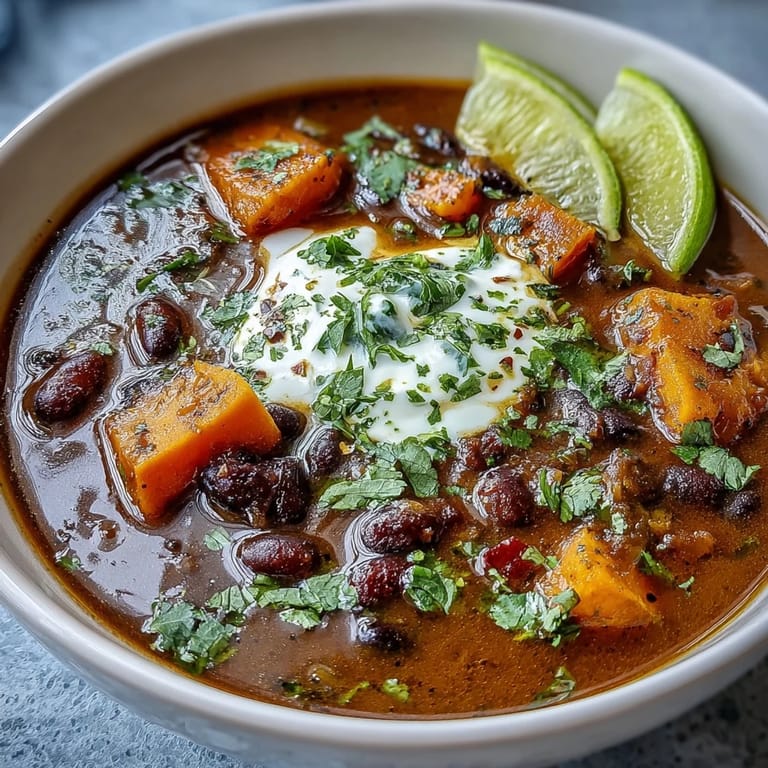
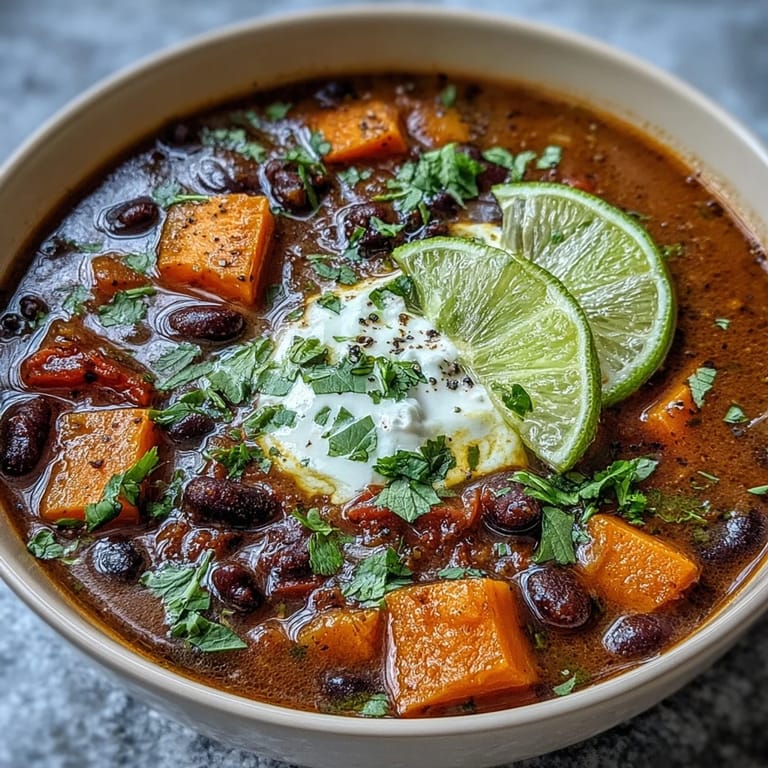
- Give the soup a taste and be honest about whether it needs more salt, more heat, more lime—this is your moment to make it personal. Ladle it into bowls, top each with a generous dollop of lime crema, and add whatever garnishes you've got or feel like including.
 Save to Pinterest
 I served this soup at a small dinner party once, and watching four different people try to figure out why they couldn't stop eating it—circling back to the bowl, asking for the recipe, wondering aloud if they could make this at home—taught me that the simplest dishes are sometimes the ones that hit the deepest. There's something about warmth and brightness together that just works.
Why This Soup Became a Regular
After the third time I made this, I realized I wasn't following the recipe anymore; I was cooking it from muscle memory and instinct. The measurements became suggestions, and the improvisation started happening naturally—a handful of spinach here, some corn there, sometimes an extra squeeze of lime because I was feeling it that night. That's when I knew it had become part of my cooking vocabulary, not just something I followed instructions for.
The Lime Crema Difference
Most soups don't need a special topping, but this one actually demands it—the lime crema isn't fancy or complicated, but it completely changes how your palate experiences the soup. That tangy, bright element is what keeps the soup from feeling heavy, and it gives you this moment where the flavors shift and suddenly everything feels balanced and intentional. It's the difference between a good soup and a soup that makes people ask for your number.
Variations and Personal Touches
The beauty of this recipe is that it's flexible without losing its identity—I've added corn kernels, wilted spinach, roasted chickpeas, even some crispy chorizo for days when I wanted to push it in a different direction. The core structure stays the same, but you get to write the ending, and that's honestly the most fun part of cooking.
- Roast your sweet potatoes first if you want a deeper caramelized flavor and more texture contrast in the soup.
- Make the crema ahead of time; it actually gets better as the lime juice and zest meld together in the fridge.
- Serve with warmed tortillas or crusty bread if you want something to anchor the soup and make it feel like a full meal.
 Save to Pinterest
 This soup reminds me that the best meals are the ones that feel effortless but intentional, and that sometimes the smallest details—like a good squeeze of lime or a moment spent toasting spices properly—are what transform something ordinary into something memorable. Make it, share it, and watch it become part of someone's kitchen story too.
Recipe FAQs
- → How can I add heat to this soup without overwhelming it?
Incorporate cayenne pepper sparingly and garnish with sliced jalapeños to control the spice level, allowing warm, smoky flavors to balance heat.
- → What is the best way to achieve a creamy but chunky texture?
Partially puree the soup using an immersion blender or countertop blender, leaving some chunks for body and varied mouthfeel.
- → Can I prepare the lime crema in advance?
Yes, whisk the lime zest, juice, and sour cream or yogurt ahead and refrigerate; add a pinch of salt just before serving for freshness.
- → What substitutes work well for sour cream in the crema?
A plant-based yogurt or cashew cream can replace sour cream for dairy-free or vegan options, maintaining tanginess and creaminess.
- → Which additional vegetables complement this dish?
Corn kernels or fresh spinach added during simmering enhance sweetness and texture without overpowering the smoky, savory base.